
PFAS levels are rising in dolphins and whales worldwide
A global review found higher forever chemical burdens in cetaceans since 2000, with Pacific animals and humpback dolphins showing the highest levels.
By Tom Brennan · Health & Medicine Correspondent
3 min read
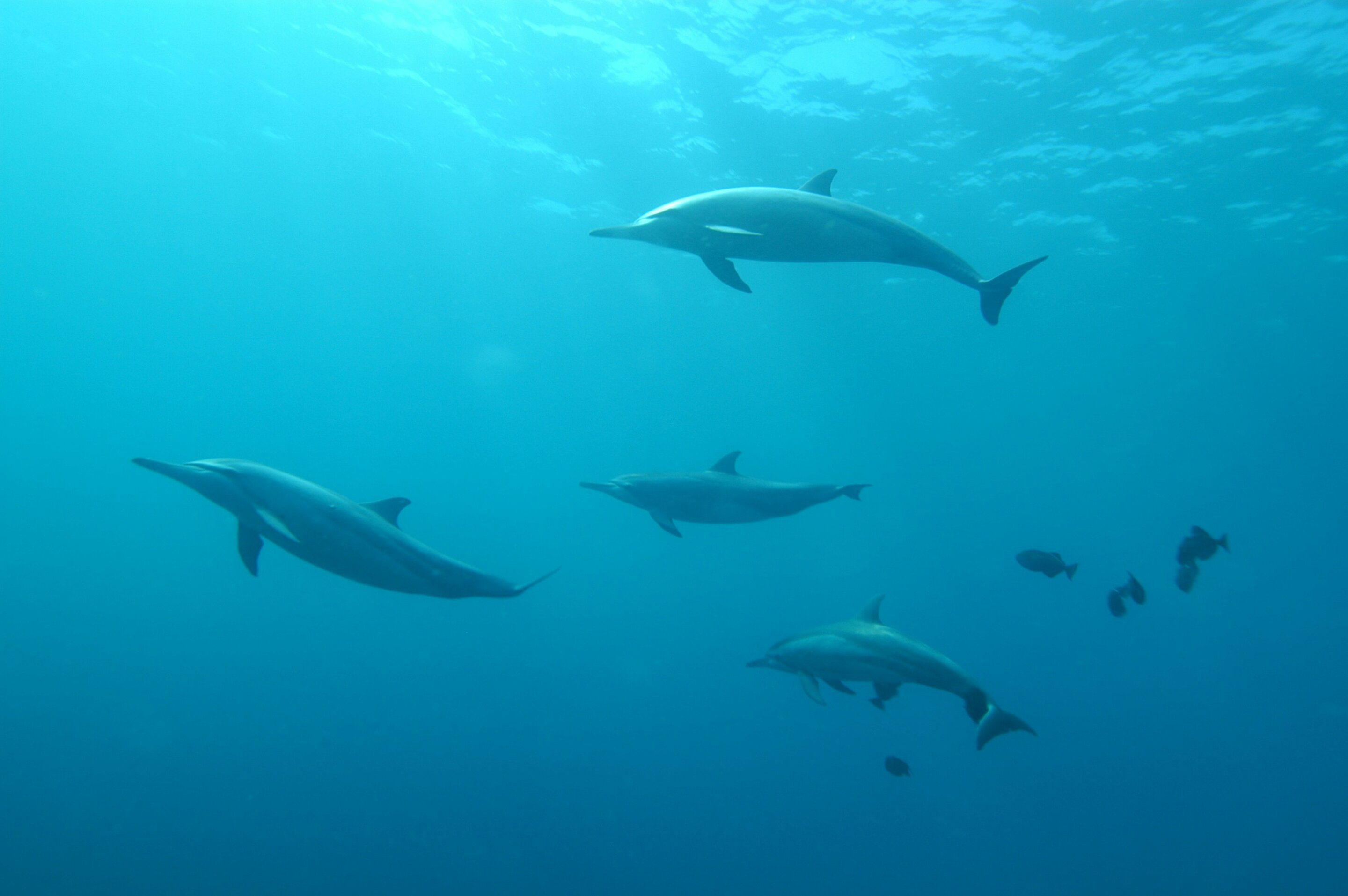
PFAS contamination in whales, dolphins and porpoises has increased worldwide since 2000, according to new research by Katharina J. Peters, Frédérik Saltré and Karen Stockin. The findings matter because cetaceans sit near the top of marine food webs, so pollution in their bodies can point to broader problems in ocean ecosystems.
The researchers, writing in The Conversation about their study in Marine Pollution Bulletin, said animals in the Pacific Ocean showed the highest contamination among the regions examined. Humpback dolphins recorded the highest PFAS concentrations among the cetaceans included in the analysis.
PFAS, short for per- and polyfluoroalkyl substances, are a family of more than 1,400 compounds used in products including nonstick cookware, waterproof clothing and stain-resistant carpets, according to the researchers. They can enter the environment through manufacturing waste, industrial runoff, wastewater treatment plants and firefighting foams.
Once released, the chemicals can move from rivers and waterways into the sea, the researchers said. Small organisms can absorb them from water, fish can consume those organisms, and larger predators can then take in greater chemical loads through their prey.
That process leaves whales and dolphins exposed even when they live far from obvious pollution sources, according to the researchers. They described cetaceans as useful indicators of ocean health because many species live for years, travel widely and accumulate contaminants over time.
How researchers tracked contamination
The team compiled PFAS measurements from cetaceans around the world and focused on liver samples, which were the most commonly available tissue type across studies. The liver is also one of the organs where many PFAS compounds tend to collect, according to the researchers.
Testing wild whales and dolphins is difficult because blood sampling is often impractical, especially for large animals at sea. Scientists therefore often use tissue from dead animals, including liver and kidney samples, and analyze it in laboratories able to detect very small amounts of specific PFAS compounds.
The review found contamination varied by species, region, sex, age and time, according to the researchers. Coastal dolphins and porpoises tended to carry higher concentrations, a pattern the team linked to greater exposure near urban and industrial areas.
Pacific cetaceans had higher PFAS levels than those in other oceans, which the researchers said may reflect heavy industrial activity and past PFAS production along coastal regions. They also noted major gaps in available data for cetaceans off India, Indonesia and parts of Africa.
Health questions remain
Scientists have raised concern about PFAS because the compounds can persist for decades and accumulate in people, wildlife and the wider environment, according to the researchers. Studies in humans and laboratory animals have linked PFAS exposure to immune suppression, hormonal changes, reproductive problems and developmental effects, though the researchers said more work is needed to understand risks from different compounds and exposure levels.
Evidence in marine mammals is harder to build because whales and dolphins are long-lived, mobile and face many pressures at once, including climate change, noise and other pollutants. Some dolphin studies have reported changes in immune-related markers associated with PFAS exposure, according to the researchers.
The team said sex differences also appear in the data. Female cetaceans can pass PFAS to their young during pregnancy and nursing, while males often retain higher levels because they do not transfer the chemicals to offspring.
The researchers called for continued monitoring, stronger rules and reduced PFAS releases into the environment. They said lower levels of some older PFAS compounds in the Mediterranean may reflect European Union restrictions that began about 20 years ago, though global levels in whales and dolphins have continued to rise over time.
This story draws on original reporting from Phys.org.