
Lamarckism evolution theory gains new attention from biologists
Biologist Pim Edelaar says inherited acquired traits may help explain evolutionary cases that standard Darwinian selection does not.
By Lucas Ferreira · Science & Environment Writer
3 min read
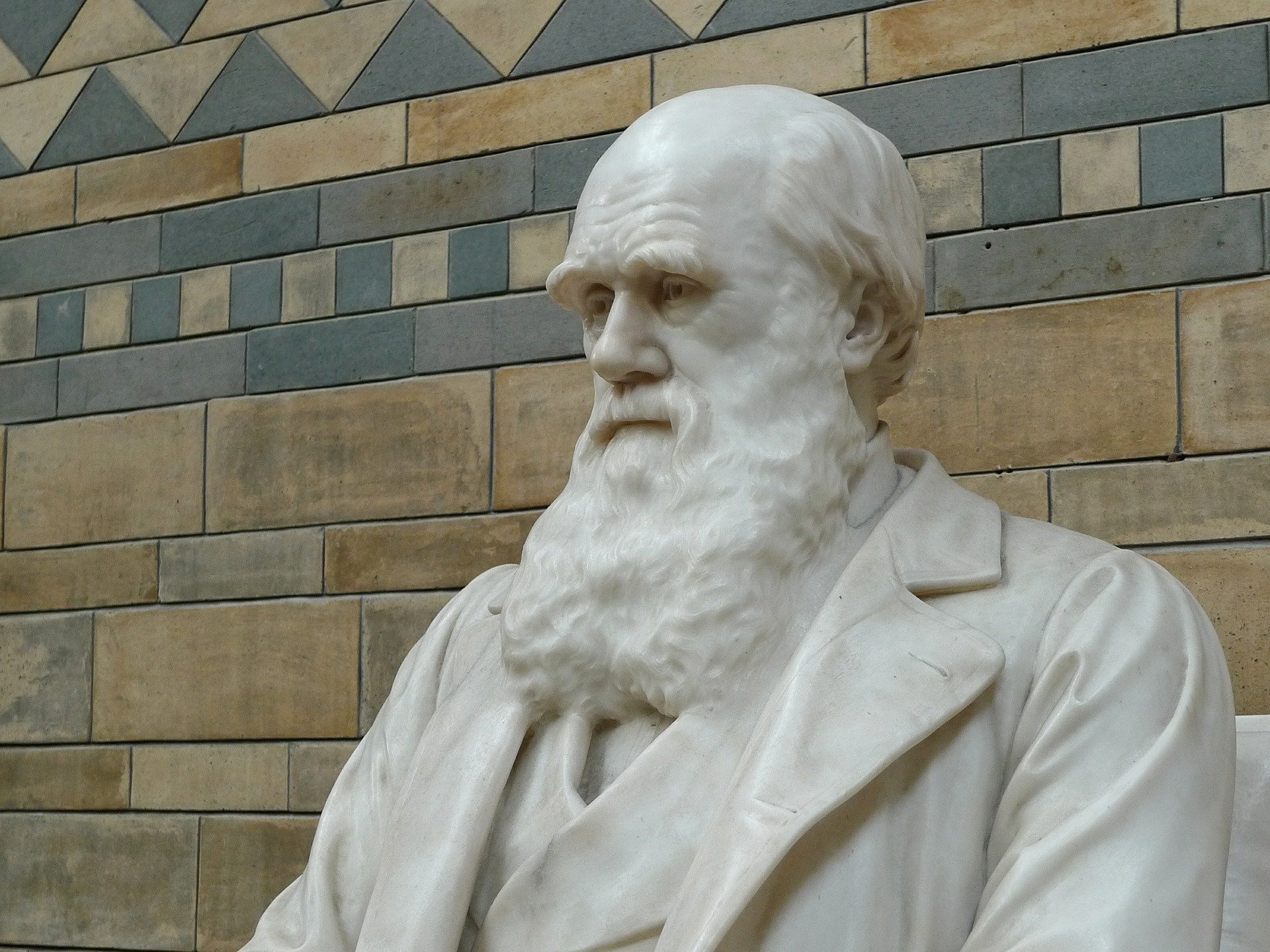
Lamarckism evolution theory is getting renewed attention because some studies suggest organisms can pass certain acquired traits to later generations, biologist Pim Edelaar wrote in The Conversation. Edelaar argues that this does not overturn Darwin’s natural selection, but may broaden how scientists explain evolutionary change.
Lamarckism is named for Jean-Baptiste Lamarck, who proposed in 1809 that organisms could acquire useful characteristics during life and transmit them to offspring. Charles Darwin later offered a different mechanism: natural selection, in which inherited differences help some individuals survive and reproduce more successfully than others.
For much of the 20th century, Lamarck’s idea was treated as discredited. Edelaar points to August Weismann’s 1904 rat experiment, in which tail removal across generations did not produce tailless offspring, as a reason biology textbooks long presented Lamarckism as refuted.
What is Lamarckism in evolution?
Lamarckism is the idea that changes an organism gains during its lifetime can, in some cases, be inherited by its descendants. In modern biology, Edelaar writes, this can include epigenetic effects or learned behaviors rather than the simple body changes Lamarck’s critics once tested.
One example Edelaar gives is the worm C. elegans. When adult worms face viral or bacterial infection, starvation or stressful temperatures, research cited by Edelaar indicates they can adjust their gene activity using small RNA molecules, and proteins can carry some of those molecules into eggs so offspring begin life with a related advantage.
That kind of inheritance had long been assumed to be wiped clean during reproduction, Edelaar wrote. He says the worm findings show that some acquired responses can persist across generations, making them Lamarckian in effect.
Edelaar also cites research on rice plants exposed to cold. According to the studies he describes, the plants can add chemical tags to genes and develop durable cold resistance, a process linked to their movement northward from tropical origins.
Behavior can matter as well, Edelaar argues. He points to killer whale mothers that learn to hunt different prey, such as seals instead of salmon, and whose offspring copy that strategy. He says that stable cultural inheritance may have contributed to the emergence of different killer whale species.
How could Lamarckism and Darwinism fit together?
Edelaar’s argument is that natural selection and Lamarckian inheritance can work in the same evolutionary system. Natural selection still favors traits that improve survival and reproduction, while Lamarckian processes may help organisms generate or transmit useful traits in response to their conditions.
In his book, The Selective Organism: an Expanded Theory of Adaptive Evolution, Edelaar writes that the ability to pass acquired beneficial traits to offspring would itself be favored by natural selection. On that view, Darwinian evolution can help explain why Lamarckian inheritance mechanisms evolve.
The practical stakes could be broad, Edelaar says. If stress exposure in parents can benefit offspring, researchers may find new approaches in crop breeding, conservation and health prevention.
He cites Australian coral work as one example, where scientists are exposing coral to heat stress in laboratories to trigger epigenetic responses that may make offspring more resistant to heat waves. Edelaar also raises the possibility that parental behavior affecting obesity or addiction risk could make prevention programs relevant to future generations as well as current patients.
This story draws on original reporting from Phys.org.