
How healthier farm animals cut emissions depends on herd size
Preventing disease can lower methane per litre of milk or kilogram of meat, but total livestock emissions can still rise.
By Lucas Ferreira · Science & Environment Writer
3 min read
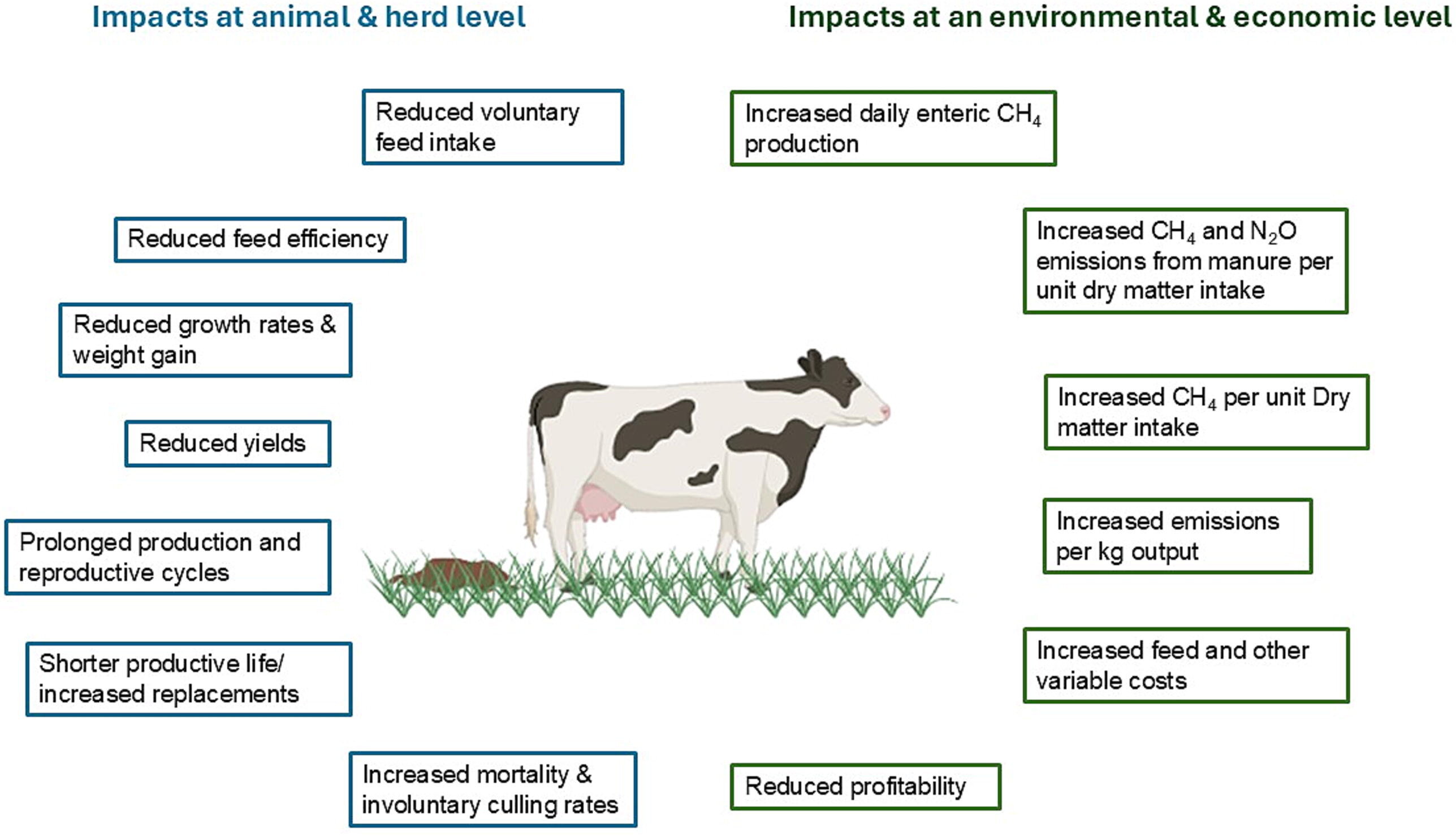
How healthier farm animals cut emissions comes down to avoiding losses that use feed, land, water and generate methane without producing the expected milk or meat. Research summarized by The Conversation says disease prevention can improve animals’ growth, fertility and survival, lowering emissions attached to each litre of milk or kilogram of meat.
That distinction matters because a lower footprint per unit of food, known as emissions intensity, does not necessarily mean fewer greenhouse gases overall. Whether better animal health cuts total emissions depends in part on what happens to herd size and total production.
How do healthier farm animals cut emissions?
Cattle and other ruminants produce enteric methane as microbes digest food in their stomachs; most of that methane is exhaled, according to The Conversation. When an animal falls sick, miscarries or dies early, the emissions and resources already used are spread over less food, and farmers may need replacement animals to maintain output.
Keeping animals healthy can therefore produce more milk or meat from inputs already in use. A 2017 peer-reviewed review in Animal classed improvements in health and welfare as measures that reduce emissions intensity, rather than measures that directly suppress methane production in the rumen. The review said climate measures also need to be assessed for their effects on animal welfare.
Why can total methane still increase?
Modelling from northern Tanzania found that cattle miscarriage raised emissions per kilogram of milk by 4% in Indigenous cattle and by 15% in higher-yielding cattle, The Conversation reported. The result illustrates how reproductive losses can make a farm’s milk less emissions-efficient.
A second modelling example, from western Kenya, shows the limit of that efficiency measure. First-year mortality was 16% among local beef calves, with most diagnosed deaths linked to infection. Reducing mortality to 8% lowered estimated enteric methane per kilogram of beef by 3.2%, but total enteric methane rose because more calves survived and the herd produced more beef.
In practical terms, animal-health gains can reduce the emissions intensity of food while increasing absolute emissions unless production and herd management also limit the total methane released. The United Nations lists smaller herds with fewer, more productive animals, better feeding, manure management and land practices among the measures that can reduce food-system emissions.
What research is being done next?
The recently approved Halow, or Health Approaches for Lowering Livestock Emissions, initiative will compare health interventions across farming systems. The project aims to establish which measures work, their cost, who benefits, and whether they lower total emissions or only emissions per unit of food, according to The Conversation.
The evidence is still incomplete. The author reported that livestock greenhouse-gas studies often rely on estimates instead of direct measurements, use different assumptions, and are not yet consistent enough to put animal health confidently into climate policy. Animal health is one part of a broader livestock strategy, not a case for unrestricted expansion of animal numbers.
This story draws on original reporting from Phys.org.