
Gaming moms stress relief study finds benefits, with guilt as a barrier
An Australian pilot study found gaming helped mothers relax and feel less stressed, though parenting demands and guilt limited play.
By Priya Raghavan · Science Reporter
3 min read
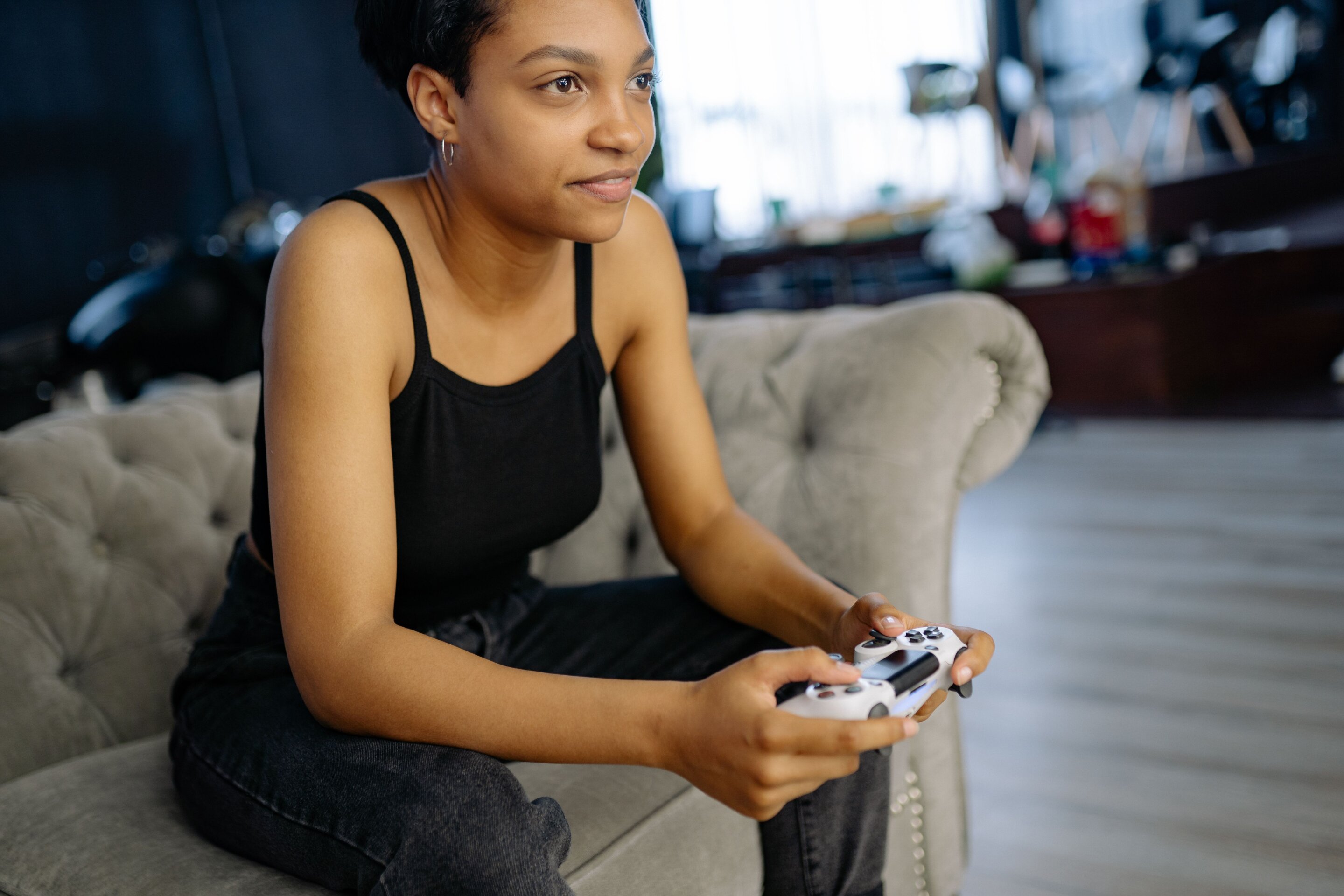
An Australian pilot study on gaming moms stress relief found that video games can help mothers recover from parenting stress, according to research published in Communication Research and Practice. The findings matter because mothers in the study used gaming not just for entertainment, but as a way to relax, detach from caregiving demands and regain a sense of competence.
Fae Heaselgrave and Ashlee Borgkvist wrote in The Conversation that their study surveyed 38 Australian mothers who identified as gamers. They said that, to their knowledge, it is the first study to examine the gaming experiences of parents in Australia.
The research comes in a country where gaming is common. The latest data cited by the authors show 74% of Australian households have at least two gaming devices.
Does gaming help moms with stress?
The study found that gaming supported mothers across three parts of a stress recovery framework: psychological detachment, relaxation and mastery. The framework is used in research to assess how leisure helps people recover from stress by looking at separation from demands, rest, skill-building and control over activities.
Solo play was especially important. The authors reported that 65% of mothers preferred playing alone, and 71% agreed that gaming improved their mental health. Playing without children present helped some mothers step away from caregiving roles and have time that felt their own.
Relaxation was the clearest benefit. According to the study, 89% of participants said gaming helped them relax, while 71% said they felt less stressed after playing.
The mothers did not fit a narrow stereotype of casual or domestic-themed play. The researchers said participants reported enjoying action-adventure, role-playing and simulation games, as well as titles including Pokémon, Minecraft, Mario Kart, Fallout 4 and Assassin’s Creed. About 80% played on PCs or consoles.
What kinds of games did mothers value?
Heaselgrave and Borgkvist said challenge and achievement were common reasons mothers played. Participants described satisfaction from difficult tasks, world-building, exploration and problem-solving.
The researchers said those accounts suggest gaming can create a sense of mastery. In stress recovery research, mastery refers to gaining skills or meeting challenges in ways that build competence and confidence.
That finding contrasts with assumptions that mothers are drawn mainly to lighter or more traditionally feminized games. The study instead found interest in complex stories, non-linear play and demanding game systems.
Why can gaming still be hard for mothers?
The study found weaker results in the fourth stress recovery area: control. Mothers’ ability to choose when and how they played was constrained by childcare, household duties, paid work and the presence of children.
Guilt also limited the benefits. The researchers said some mothers felt pressure to justify gaming because they believed other responsibilities should come first, including time with children or partners, housework, family organization and paid work.
Game design added another barrier. Participants said games that require long sessions, cannot be paused or do not allow flexible saving can be difficult to fit into parenting life. Some mothers needed games that could be stopped at short notice or played with limited input while caring for babies.
Heaselgrave and Borgkvist said the findings point to a broader shift in how parents are discussed in gaming research. Rather than seeing mothers only as supervisors of children’s gaming or co-players, they argued that mothers should also be understood as players with their own leisure and well-being needs.
The authors said developers could make games more accessible to parents by allowing more interruptions and player control. For mothers in the study, gaming functioned as a practical recovery tool, though social expectations and game design could still reduce its value.
This story draws on original reporting from Phys.org.