
Free-range egg emissions may rise in full organic shift, study finds
A UK egg-production study finds a 100% organic free-range shift could raise emissions by 60% and nearly double land use.
By Tom Brennan · Health & Medicine Correspondent
3 min read
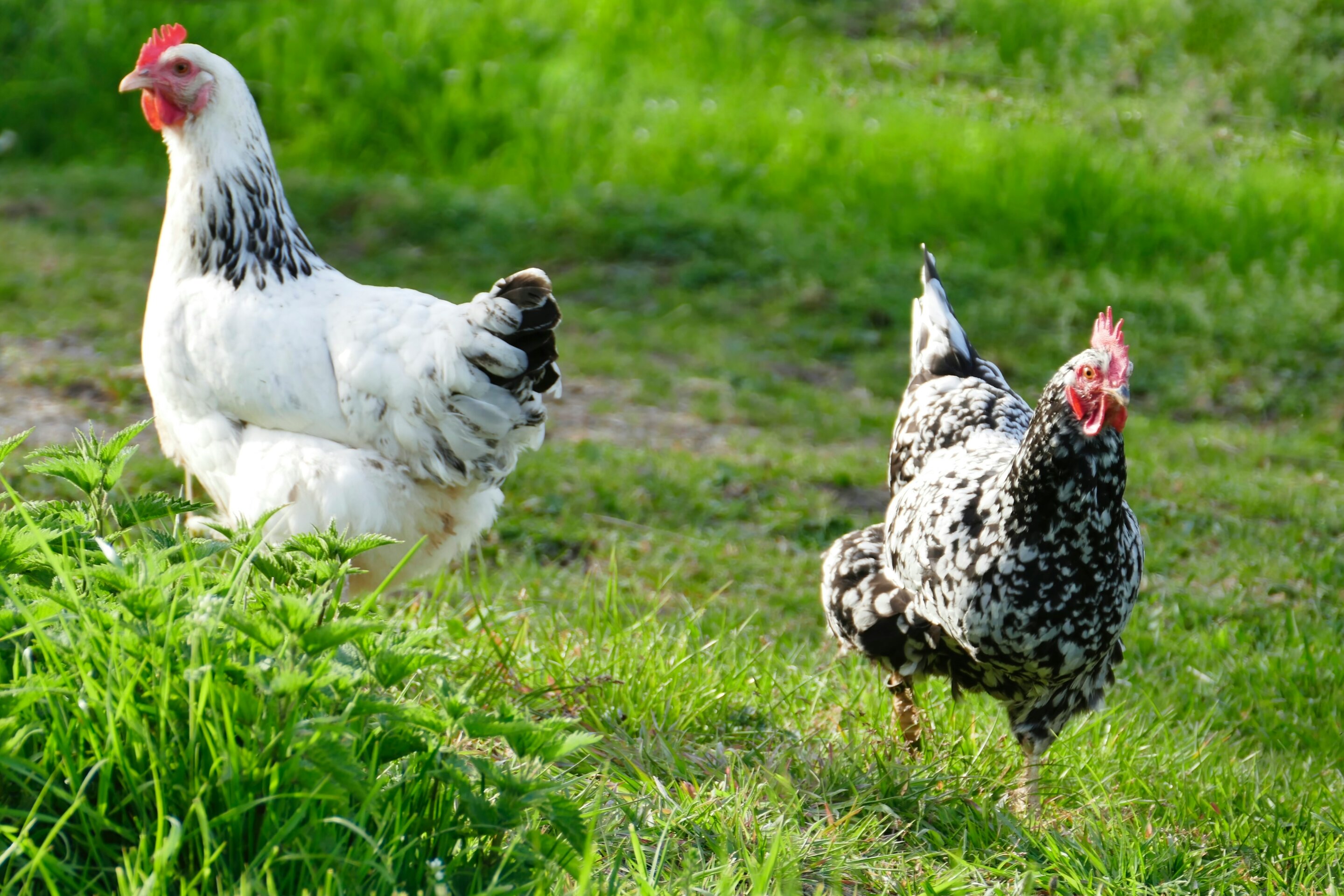
A full move to organic free-range egg production could increase free range egg emissions and put more pressure on land, according to a University of Oxford-led study published in Royal Society Open Science. The finding matters for governments, retailers and consumers weighing cage-free egg policies against climate and nature goals.
Using UK data, the researchers compared several egg-industry scenarios, including barn, free-range and organic systems, while keeping total egg output unchanged. They found that shifting from current production patterns to a system made entirely of free-range and organic production would raise greenhouse gas emissions by 60% and almost double land occupation.
The authors said cage-free systems may better reflect public concern about hen welfare, but can also require more birds and more resources to produce the same number of eggs. Dr. Harriet Bartlett, senior research associate at Oxford’s Smith School of Enterprise and the Environment, said the work shows animal welfare, environmental effects and food output need to be considered together when decisions are made about egg farming.
Do free-range eggs create more emissions?
According to the study, free-range and organic systems can have higher environmental impacts when birds need more feed per egg, productivity is lower or more hens are needed to maintain output. Feed production is a major part of the environmental footprint of eggs, so lower feed efficiency can raise emissions and land demand.
The authors said caged systems tend to have lower environmental impacts mainly because of higher feed efficiency and stronger production performance. They did not call for a return to caged-only farming, and said concerns about caged hens should not be dismissed.
Lead author Oliver Martinic, an independent researcher based in Croatia, said welfare-driven pressure to move away from cages addresses real concerns, but differences among production systems can create unintended effects. The paper says future cage-free systems would need better mortality rates, feed efficiency and farm management to reduce environmental costs.
What did the study say about hen welfare?
The researchers found a rise in mortality under scenarios with 100% free-range and organic production. They treated mortality as a welfare indicator because deaths can be measured across systems and because birds that die have used feed and other resources without contributing to egg production.
The authors also said mortality is only one measure of welfare. Free-range and organic systems may allow more natural behaviors, while also exposing birds to risks such as disease, predation, injuries and feather pecking, according to the study’s Q&A.
The study used production data collected in 2009 and 2010. The authors said this is a limitation and does not capture more recent changes in laying-hen production, but described the dataset as the most complete available for comparing UK housing systems at population level.
Why egg production is part of the climate debate
The paper places eggs within the wider environmental burden of food production. It says the global food supply chain accounts for 26% of human-caused greenhouse gas emissions, 78% of eutrophication and 32% of terrestrial acidification.
Eutrophication means excess nutrient enrichment in water, which can damage aquatic ecosystems. Terrestrial acidification refers to soil damage linked to pollution.
The authors said global egg production has quadrupled over the past 50 years, making the sector relevant to both welfare and environmental policy. Their conclusion was that no current production system performs best across all welfare and environmental measures, and that progress depends on improving animal performance and resource efficiency while maintaining or improving welfare.
This story draws on original reporting from Phys.org.