
Fake Jell-O diet shows how AI health claims can fool web users
Kathy Hilton tried an AI-generated diet after fake celebrity endorsements, The Conversation reported, highlighting risks from health misinformation.
By Tom Brennan · Health & Medicine Correspondent
3 min read
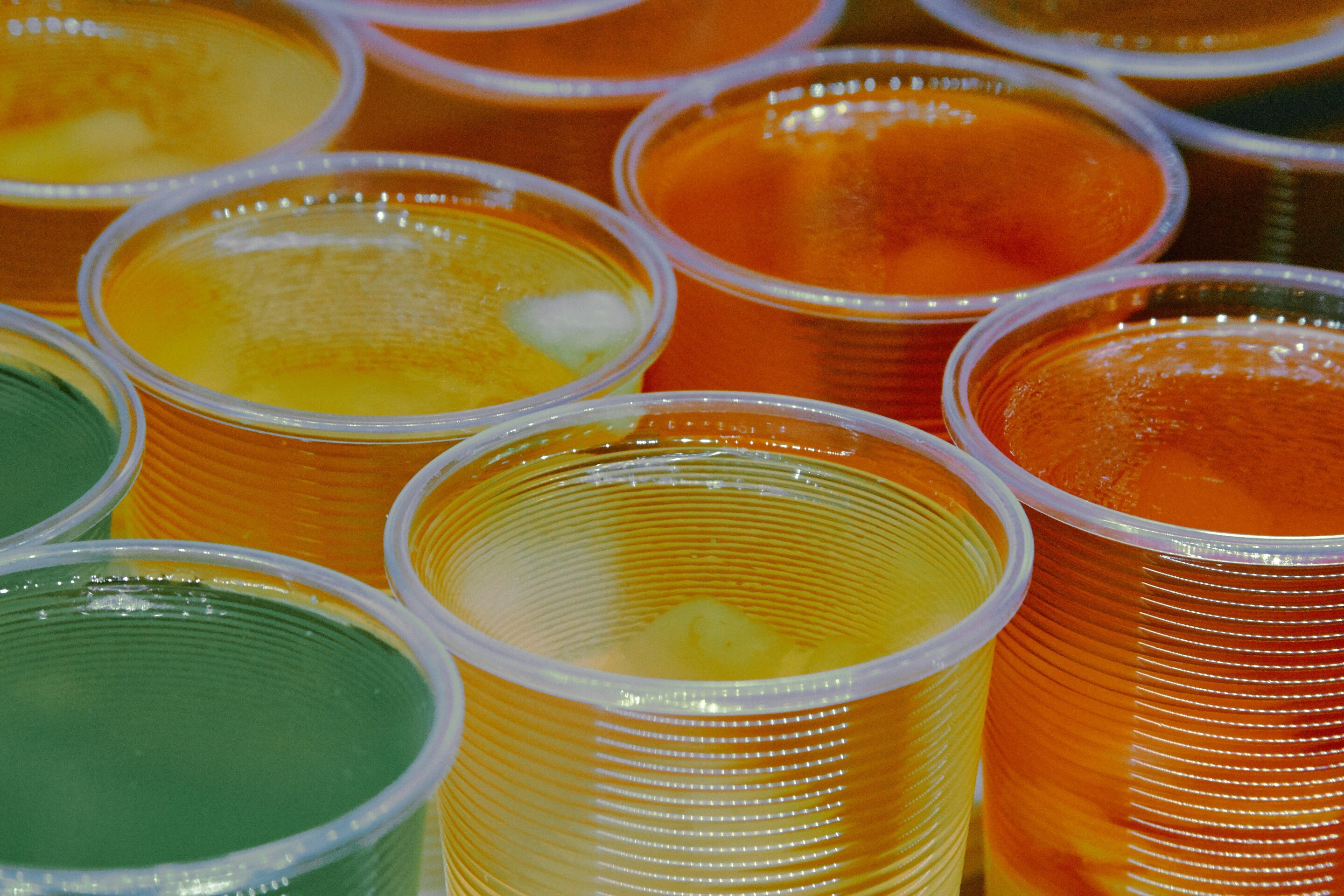
Kathy Hilton tried a fake Jell-O diet after believing AI-generated celebrity endorsements, according to researchers Holly Seale and Md Saiful Islam writing in The Conversation. The case matters because false health claims online can push people toward unsafe choices or away from proven medical advice.
The researchers said Hilton, the mother of Paris Hilton, believed the diet had been backed by Oprah Winfrey, Doctor Oz, Michelle Obama and Kelly Clarkson. According to The Conversation, the endorsements were not real, and the diet itself had been produced using artificial intelligence.
Seale and Islam used the episode to warn that misleading health information is not limited to fad diets. They cited online claims involving vaccines, statins and unapproved peptides as examples of health content that can mislead readers.
Is the Jell-O diet fake?
According to The Conversation, the Jell-O diet promoted to Hilton was fake, as were the celebrity endorsements attached to it. The researchers described it as part of a wider problem: health misinformation, meaning false, misleading, exaggerated or unsupported claims about disease, treatment or health.
Seale and Islam said health misinformation can delay medical care, discourage evidence-based treatment, raise preventable illness and weaken trust in health professionals. They noted that misleading claims may be shared deliberately or by people who believe they are helping.
Are older adults more vulnerable online?
The researchers said it is easy to assume older adults are uniquely vulnerable, especially because Hilton is 67. But they argued the evidence points to a broader problem that affects people across age groups.
Adults aged 60 and over are more likely than younger adults to encounter deceptive or low-quality health content online, particularly on Facebook, according to research cited by The Conversation. That content can include product promotions, unsourced medical claims and material that appears to have been generated by AI.
Seale and Islam said age-related decline does not explain the issue on its own. They cited research indicating older adults can distinguish true headlines from false ones, while also noting that many joined social media later in life and may have had fewer chances to build digital evaluation skills.
The researchers said people may be more likely to believe health misinformation if they distrust science, feel anxious or worried, follow conspiracy theories, or hold certain religious or political views. Repeated exposure can also make false claims seem more credible, they said.
What can readers do about health misinformation?
Seale and Islam said basic fake-news checklists are not enough on their own. They recommended programs that help people choose reliable sources before engaging with questionable claims, recognize tactics such as emotional language and false experts, and pause before liking or sharing posts.
The researchers also said platforms and search engines should play a larger role. They pointed to real-time credibility indicators, including traffic-light warning systems, and side-by-side evidence from government websites as tools that could help users compare claims before deciding what to trust.
The main lesson, according to The Conversation, is that blaming older adults misses the point. The researchers said better online systems, stronger digital habits and easier access to trustworthy health information are needed for users of all ages.
This story draws on original reporting from Phys.org.