
England school closures tied to birth rates hit deprived communities
Researchers say more than 100 English schools have shut as pupil numbers fall, with wider effects on families and local support networks.
By Lucas Ferreira · Science & Environment Writer
3 min read
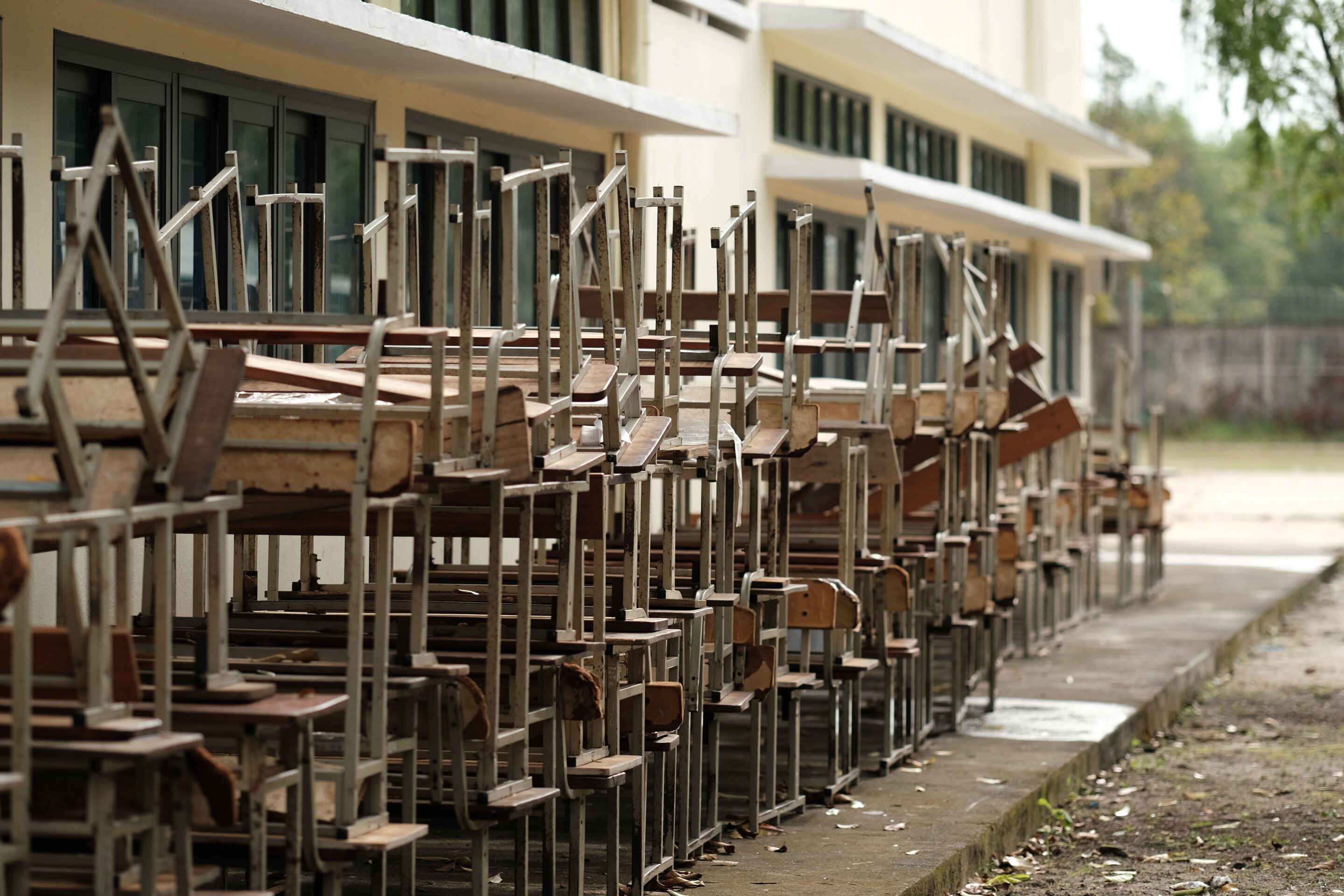
England school closures birth rates are becoming a community issue as falling pupil numbers push some schools to shut permanently. Researchers writing in The Conversation say more than 100 schools in England have closed after a decade of declining births, with closures concentrated largely in urban areas.
Alice Bradbury and Eleanor Fagan said the pattern is new in modern English education. They wrote that the last fall in pupil numbers, in the 2000s, was met with more funding and smaller classes rather than permanent school closures.
The Department for Education’s school place data says England has enough school capacity nationally. Bradbury and Fagan said that national measure can miss what families, staff and neighborhoods experience when a local school disappears.
Why are schools closing in England?
Schools are closing because fewer children are entering the system after years of lower birth rates, according to Bradbury and Fagan. When pupil rolls fall, schools can face financial and staffing pressures, though the researchers argue that closure decisions should look beyond enrollment totals.
The researchers, whose work appears in the British Educational Research Journal, said their analysis suggests closures are falling more heavily on communities with higher deprivation. They interviewed people connected to one elementary school facing closure, including the principal, two staff members, the chair of governors and a parent governor.
Those interviews pointed to a role for schools that extends beyond lessons. Bradbury and Fagan said the school they studied helped extended families through links with a food bank, uniform donations and subsidized breakfast places.
The chair of governors told the researchers that closing the school would remove one of the places where local generations meet each other. The researchers said that kind of connection can be especially important in disadvantaged areas, where schools often act as local support hubs.
What happens to children when a school shuts?
Bradbury and Fagan said their research found that moves to replacement schools were not always planned with children’s social ties in mind. Some pupils were sent to new schools without friends or classmates.
Parents were left to apply for new places through the local authority’s usual allocation process, according to the researchers. That added pressure for families trying to keep children with friends while also finding a school they could reach from home.
Travel can become a practical and financial problem if the new school journey requires public transport, the researchers said. One parent interviewed for the project asked how they would manage work and the new school run while trying to make the change positive for their child.
Bradbury and Fagan said pupils in fifth grade faced a particular disruption because some would move to a new school for only one year before changing again for secondary school. They said that effect should be weighed when closure proposals are considered.
How should closure decisions be made?
The researchers said their findings do not mean every small school should remain open. A school with very low numbers may struggle to provide enough staff, resources and curriculum breadth to support good outcomes, they wrote.
They argued that decision-makers should consider which schools close, not only whether pupil numbers and finances justify closure. Factors should include deprivation, the number of children with special educational needs and disabilities, ethnic and cultural diversity, and the local geography, according to Bradbury and Fagan.
The researchers also pointed to uneven public scrutiny. Some communities have mounted public campaigns to save schools, while other closures happen with little debate; they said schools in multi-academy trusts can be closed without formal public consultation.
Bradbury and Fagan called for more research into both school closures and the effects of keeping smaller schools open. They said the issue reaches beyond education because local schools can connect neighbors and help vulnerable families.
This story draws on original reporting from Phys.org.