
IUCN assessment puts 96% of shallow-water coral reefs at critical risk
An IUCN assessment says 96% of shallow-water reef systems are critically endangered, with climate change driving a steep risk of collapse.
By Sofia Marchetti · World Affairs Correspondent
2 min read
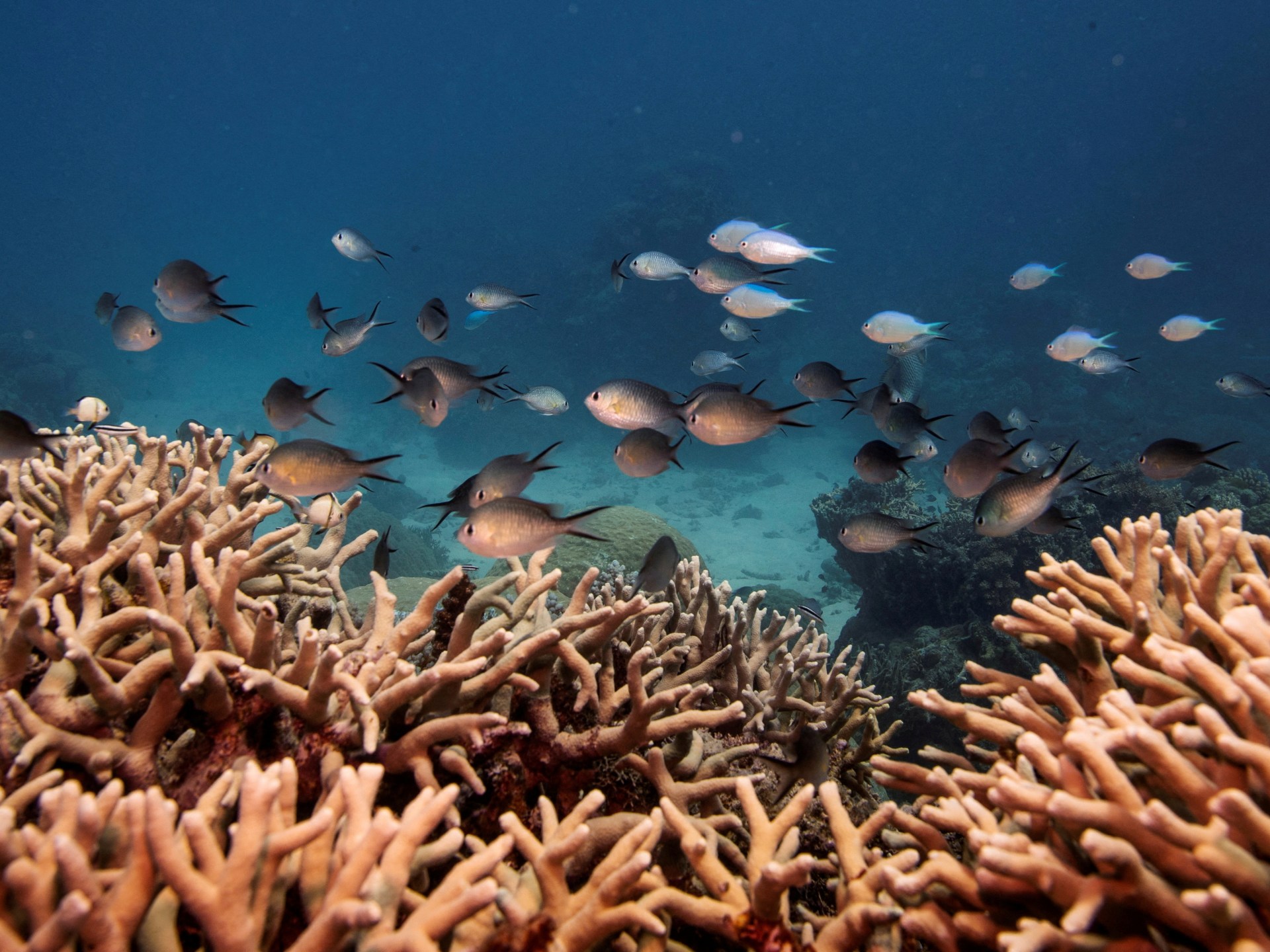
An International Union for Conservation of Nature assessment has classified 96% of shallow-water coral reef systems as critically endangered, placing them at extremely high risk of collapse over the next 50 years. The finding on shallow-water coral reefs extinction risk concerns ecosystems rather than individual coral species, and the assessment says climate change is the most consistent threat to reefs worldwide.
The assessment covered 127 tropical and subtropical reef systems spanning 188,362 square kilometres, according to reporting by Al Jazeera and the Associated Press. It used a middle-of-the-road climate scenario that projects global temperatures 2.7C above pre-industrial levels by 2100.
What does the coral reef collapse warning mean?
A critically endangered classification signals an exceptionally high risk; it does not mean every affected reef is already gone or that its disappearance is certain. The assessment said reef systems could disappear by 2075, while describing their outlook as a risk rather than a forecast of inevitable loss.
When a reef collapses, hard corals are replaced by algae, rubble and sponges, according to the reporting. That shift reduces the reef's ability to support varied marine life, from small invertebrates to fish such as grouper.
The Great Barrier Reef in Australia, the Coral Triangle in the western Pacific and Southeast Asia, the Mesoamerican Barrier Reef System and Red Sea reefs are among the systems listed as critically endangered, the reports said.
Why are reefs under pressure?
The IUCN assessment identified climate change as the single most consistent driver of reef decline, with warmer oceans and heat waves contributing to damaging bleaching events. Corals are sensitive to heat, and bleaching can undermine the reef systems built around them.
The stakes extend beyond coral itself. The reports said reefs support seafood and tourism, can help shield coastlines from erosion and storms, and provide habitat for about a quarter of marine species.
Mishal Gudka, scientific lead for the IUCN Red List of Coral Reef Ecosystems assessment, said surviving and resilient reef areas could still remain or recover after bleaching. Reporting on the assessment said reducing greenhouse-gas emissions, pollution, overfishing and pressures from coastal development, alongside protection and restoration efforts, can help reefs persist.
How does this differ from the risk to coral species?
The 96% figure applies to reef ecosystems and should not be read as a count of coral species facing extinction. A separate IUCN study published in Nature, cited in the reports, found that nearly 44% of reef-building coral species face an elevated extinction risk linked to climate change.
This story draws on original reporting from Al Jazeera.