
DNA survey links river fish diversity to climate and human pressure
A global eDNA study found warmer river catchments gain more fish biodiversity with size, while human activity weakens that pattern.
By Lucas Ferreira · Science & Environment Writer
3 min read
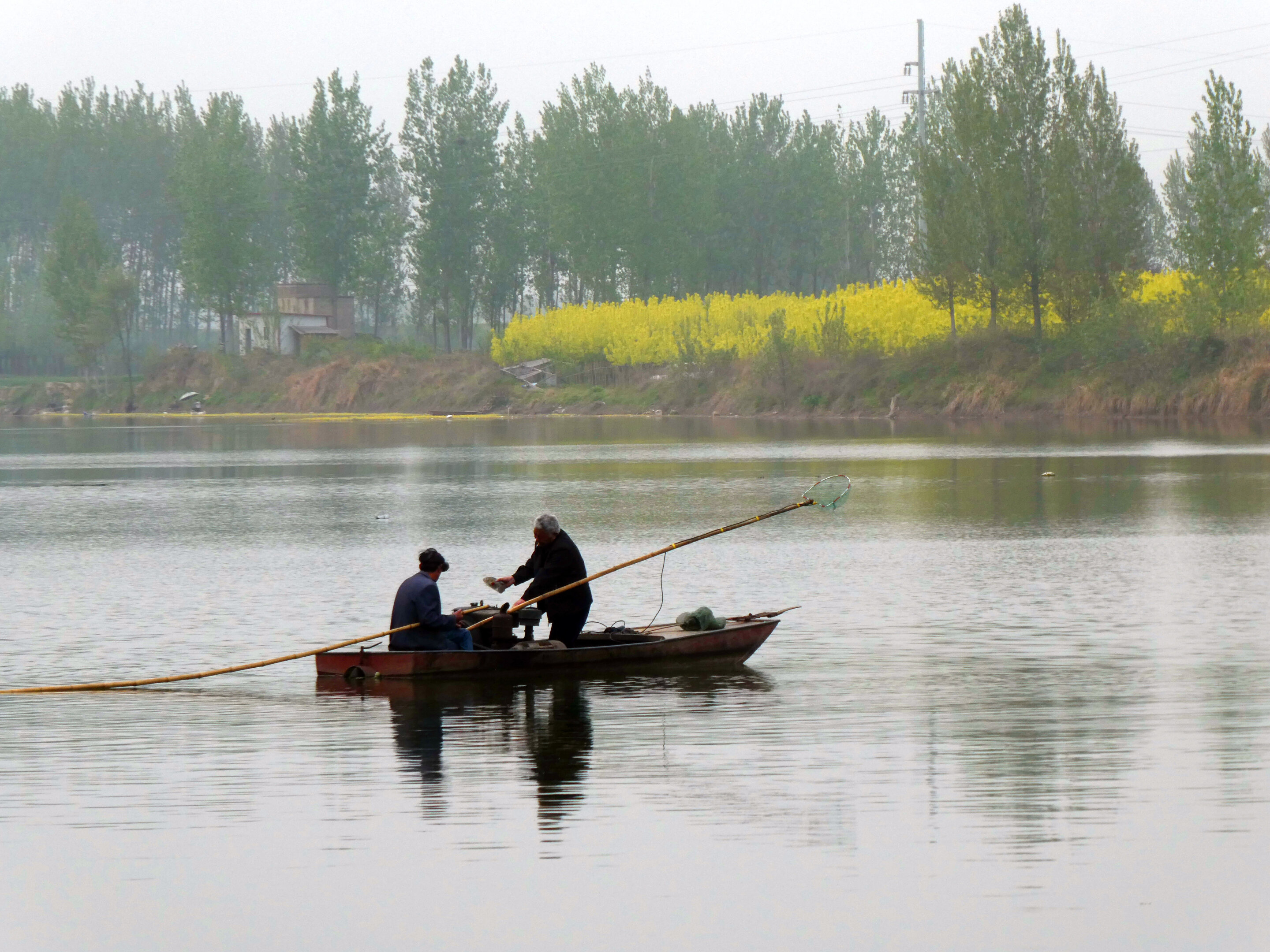
A global survey using environmental DNA has found that climate and human activity shape fish biodiversity in river systems. The findings matter for freshwater conservation because rivers often support species-rich ecosystems that are difficult to monitor with conventional fishing-based methods.
The study, led by researchers at the University of Zurich, Eawag and Yunnan University, analyzed environmental DNA, or eDNA, from 113 river systems on five continents. The team drew on nearly 2,000 sampling sites and reported the results in Nature Ecology & Evolution, according to the University of Zurich.
Researchers found that river catchments in warmer climates tended to build up more fish biodiversity as catchment size increased. That relationship weakened in places with higher levels of human activity, suggesting that human pressures can limit biodiversity patterns that would otherwise emerge across large drainage systems, the university said.
Water samples instead of captured fish
Environmental DNA monitoring works by collecting water and sequencing genetic material left behind by organisms. Researchers then use species-specific genetic signatures to infer which fish are present in an ecosystem.
The approach differs from traditional fish surveys that use gill nets or electrofishing. The University of Zurich said eDNA is especially useful where biodiversity data are hard to collect, including remote species-rich regions and large rivers where direct sampling is limited.
Yan Zhang, a postdoctoral researcher and first author of the study, said the work shows how new monitoring tools can improve biodiversity assessments. “Protecting biodiversity depends on sufficient data to document the state of biodiversity and how it is changing. Our research shows how technological advances can directly contribute to the understanding of biodiversity across different dimensions,” Zhang said.
Human effects varied by region
The team reported that human activity affected biodiversity patterns differently across regions. Florian Altermatt, professor of aquatic ecology at the University of Zurich and Eawag and a principal investigator on the study, said that variation points to the need for conservation measures tailored to local conditions.
“We found that the effects of human activity varied across regions, highlighting the need for locally adapted protection measures,” Altermatt said.
The study looked beyond species counts. According to the researchers, measures including functional diversity and genetic sequence diversity also showed stronger negative responses to human activity in larger river catchments. Phylogenetic diversity, which reflects evolutionary relationships among species, was particularly affected by human activity, especially in smaller catchments.
“Our findings suggest that biodiversity responses to environmental gradients and human influence are complex and vary depending on the specific biodiversity aspect being measured,” Zhang said.
Policy use for freshwater protection
The University of Zurich said the study demonstrates eDNA’s potential for rapid, large-scale monitoring of freshwater ecosystems. That capacity could help researchers detect biodiversity change and link it to environmental pressures over broad areas.
Altermatt said large integrated datasets are changing biodiversity research and can inform global conservation policy. The university said eDNA monitoring may support conservation strategies and help countries work toward biodiversity targets, including those in the Global Biodiversity Framework.
“Our research not only advances scientific understanding but also provides policymakers with essential tools for protecting freshwater ecosystems,” Altermatt said.
This story draws on original reporting from Phys.org.