
AI and hidden sensors track rare wildlife in Cambodia's Cardamoms
Conservationists are using camera traps, microphones and machine learning to document endangered species in a rainforest under pressure.
By Lucas Ferreira · Science & Environment Writer
3 min read
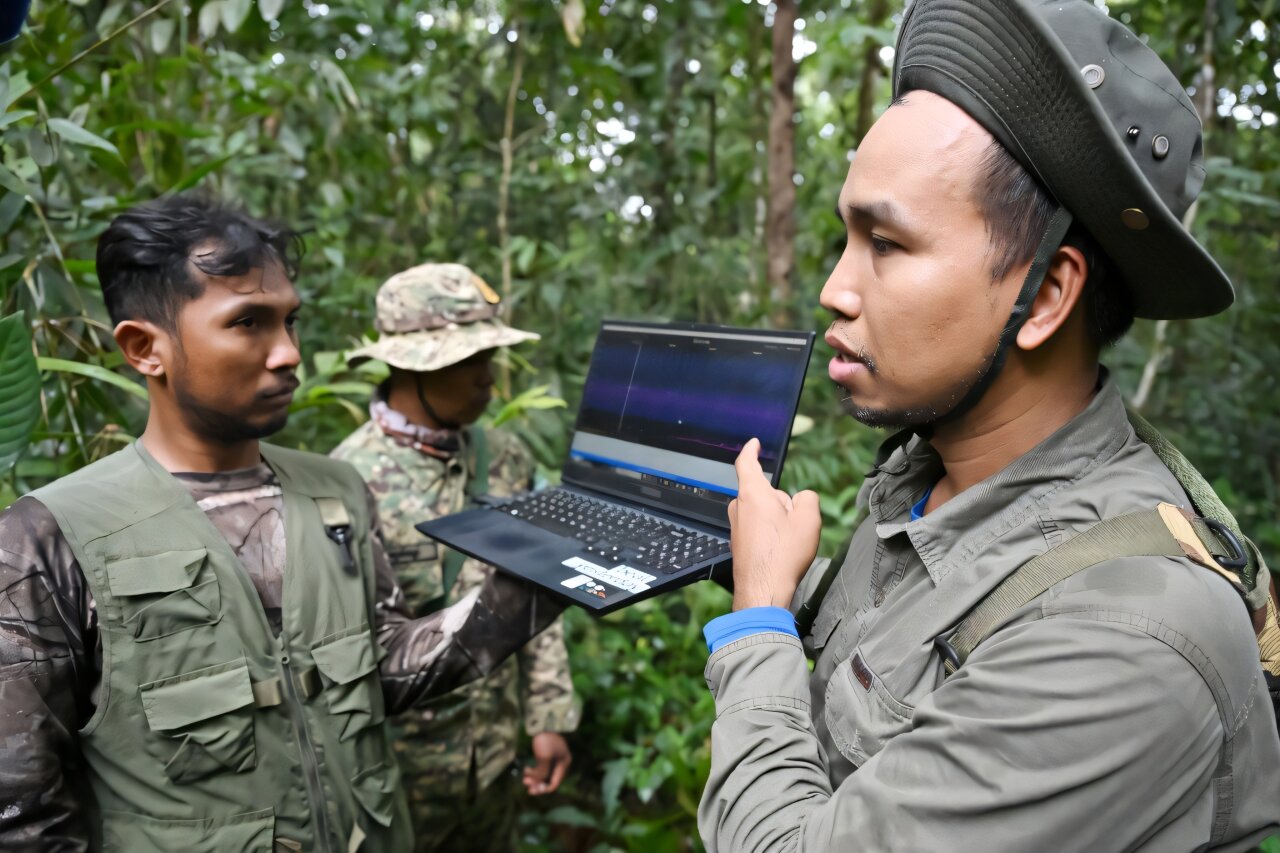
Conservationists in Cambodia are using hidden cameras, audio recorders and artificial intelligence to document rare animals in the Cardamom Mountains. The work is meant to build evidence for protecting one of Southeast Asia’s major remaining rainforests as dams, roads and past forest loss put pressure on the area.
Conservation International says the Central Cardamom region supports species ranging from pangolins and elephants to pileated gibbons. Ratha Sor, the group’s biodiversity and science manager, told AFP that gibbon calls are a sign the forest can still sustain endangered wildlife.
The Cardamom range covers more than 1 million hectares, or 2.47 million acres, in southwest Cambodia. AFP reported that Cambodia has lost more than a third of its forest cover over the past 25 years, while the Cardamoms have also suffered from deforestation and poaching over decades.
Cameras fill gaps in the forest record
Conservation International published the first systematic camera-trap survey of the Central Cardamom region in 2024. The survey used nearly 150 devices placed at regular intervals and recorded more than 100 resident species, including almost two dozen classed as vulnerable or endangered, according to the group.
The organization plans to repeat that broad survey later this year. It also runs more targeted camera trapping in places where animals are likely to pass, giving researchers more detail on population changes and behavior.
AFP accompanied conservationists, rangers and local residents this month as they retrieved and replaced monitoring equipment in the forest. Local guides help choose camera and microphone locations, including Pan Sok, a 50-year-old member of the Chong Indigenous minority who has spent years tapping resin from trees in the area.
Pan reviewed night footage from one camera he helped place, which showed pig-tailed macaques, dholes and elephants. He told AFP he felt pride seeing the images and said his efforts had paid off.
Some species seen on the cameras are more commonly encountered in other parts of Southeast Asia than in the Cardamoms. One ranger told AFP he had not seen an elephant during 12 years of patrols.
Machine learning listens for gibbons
Gibbons pose a different problem for researchers because they live high in the canopy and move quickly. Conservation International is using bioacoustic monitors and AI to detect their calls instead.
The group placed dozens of recorders at 10 sites, with each monitor at least 3 kilometers, or 1.9 miles, from the next. Sor told AFP that spacing reflects how close gibbon groups come before conflict, allowing each device to capture a different troop.
Over six weeks, the monitors recorded nearly 800 calls. Conservation International staff spent three months training a machine-learning program, labeling as much as half the material so the system could separate gibbon calls from other sounds, Sor said.
The group expects to train the system further to tell male and female calls apart, and later to identify individual animals. That would give researchers a more precise way to track groups without needing to see them.
AFP reported that experts say poaching has declined in the region, though a ranger found part of an old snare during the visit. Patrols have also reduced small encroachments, but infrastructure projects, including multiple dams, continue to drive forest loss.
Global Forest Watch data show the Central Cardamom protected region lost nearly 7,000 hectares of tree cover in the past five years. Sor told AFP that government-backed infrastructure projects are outside the conservation group’s control, but said evidence of rare wildlife could help show the value of keeping the forest intact.
This story draws on original reporting from Phys.org.