
Climate stress may cut nutrients in wheat, researchers warn
Ghent University researchers report that future climate conditions could lower B vitamins and minerals in wheat, while a Nature review points to CRISPR as one tool.
By Lucas Ferreira · Science & Environment Writer
2 min read
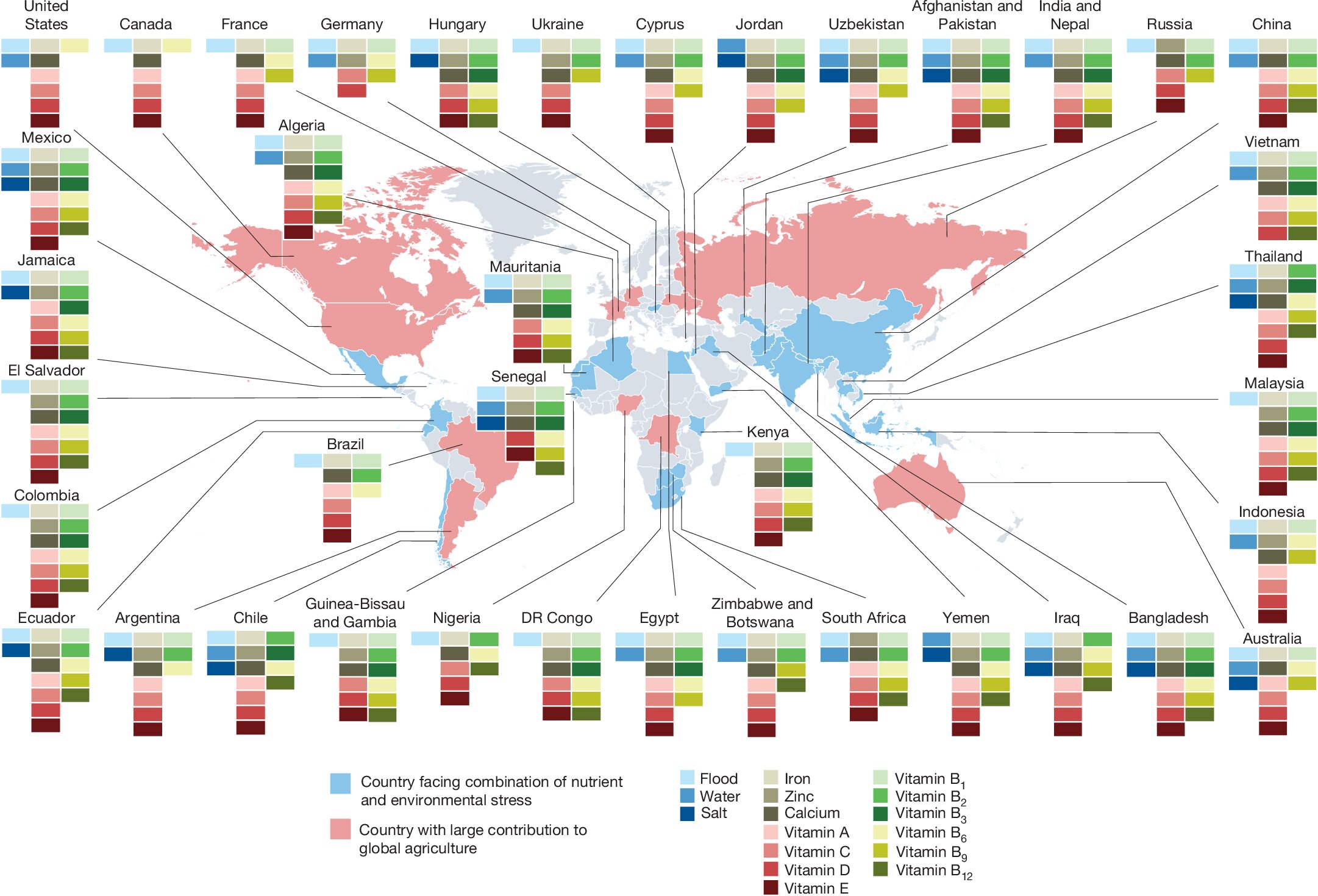
Future climate conditions could make wheat less nutritious by reducing concentrations of several B vitamins and minerals, according to research led by Ghent University. The findings add a nutrition risk to the food security problem already posed by climate change: crops may produce calories while delivering fewer essential micronutrients.
The study, led by Prof. Dominique Van Der Straeten of Ghent University’s Laboratory of Functional Plant Biology in Belgium with the University of Liège, was published in Advanced Science. Ghent University said the work indicates that future climate scenarios will strongly reduce the density of multiple B vitamins and minerals in wheat grains.
The issue reaches beyond wheat fields. Ghent University said more than 700 million people currently face caloric hunger, while more than 2 billion people live with micronutrient deficiencies, often described as “hidden hunger.” The university said the global focus on higher crop yields has increased calorie production but has also worsened vitamin and mineral shortfalls.
Climate stress has already been shown to lower the density of several nutrients, according to Ghent University. In the wheat study, researchers examined European winter wheat and reported that climate change threatens its micronutrient density, creating a public health concern for populations that rely on staple grains.
Van Der Straeten and researchers from institutions worldwide also assessed possible responses in a related opinion review in Nature. The review examined how genetic technologies could be used to increase vitamin and mineral levels in crops while also improving resilience to climate stress.
One focus was CRISPR-Cas, a genome-editing approach that Ghent University described as a breeding technology already adopted by many countries. The review said CRISPR-Cas allows highly precise edits and could be used to raise micronutrient densities toward levels needed to reduce dietary vitamin and mineral deficiencies.
The Nature authors also argued that CRISPR-Cas should be used alongside other genetic engineering methods, including transformation. They linked that position to the short time left to meet the United Nations Sustainable Development Goal of zero hunger, known as SDG2, which targets 2030.
The Advanced Science paper is titled “Climate Change Threatens Micronutrient Density of European Winter Wheat.” The Nature opinion review is titled “Genetic technologies to enhance crop nutritional value under climate change.”
Together, the publications frame crop nutrition as a climate adaptation challenge as well as an agricultural productivity problem. The researchers’ argument is that staple crops need to withstand environmental stress while supplying more of the vitamins and minerals that people are already missing from their diets.
This story draws on original reporting from Phys.org.