
DNA from 1836 specimen confirms Himalayan pangolin as its own species
Researchers say Manis aurita is distinct from the Chinese pangolin, a finding that could sharpen anti-poaching and conservation work.
By Priya Raghavan · Science Reporter
3 min read
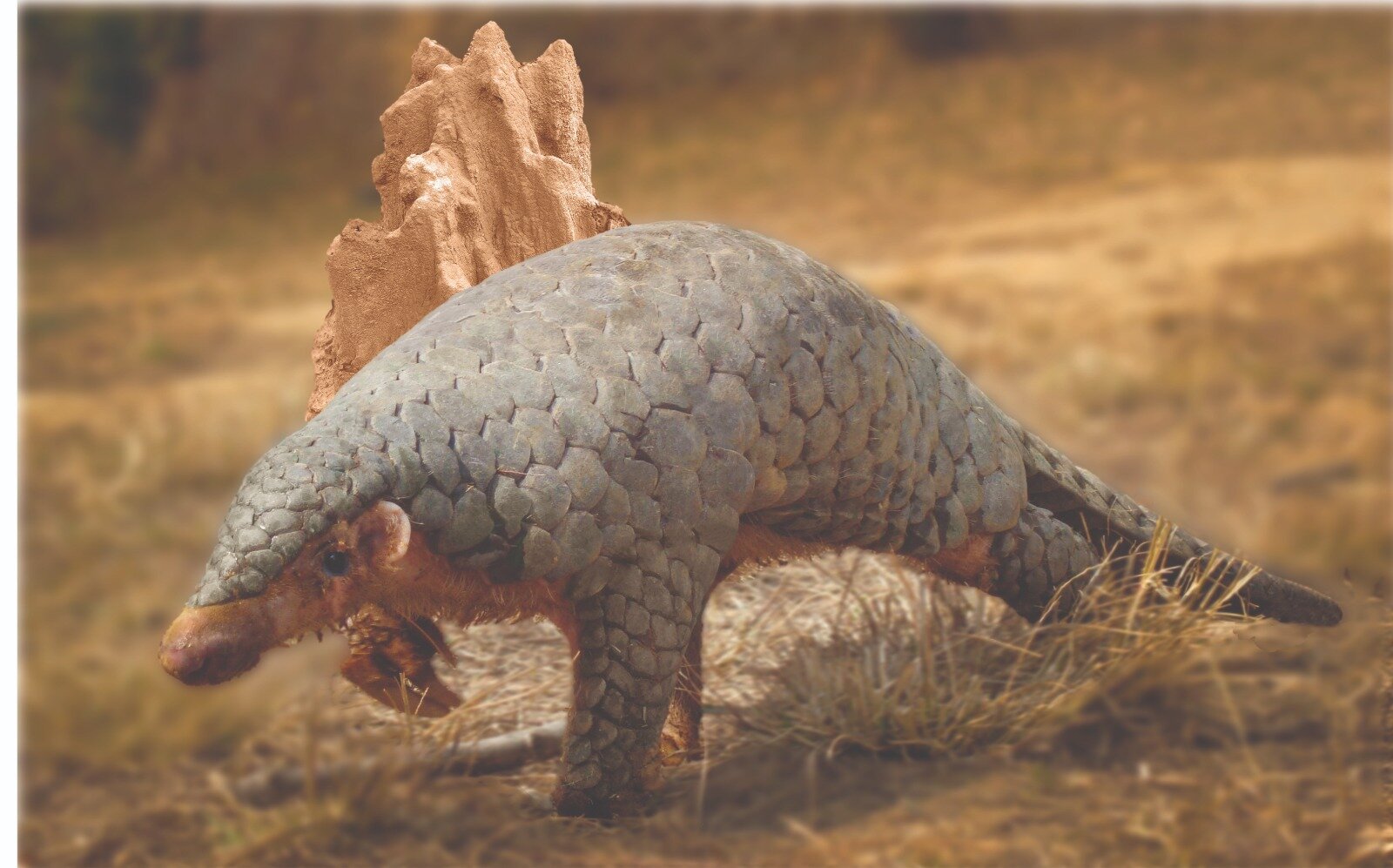
Scientists have confirmed that a Himalayan pangolin long grouped with the Chinese pangolin is a separate species, according to a study published in Communications Biology. The finding matters for conservation because pangolins are heavily trafficked for their scales, and identifying the exact species can help authorities trace poaching pressure more precisely.
The species is named Manis aurita, according to the research team, which included scientists from the Field Museum, Nepal Engineering College at Pokhara University, Guangzhou University and the Guangdong Academy of Forestry. The team said the animal occurs in the Himalayan foothills, including parts of Nepal, India, Bhutan and Myanmar.
The conclusion drew on both anatomy and DNA, including genetic material recovered from a nearly 190-year-old specimen held by the Natural History Museum in London, according to the researchers. That specimen dates to 1836 and served as a key reference point for settling the animal’s scientific name.
An old name returns
Researchers had already reported in 2025 that the animals commonly treated as Chinese pangolins were more than one species, according to the study. That work used the name Manis indoburmanica for the Himalayan form.
But scientific naming rules give priority to the earliest valid name, the researchers said. Because Manis aurita had been described in 1836 and later treated as a subspecies of the Chinese pangolin, the new DNA evidence showed that the Himalayan animals match the older name.
Kai He of Guangzhou University said the central taxonomic question was whether the 2025 name and the older aurita referred to the same animal, according to the Field Museum account of the study. Sequencing DNA from the London museum specimen gave the team the evidence needed to answer that question.
Anderson Feijó, a mammal curator at the Field Museum and a co-corresponding author of the study, said the Himalayan pangolin differs from the Chinese pangolin in several visible ways. According to Feijó, the Himalayan species has a larger body, a longer tail and smaller ears.
The study also found that the Himalayan pangolin and the Chinese pangolin occupy separate geographic ranges, according to the researchers. For endangered animals targeted by poachers, the team said, knowing where one species ends and another begins can shape how protection plans are designed.
Forensics and conservation
Pangolins are mammals found in Africa and Asia, and their scales have made them a major target of illegal wildlife trade, according to the Field Museum. The researchers said pangolins are considered the world’s most trafficked mammals and face a high risk of extinction.
Feijó said wildlife markets often contain scales rather than whole animals, which makes species identification difficult. The DNA work described in the study could allow conservation scientists to test seized scales, identify which pangolin species they came from and connect them to regions where poaching may be concentrated.
The researchers said that information could help enforcement agencies focus on areas under pressure and help conservation programs avoid moving the wrong species into a recovery area. Feijó said clearer species boundaries could prevent, for example, Chinese pangolins from being released in Nepal because the two animals had been confused.
The study also underscores the role of museum collections, according to the research team. Feijó said older specimens allow scientists to sample more individuals across a species’ range, which is especially useful when the animals are rare in the wild and fresh material is hard to obtain.
The paper, “Revalidation of Manis aurita based on integrative genomic and morphological evidence,” was published in Communications Biology, according to the journal listing cited by the Field Museum.
This story draws on original reporting from Phys.org.