
Automakers face USMCA limbo as extension deadline slips
The expected failure to extend the North American trade pact opens a review that could unsettle auto investment and supply chains.
By Sofia Marchetti · World Affairs Correspondent
3 min read
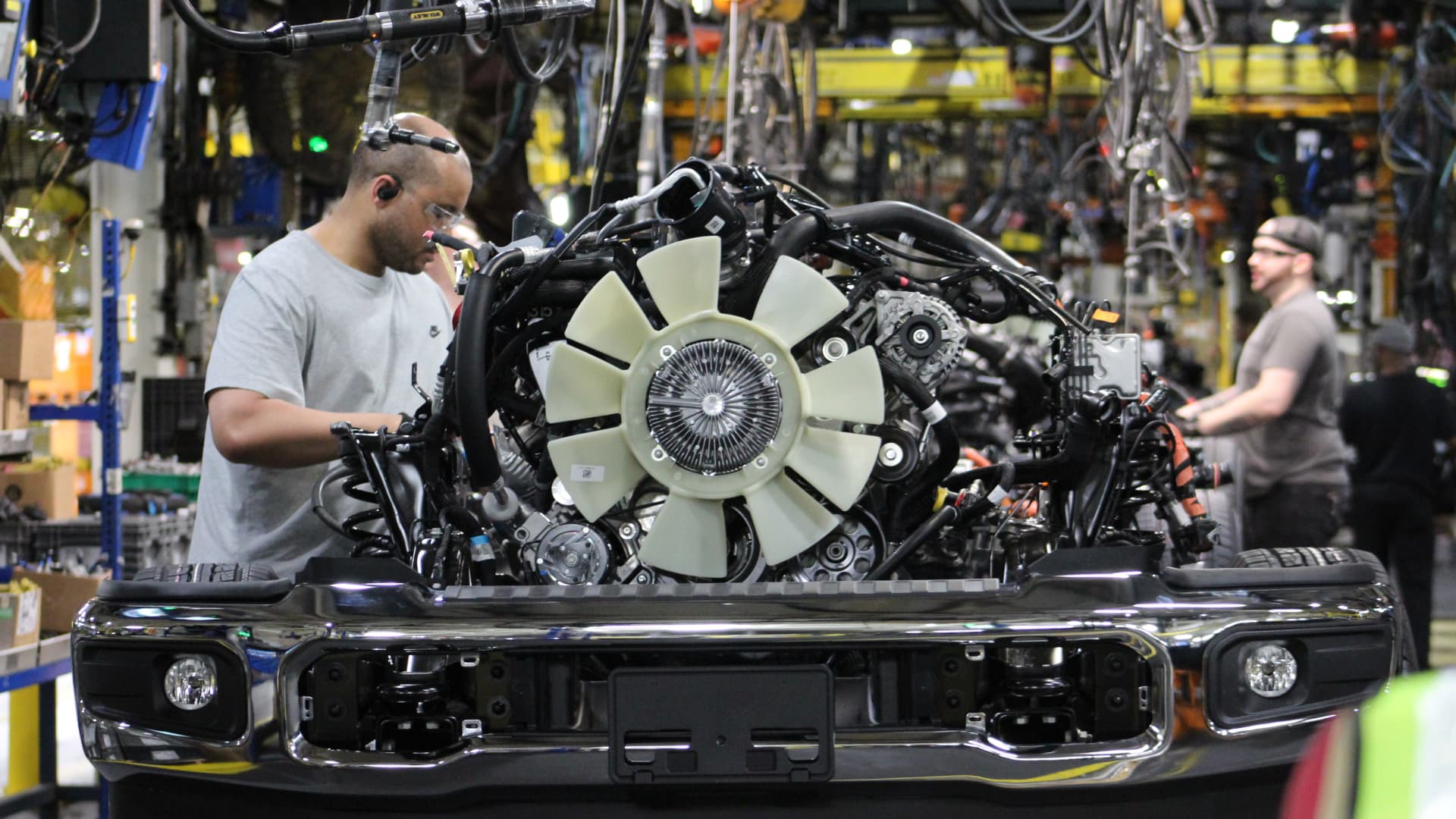
The North American auto industry is facing a fresh period of trade uncertainty as the United States, Mexico and Canada are not expected to extend the USMCA pact by Wednesday, CNBC reported. Without an extension, the agreement enters an annual review process and could ultimately expire in 2036 if the countries fail to reach a deal.
The United States-Mexico-Canada Agreement took effect in 2020 during President Donald Trump’s first term, replacing NAFTA. CNBC reported that the pact governs about $2 trillion a year in goods and services among the three countries.
Autos are central to the talks. The industry accounted for about 18% of U.S. trade with Canada and Mexico last year, according to data cited by the American Automotive Policy Council.
Industry officials and advisers told CNBC that reopening the agreement could delay investment decisions and complicate hiring. Diego Marroquín Bitar, a fellow at the Center for Strategic and International Studies, told CNBC that a prolonged review would be “very painful for everyone.”
Washington wants more U.S. content
U.S. officials had previously said they did not plan to extend the pact on the current timetable, CNBC reported. U.S. Trade Representative Jamieson Greer said in May that Washington wants tougher North American origin rules that increase U.S. content in covered goods and support domestic manufacturing, according to Reuters.
The talks may also extend beyond trade. Bitar told CNBC that the Trump administration has discussed issues including immigration and crime in connection with the negotiations, which he said could make the process longer and more uncertain.
Automakers are watching the rules of origin, which determine where a product is deemed to come from and whether it qualifies for lower tariffs or duty-free treatment. Under the current USMCA rules, passenger vehicles and light trucks must have 75% regional value content from North America.
The Trump administration wants to raise that requirement to 82%, with 50% of value produced in the United States, Reuters reported. Mark Wakefield, a partner and global automotive market lead at AlixPartners, told CNBC that separating U.S. content from Canadian content would require new systems and could be costly.
Industry groups seek a trilateral deal
Major U.S. auto trade groups told Greer in a May 7 letter that they support U.S.-Mexico talks but want trilateral discussions that preserve USMCA as a three-country agreement. The groups said companies have spent billions of dollars to meet current standards and are already putting more money into U.S. operations.
USMCA has led to $182 billion in North American automotive investment, with 86% announced for the United States, according to data from U.S. auto lobbying groups cited by CNBC.
Flavio Volpe, president of Canada’s Automotive Parts Manufacturers’ Association and a member of the Canadian prime minister’s council on Canada-U.S. relations, told CNBC he was optimistic that the countries could reach an agreement by the fall. He said the issues under discussion are serious but, in his view, can be solved.
Consultants also warned that stricter content thresholds could backfire. Boston Consulting Group’s Aakash Arora told CNBC that companies might decide to pay tariffs on lower-value imports rather than redesign supply chains to meet higher U.S. content requirements.
Few vehicles appear close to meeting a higher threshold. About a dozen vehicles or single models meet the current 75% level, and none reach 80%, according to a 2026 parts-content list published by the National Highway Traffic Safety Administration and cited by CNBC.
Executives have said shifting more production to the United States would take years and billions of dollars, CNBC reported. S&P Global Mobility has said a vehicle can contain about 20,000 parts from 50 to 120 countries, underscoring how deeply cross-border supply chains are built into the industry.
This story draws on original reporting from CNBC.