
Darwin residents press for toxic gas monitoring near LNG plants
A community air-testing campaign follows expanded venting approval for Santos and concerns over benzene emissions from Darwin gas facilities.
By Lucas Ferreira · Science & Environment Writer
3 min read
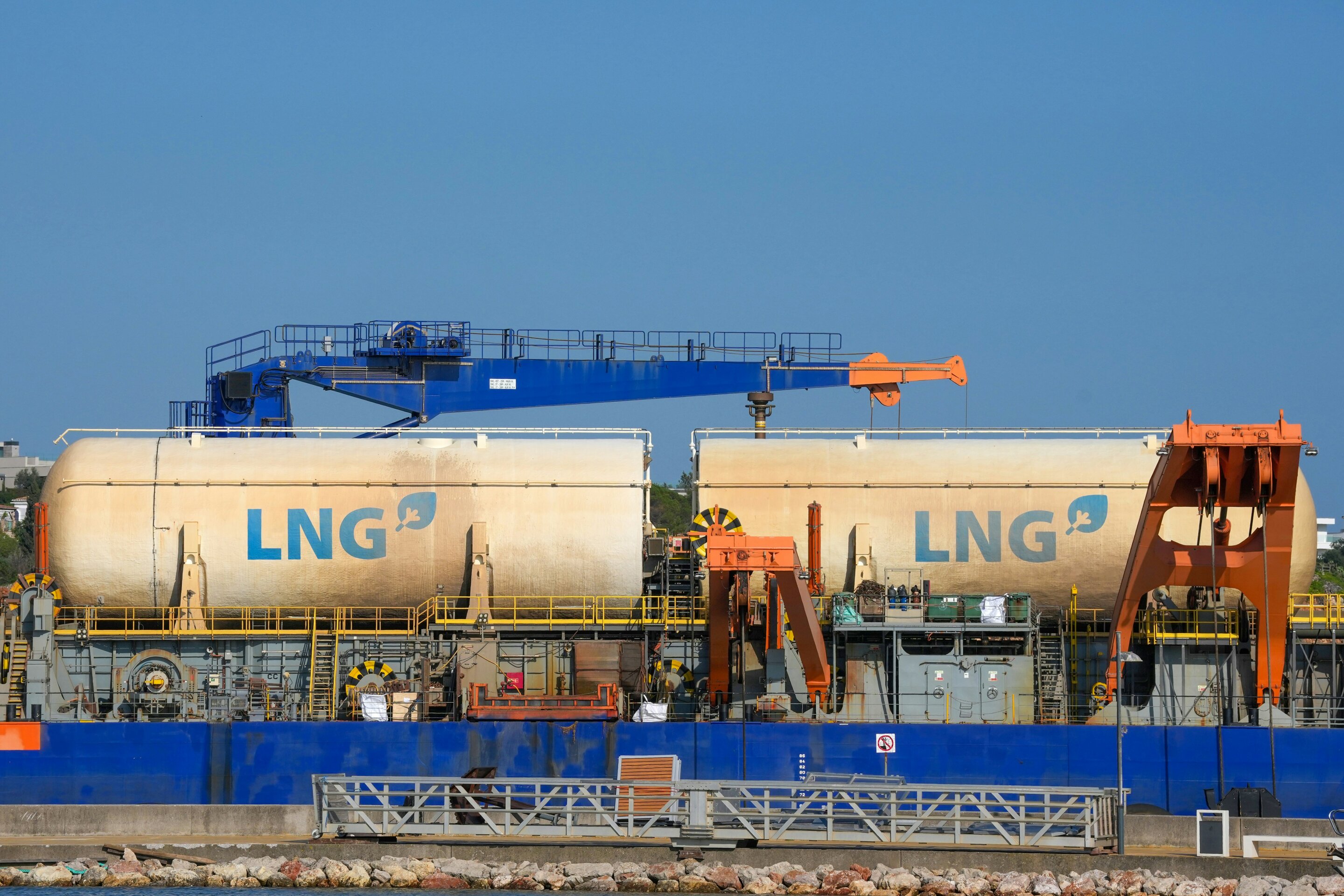
Darwin residents are raising money for their own air-quality monitoring after years of concern about toxic emissions from two nearby liquefied natural gas export plants. The campaign gained urgency after the Northern Territory Environment Protection Authority approved a permit extension allowing Santos to vent waste gases for more days each year, according to The Conversation.
The facilities, operated by Santos and Inpex, sit about 10 kilometers from Darwin’s central business district, The Conversation reported. Residents are focused on benzene and related volatile organic compounds, known as BTEX chemicals: benzene, toluene, ethylbenzene and xylene.
A new community group, Community Healthy Air Northern Territory, or CHANT, launched on June 14 and has raised more than $100,000 to buy a regulation-grade mobile BTEX monitoring device, according to The Conversation. The group is seeking expert advice for a community-run air-monitoring project.
The Northern Territory Environment Protection Authority announced the next day that it planned to establish an air-quality testing network to measure and report toxic air substances, including BTEX chemicals, according to ABC reporting cited by The Conversation. Two days later, the authority approved an extension allowing Santos to hot vent waste gases from its Barossa gas supply for an additional 26 days a year. Santos already had approval for 36 days a year, The Conversation reported.
Health concerns center on benzene
Benzene is among the pollutants released during gas and LNG production, according to research reviewed by The Conversation authors Melissa Haswell and Kerrie Mengersen. They cited recent studies linking benzene exposure, alone and with other BTEX chemicals, to cancers, childhood asthma, heart and respiratory disease, hospitalizations, deaths, low birth weight and risks to the developing fetus.
The authors also cited World Health Organization material stating there is no safe level of benzene exposure. They wrote that Australia committed in 2004 to review evidence and set a formal benzene exposure standard by 2012, but no such standard has been set.
Australia’s benzene level that triggers an investigation is two to three times higher than standards in Europe, India, Japan and New Zealand, according to research cited by The Conversation. The authors argued that continuous monitoring is needed because monthly sampling can miss short-term pollution peaks.
Past reporting problems add to concern
Previous incidents have shaped public concern in Darwin. An ABC Darwin investigation in 2025 found Santos had not reported a serious leak in an LNG storage tank for 20 years, according to The Conversation. The report said large volumes of methane escaped and that Santos was not required to repair the crack.
In 2024, Darwin residents learned that Inpex LNG had emitted volatile organic compounds, including benzene, at levels up to 22 times higher than its original estimate, The Conversation reported. In 2025, Inpex acknowledged it had underestimated benzene emissions by 138 times in compulsory reporting of total VOCs, likely since 2018, according to the same account.
Inpex also acknowledged extended hot venting during periods when its anti-pollution equipment was not operating, The Conversation reported. A consultancy review later found major flaws in Inpex emissions calculation methods, including poor documentation, inconsistencies and incomplete coverage of emission sources, according to the Northern Territory Environment Protection Authority material cited by The Conversation.
The Northern Territory chief health officer commissioned a preliminary human health risk assessment after that review, according to The Conversation. The assessment concluded the risk of health effects from benzene and toluene emissions was low.
Haswell and Mengersen said the reliability of that conclusion depends on the quality of the emissions and air-quality data used. They called for stronger benzene and BTEX standards, independent monitoring and regulatory action to reduce emissions around Darwin’s gas facilities.
This story draws on original reporting from Phys.org.