
FIU psychologist urges calm support for children after Venezuela quake
Jonathan Comer says children can feel disaster stress from afar and need reassurance, routine and limits on distressing media.
By Priya Raghavan · Science Reporter
3 min read
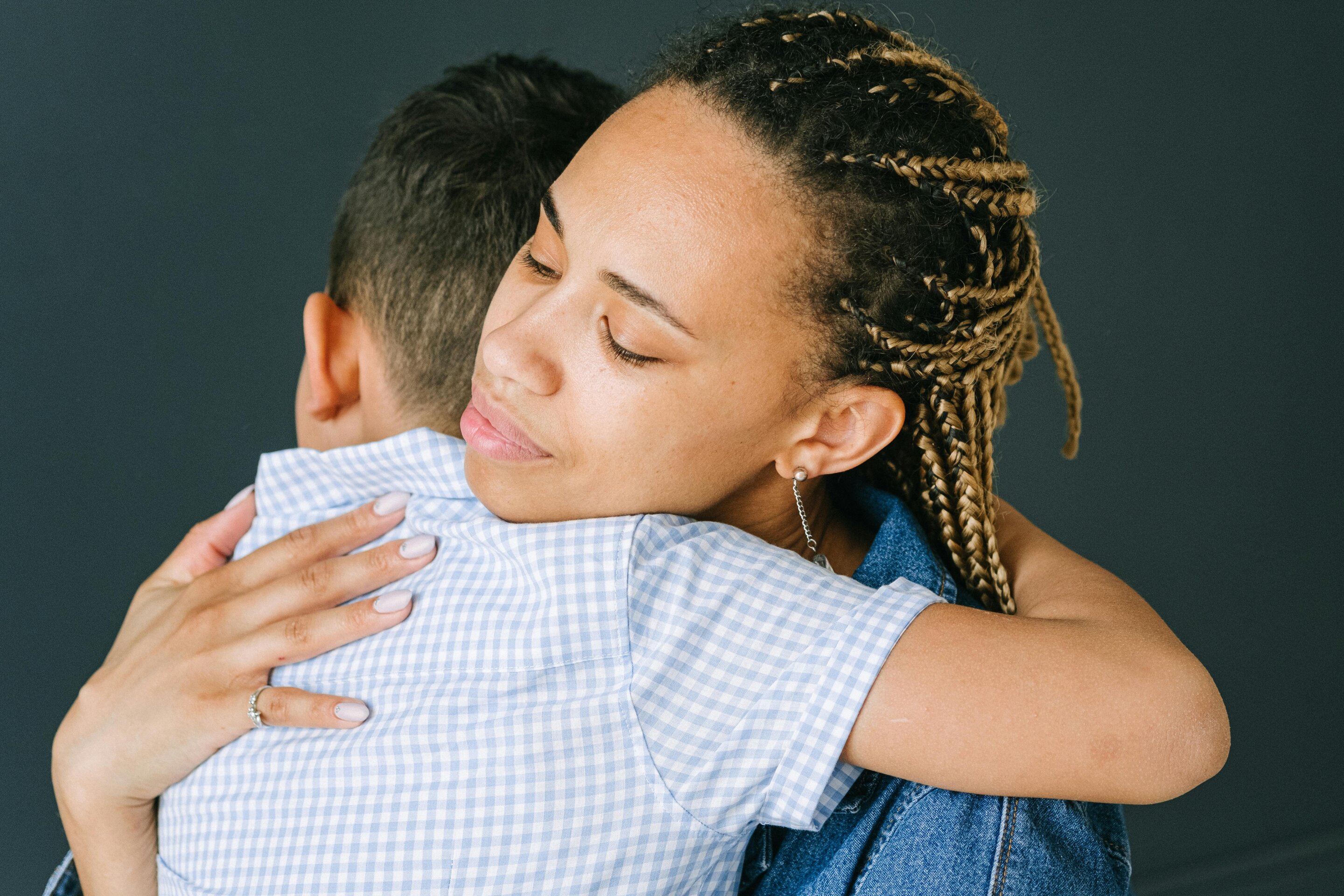
A devastating earthquake in Venezuela has left families grieving, displaced and searching for loved ones, according to Florida International University. The university says the disaster is also weighing on South Florida families with ties to the region, including children who may be exposed to distressing news, social media and family conversations.
Jonathan Comer, an FIU psychology professor and director of the Network for Enhancing Wellness in Disaster-Affected Youth program at the university’s Center for Children and Families, said children can be affected even when they are far from a disaster. FIU said its earlier research found that repeated exposure to coverage of a tragedy can contribute to emotional stress in children thousands of miles away.
Comer said earthquakes can be especially hard for families because the fear does not necessarily end after the first shaking stops. Aftershocks can leave adults and children unsure when the danger has passed, making it harder to feel safe again, he said.
Children may not describe their distress directly, Comer said. Instead, adults may notice changes in sleep, behavior, appetite, mood or physical complaints. He said supportive adults can help children recover by giving them room to ask questions, express feelings and know they are loved.
What caregivers can do
Comer said parents do not need to present themselves as having every answer. He advised caregivers to stay calm and reassuring, while acknowledging that the situation is sad and upsetting. Children often look to adults for cues about how much danger they should feel, he said.
Caregivers should first ask children what they have heard and what questions they have, Comer said. That allows adults to correct misunderstandings without giving children more information than they can handle. He recommended honest, simple, age-appropriate answers and avoiding graphic details.
FIU said repeated exposure to disturbing disaster images and videos can increase fear and anxiety, especially among younger children. Comer advised parents to limit repeated disaster coverage when possible, help children understand the difference between events elsewhere and their own immediate safety, and encourage older children to take breaks from social media if they feel overwhelmed.
Comer said caregivers should tell children that fear, sadness, anger, confusion and frustration are common after a tragedy. He also advised adults to praise hopeful or positive thoughts when children express them and to help children look for signs of kindness and resilience.
When children worry that the same disaster could happen to them or someone they love, Comer said adults should not dismiss the fear. He recommended gentle questions that help children put anxious thoughts in perspective and replace catastrophic ideas with more balanced ones.
Comer also urged caregivers to remind children that adults are working to keep them safe. He said pointing to emergency responders, health care workers, volunteers and neighbors helping communities recover can give children reassurance and hope.
Routine and action
FIU said predictable routines can help restore a child’s sense of security. Comer recommended keeping regular schedules for meals, bedtime, school and family activities as much as possible.
If children want to help, Comer said adults can suggest age-appropriate actions such as writing notes to first responders, drawing pictures for affected families, joining a fundraiser or donating to a relief organization. Small acts of kindness can help children feel less helpless, he said.
Comer said many children recover emotionally with time, stability and caring adults. Children who experienced the earthquake firsthand may need longer to heal, and some may require more intensive support for grief, fear and traumatic stress as they rebuild a sense of safety.
This story draws on original reporting from Phys.org.