
Great ape laughter may trace back 15 million years
A Warwick-led study found humans and other great apes share a steady laughter rhythm, offering clues to the evolution of speech.
By Tom Brennan · Health & Medicine Correspondent
3 min read
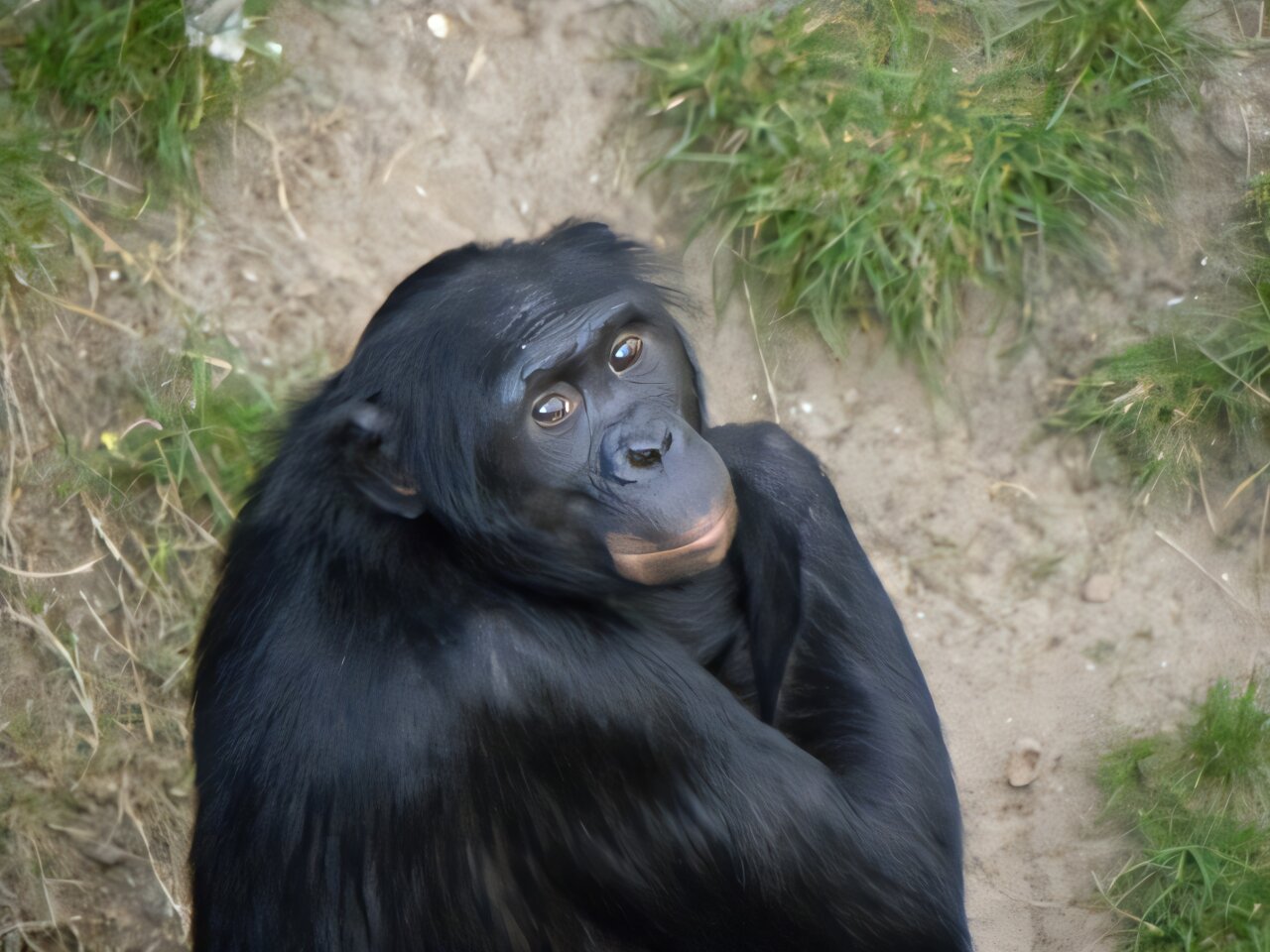
Humans and other great apes appear to share a basic laughter rhythm that may date to a common ancestor 15 million years ago, according to researchers at the University of Warwick. The finding gives scientists a living clue to vocal evolution, a subject that cannot be studied through fossils of speech.
The study, published in Communications Biology, examined recordings of laughter from orangutans, gorillas, bonobos, chimpanzees and humans. Warwick researchers reported that all five groups produced laughter in sequences marked by regularly spaced intervals between sounds.
The team analyzed 140 laughter sequences from four orangutans, two gorillas, three bonobos, four chimpanzees and four humans, according to the university. The researchers said the shared timing pattern suggests that the basic structure of laughter was already present in the ancestor of living great apes.
A shared rhythm across living great apes
All living great apes laugh, the Warwick team said, but scientists have had limited evidence for how that behavior changed over evolutionary time. By comparing the timing of laughter across species, the researchers found a common rhythmic pattern despite differences among apes and humans.
Dr. Chiara De Gregorio, an honorary research associate in Warwick’s Department of Psychology, said the work points to laughter as a way to study vocal traits older than human speech. Because speech does not fossilize and complex language is found only in humans, she said laughter offers evidence from a behavior that humans still share with other great apes.
The study does not claim that ape laughter and human speech are the same. Instead, the researchers argue that laughter preserves a simpler vocal timing pattern that predates humans and continued across the great ape lineage.
Human laughter shows more control
The Warwick researchers also found differences. Human laughter was faster and more varied than the laughter of other great apes, according to the study, and humans showed more control over how laughter is used in different situations.
The university said human laughter can change with context, such as laughter caused by tickling, a polite laugh in a meeting, a nervous laugh after an error or laughter that spreads socially among friends. The researchers described those variations as examples of conscious control layered onto an older rhythmic structure.
The team said that increasing control over vocal timing may have developed gradually during great ape evolution. That kind of control is one of the capacities needed for speech, according to the researchers.
Dr. Adriano Lameira, associate professor in Warwick’s Department of Psychology and ApeTank, said laughter provides a rare way to study vocal changes across hominid evolution because it is older than speech and remains shared by living great apes. He said the findings support the view that human vocal control developed along a continuum rather than appearing suddenly in the first humans.
The paper is titled “Rhythm and timing in laughter reveal that human vocal plasticity falls on a hominid continuum.” It was published in 2026 in Communications Biology with the DOI 10.1038/s42003-026-10499-z.
This story draws on original reporting from Phys.org.