
Bacterial spore study widens targets for enzymes and vaccines
Tufts researchers report that many more spore-coat proteins may be useful anchors for engineered enzymes, sensors and vaccine components.
By Priya Raghavan · Science Reporter
3 min read
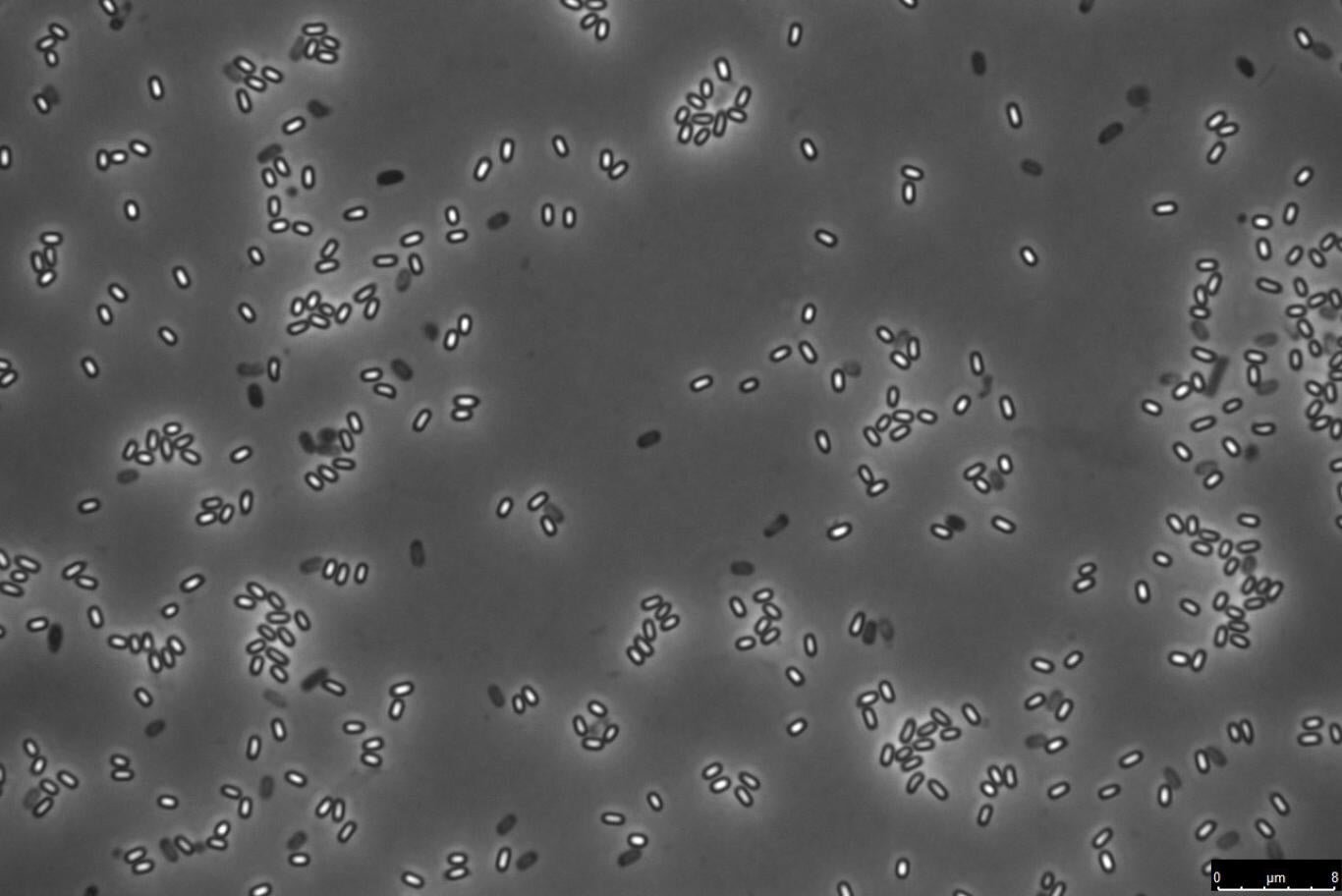
Tufts University researchers have identified a broader set of bacterial spore-coat proteins that could be used to attach enzymes, vaccine antigens and other useful molecules to hardy microbial structures. The work matters because spores can survive harsh conditions, which could make some biological products easier to store, ship and use outside standard laboratory or medical settings.
The team, led by Nik Nair, an associate professor of chemical and biological engineering at Tufts, reported the findings in JACS Au. According to Tufts, earlier spore-engineering work had examined only 12 of nearly 50 coat proteins as possible attachment points for new biological functions.
Nair’s group expanded that list to as many as 33 spore-coat proteins, Tufts said. The study suggests that more surface targets could give researchers more options when designing spores for industrial, environmental or biomedical uses.
Why spores are useful platforms
Some bacteria form spores when conditions become severe, including heat, cold, dryness, nutrient loss or exposure to disinfectants, according to Tufts. In that state, the bacteria package their DNA inside a tough, protein-coated structure that can remain dormant for long periods before returning to active growth under favorable conditions.
That durability has drawn interest from bioengineers, Tufts said. Researchers can fuse useful molecules to proteins on the spore coat, creating particles that may not need refrigeration and may keep working under conditions that would damage other biological materials.
Tufts said possible applications include oral vaccines, where antigens displayed on spores could pass through the digestive tract and trigger a mucosal immune response. The university also cited spore-based biosensors that fluoresce when they encounter certain chemicals, making them candidates for detecting toxins in difficult environments.
Plastic-degrading enzymes tested
As a proof of concept, the Tufts team attached enzymes that degrade polyethylene terephthalate, or PET, to different outer spore proteins. PET is a hard plastic used in products including water bottles and automotive parts, according to Tufts.
The researchers compared the 33 candidate proteins to see which produced stable and effective enzyme displays, Tufts said. For a PET-degrading enzyme tested against PET monomers, the small spore coat assembly protein A, known as SscA, produced four times the activity of any other fusion.
On solid PET plastic, the enzyme attached to the outer coat protein Y, or CotY, showed higher activity, according to Tufts. The university said that result fit with CotY’s greater accessibility on the surface of the spore’s outer coat.
The researchers also suggested that engineered spores might combine multiple fused products to carry out sequential steps, first breaking down solid plastic and then further processing the released chemicals into safer forms, according to Tufts.
Safety questions remain
Nair said spore engineering remains an early-stage technology, and Tufts said most products are still being developed rather than sold for broad commercial use. He said expanding the list of fusion targets could help speed development.
A major safety issue is whether engineered spores can be kept from becoming growing bacteria after release, Tufts said. Nair said researchers understand the genes involved in spore germination and that deleting five specific genes can prevent spores from returning to replicating bacteria.
Tufts said Nair identified SscA, CotY and other spore proteins as candidates for future engineered products. Development tied to the research is continuing through Caravel Bio, a startup led by Trevor Nicks, a former graduate student in Nair’s lab and co-author of the study; Todd Chappell, a former postdoctoral researcher in the lab, was first author, according to Tufts.
This story draws on original reporting from Phys.org.