
White roofs cool Barcelona heat zones but cannot erase warming risk
A Barcelona-area study found reflective roofs work best by day, while parks help less and future warming erodes the gains.
By Priya Raghavan · Science Reporter
3 min read
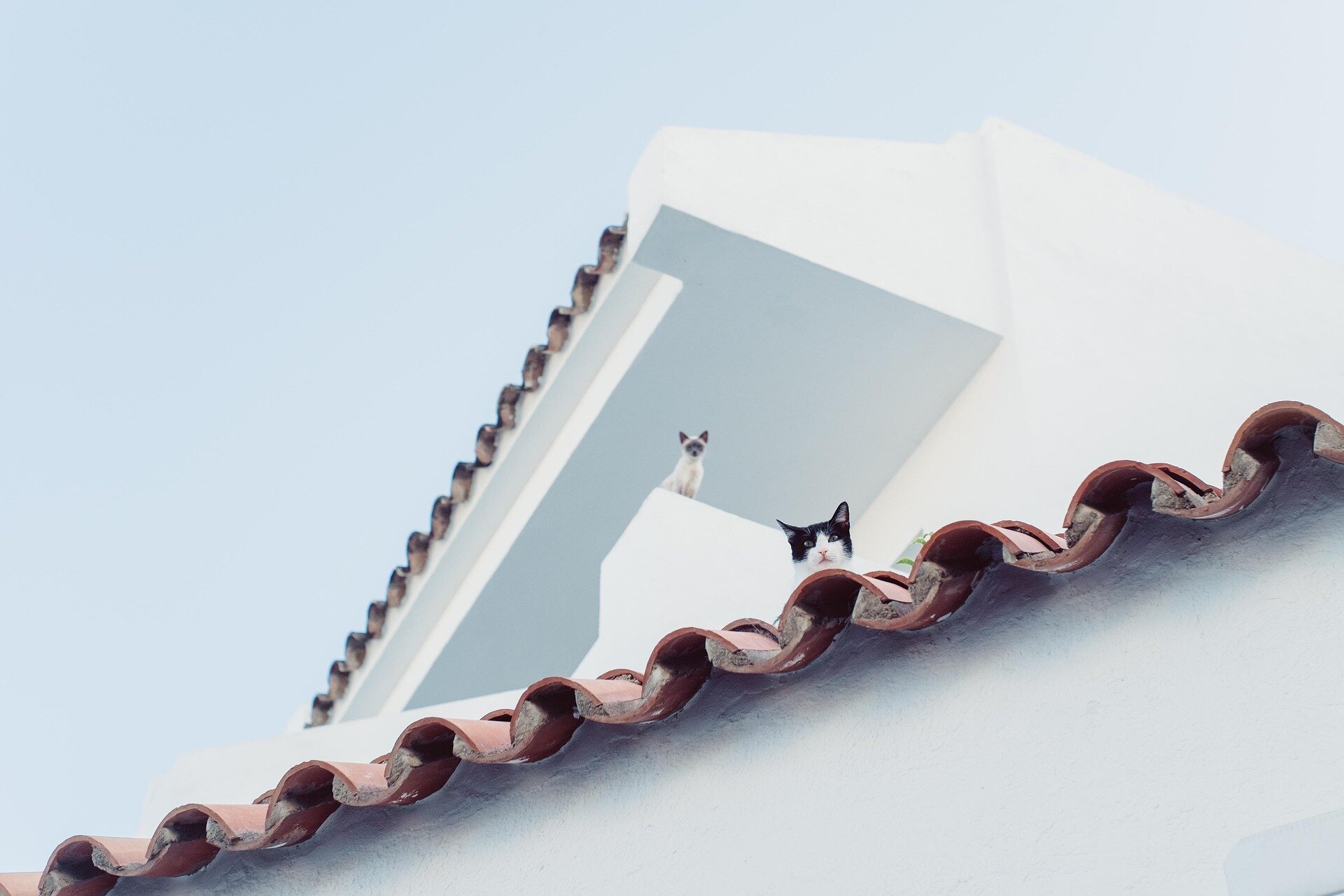
Reflective white roofs could cut daytime heat in Barcelona’s most exposed neighborhoods, but local cooling measures would fall far short of offsetting severe warming projected by the end of the century. A study led by the Institute of Environmental Science and Technology at the Universitat Autònoma de Barcelona found that urban design can reduce heat vulnerability, especially now, while its protective effect weakens under 2100 climate scenarios.
The research, conducted with the Servei Meteorològic de Catalunya and published in Urban Climate, modeled heat waves in the Barcelona metropolitan area using high-resolution weather simulations and the Pseudo Global Warming method. The researchers assessed three adaptation options: painting roofs white, adding irrigated green roofs, and expanding parks and peri-urban agriculture while adjusting urban tree cover in line with Barcelona’s Metropolitan Master Plan.
The study found that white roofs delivered the strongest daytime cooling among the measures tested. By raising roof albedo, they reflect more incoming solar radiation and can lower temperatures by as much as 1.75°C in the most vulnerable areas, according to the researchers.
The authors cautioned that reflective surfaces do not work the same way everywhere. White roofs cool rooftops, but applying highly reflective materials to facades could push more heat toward street level and worsen pedestrian exposure, the study said.
Green roofs had a smaller cooling effect in the simulations. The study found they reduced daytime heat by 0.37°C, while contributing to a nighttime temperature rise of 0.24°C.
According to the researchers, green roofs cool air through evapotranspiration and can insulate buildings, while also supporting biodiversity and shelter for birds and insects. Their performance depends on vegetation and irrigation needs, the study said.
Urban parks and peri-urban agriculture produced moderate cooling in the model, lowering temperatures by 0.26°C, while also slightly raising nighttime temperatures. The researchers said parks and agricultural areas can provide shade, reduce paved surfaces, improve rainwater infiltration and cool surrounding air through evapotranspiration.
Sergi Ventura, an ICTA-UAB researcher and the study’s lead author, said vegetation can release heat stored during the day after sunset and reduce radiative heat loss to the atmosphere. The study identified the combination of white roofs and urban parks as the most promising approach for the areas most sensitive to heat.
The findings also show limits to city-scale adaptation. The study said projected warming in the Barcelona area could exceed 6°C by 2100, and heat vulnerability could double in densely populated and low-income neighborhoods.
Under current climate conditions, the modeled adaptation strategies could reduce vulnerability by 43% to 47%, according to the study. Under the 2100 climate scenario, that reduction falls to 16%.
The researchers said the results show that targeted measures in high-risk neighborhoods can still reduce health risks even if they cannot neutralize extreme warming. Although the work focused on Barcelona, the authors said the findings may apply to cities with similar climates that are looking for lower-cost ways to protect residents from heat waves.
This story draws on original reporting from Phys.org.