
Avocado import rules pollution study finds cleaner water in Mexico
Researchers say 2016 U.S. avocado import standards coincided with lower nitrogen pollution near Mexican orchards.
By Tom Brennan · Health & Medicine Correspondent
3 min read
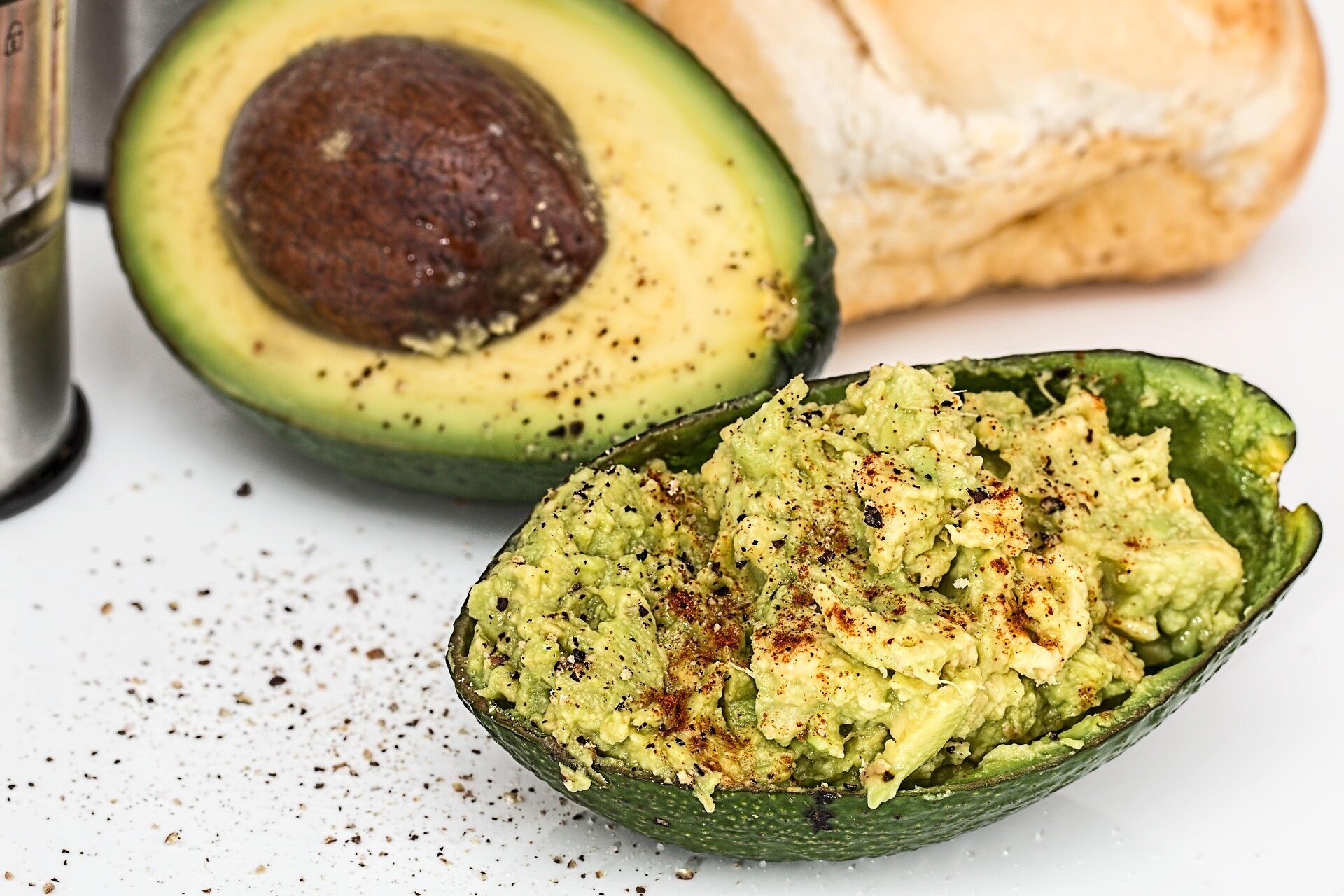
Avocado import rules pollution research points to an unexpected environmental effect of a 2016 U.S.-Mexico trade change: cleaner waterways near Mexican avocado farms. Environmental economist Jayash Paudel wrote in The Conversation that stricter U.S. standards for imported Mexican avocados appear to have helped cut nitrogen runoff from orchards supplying the American market.
Paudel, working with California Polytechnic State University agribusiness researcher William Townsend, compared water quality in Mexican municipalities that grow avocados with similar municipalities that do not. According to their research, nitrogen concentrations in waterways near avocado-growing areas fell by about 10% within a few years after the 2016 program, compared with changes in similar non-avocado areas.
How did avocado import rules reduce pollution?
The 2016 change allowed avocado imports from across Mexico if farms met U.S. Department of Agriculture production requirements. Before then, Michoacán was the only Mexican state authorized to export avocados to the United States, according to Paudel.
The rules required orchard certification, inspections at packing houses and ports, and phytosanitary certificates showing that shipments were free of pests targeted by U.S. regulators, including avocado weevils and fruit flies. Paudel wrote that growers had a strong reason to avoid routine heavy spraying because shipments that exceeded U.S. pesticide residue limits could be rejected at the border.
That system pushed farmers toward closer monitoring and more targeted pest treatment, according to Paudel and Townsend. They argue that reduced pesticide use also made heavy fertilizer use less valuable in avocado production, leading growers to apply less nitrogen and phosphorus.
Nitrogen and phosphorus can wash from farms into streams and rivers during rain. Paudel wrote that nitrogen pollution can feed algal blooms, reduce oxygen in waterways, harm fish and contaminate drinking water used by nearby communities.
What did the researchers compare?
Paudel said the study tested whether avocado-growing areas changed differently from otherwise similar places after the U.S. rules took effect. If some other national or regional factor had caused the water-quality shift, the researchers would have expected both groups of municipalities to show similar patterns.
Instead, according to Paudel, the decline was concentrated near avocado-growing municipalities. He wrote that a 10% reduction in nitrogen pollution in water corresponds to about a 6.6% reduction in nitrogen fertilizer use, citing prior research.
The finding cuts against a common concern in trade economics known as the pollution haven theory. That theory holds that richer countries with tighter domestic rules may shift dirty production to countries with weaker regulation; Paudel wrote that the avocado case showed a different result when access to a valuable export market came with enforceable standards.
Why the avocado market may be unusual
Paudel cautioned that the U.S.-Mexico avocado trade has features that may not apply to other crops. He wrote that demand is large, the crop is high value, the United States is the dominant buyer, and Mexico has a credible phytosanitary certification system for avocados.
About 90% of the 1.2 million metric tons of avocados Mexico produced in 2025 went to the United States, according to a U.S. Department of Agriculture report cited by Paudel. That market power made the threat of losing U.S. access more serious for growers.
Paudel also noted that Mexican avocado production still carries environmental and social costs. He cited links to drug cartels in some regions, deforestation tied to expanding groves, and higher water use in places where water is scarce.
The research arrives as the United States, Mexico and Canada discuss the future of their free trade agreement. Paudel wrote that the avocado example shows trade conditions can affect farming practices across borders when buyers attach clear and enforceable standards to market access.
This story draws on original reporting from Phys.org.