
Study finds limited early impact from Australia’s teen social media ban
BMJ research found little early evidence that Australia’s under-16 restrictions have reduced teen social media use.
By Lucas Ferreira · Science & Environment Writer
3 min read
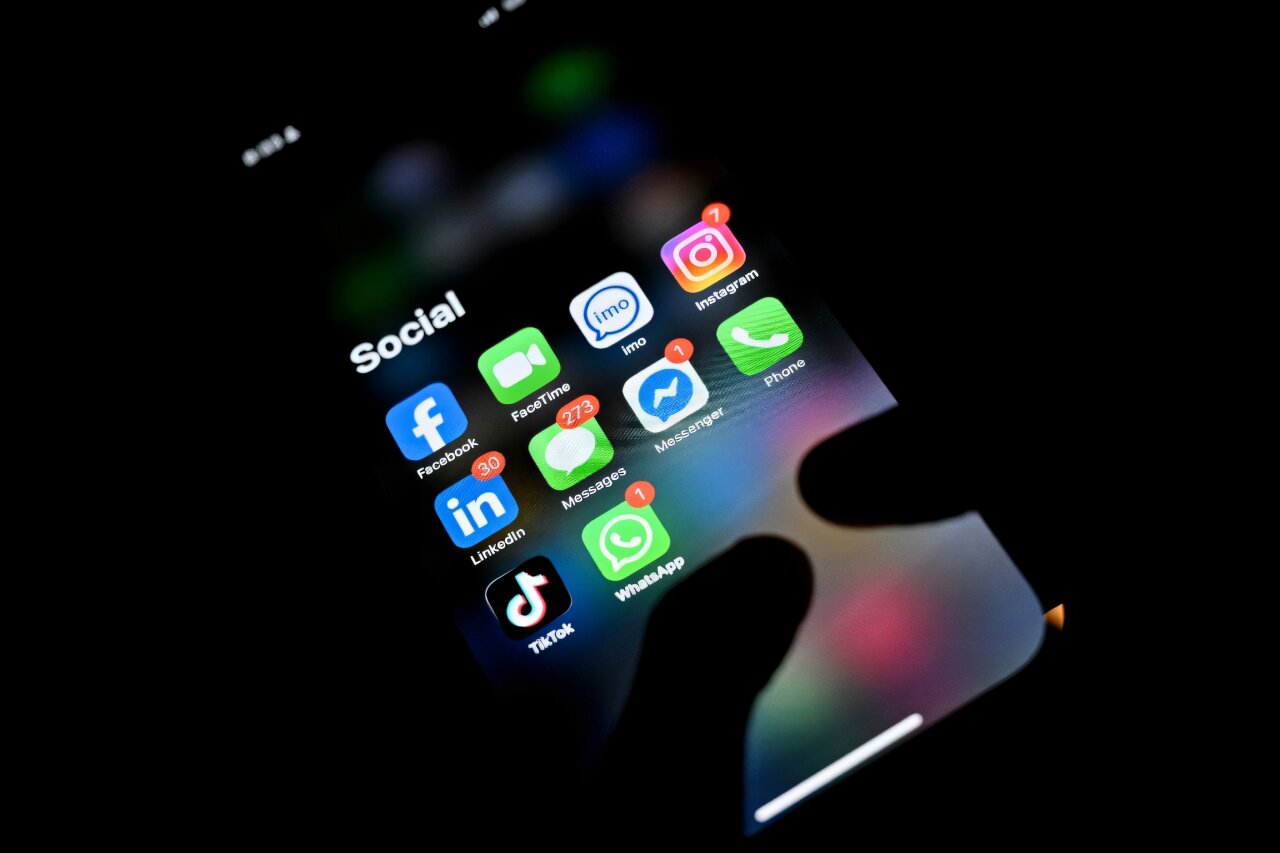
Australia’s ban on social media accounts for children under 16 has not yet produced a clear drop in teen use, according to researchers whose early evaluation was published in the British Medical Journal. The findings matter because governments elsewhere are watching Australia’s approach as they consider tighter rules for technology platforms.
Australia barred under-16s from platforms including Facebook, Instagram and TikTok in December, with officials saying the measure was meant to protect children from online bullying and what they described as predatory algorithms. The law places responsibility on social media companies to check that Australia-based users are at least 16.
In the peer-reviewed BMJ study, Australia-based researchers said they found “insufficient evidence” that exposure to the law had produced substantial early changes in social media use among adolescents under 16. They reported that some underage users were avoiding the restrictions by using accounts registered to older people, creating false accounts or accessing platforms through private browsers.
The researchers surveyed more than 400 young social media users just before the restrictions began and again three months later. They found little change among users ages 12 and 13, a small decline among those ages 14 and 15, and an increase among users 16 and older.
The study said the first months after the law took effect showed limited implementation, incomplete compliance and significant circumvention of the rules. Its publication details list Andy Burrows as the author of “Australia’s social media ban has not yet disrupted the status quo” in the BMJ.
Pressure on platforms
Technology companies face penalties of up to Aus$49.5 million, or $34 million, if they fail to show they have made meaningful efforts to keep underage users off their services. In March, Australia accused Facebook, TikTok and YouTube of failing to meet their obligations under the law.
Communications Minister Anika Wells said at the time that Australia’s social media laws were not failing, but that large technology companies were failing to obey them. She said age enforcement was not impossible or difficult for major technology firms, describing them as innovative billion-dollar companies.
Australia’s eSafety Commission also raised “significant concerns” about Facebook, Instagram, Snapchat, TikTok and YouTube, according to the report. Platforms have said they will comply with the rules, while warning that the restrictions could push teenagers toward less regulated areas of the internet.
Under the Australian system, social media companies must show they have taken “reasonable steps” to remove young teenagers from their platforms. Some services are using artificial intelligence tools to estimate a user’s age from photos, while users may also verify their age by uploading government identification.
Global attention
The Australian model has drawn interest from countries considering similar limits on youth social media use. The United Kingdom, Indonesia, the United Arab Emirates and New Zealand have either introduced or are considering related bans, according to the report.
The policy debate is being shaped by research linking heavy online time with harm to teen well-being. Supporters have welcomed Australia’s restrictions as help for parents concerned about children’s phone use, while platforms and critics have questioned whether bans can be enforced without unintended consequences.
This story draws on original reporting from Phys.org.