
Lebanon deconfliction plan tests push to curb Hezbollah arms
A US-backed channel aims to reduce Israel-Hezbollah flare-ups as Washington and Beirut keep pressing for Hezbollah to disarm.
By Sofia Marchetti · World Affairs Correspondent
3 min read
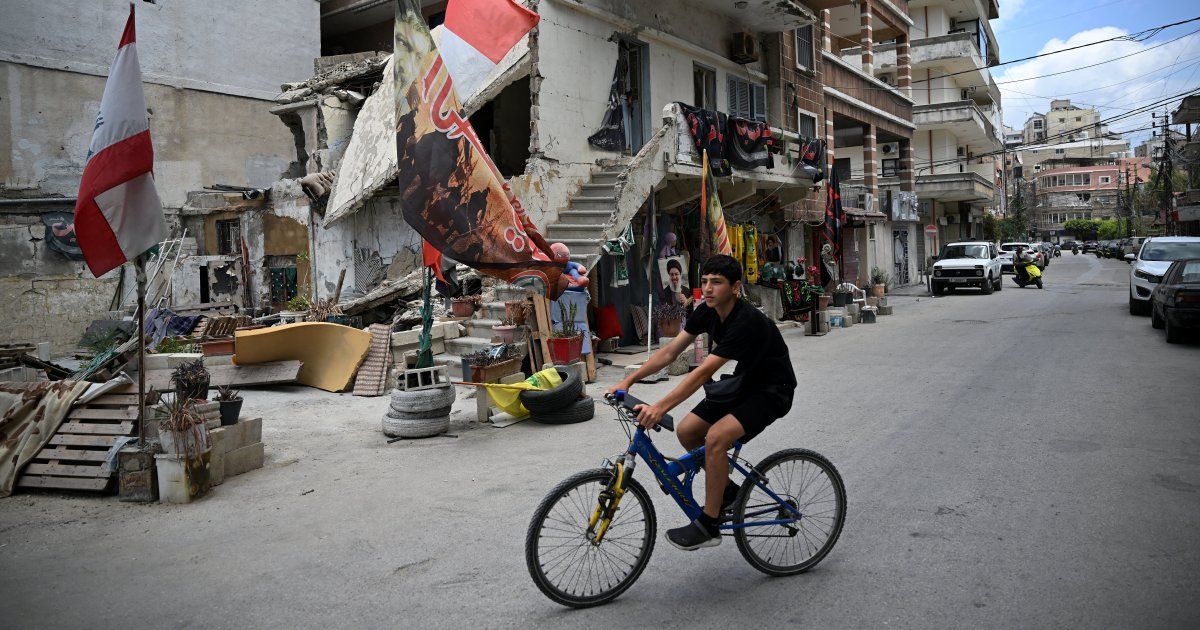
A US-backed deconfliction cell has been announced for Lebanon in an effort to keep Israel-Hezbollah incidents from expanding into wider fighting, Al Jazeera reported. The plan matters because Lebanon remains a potential flashpoint as the United States and Iran try to preserve a memorandum of understanding after months of regional conflict.
Al Jazeera reported that the mechanism is meant to give parties to the conflict a channel to communicate when violence occurs. Washington has supported the arrangement while also calling for Hezbollah to give up its weapons, a demand also backed by the Lebanese government.
US Vice President JD Vance endorsed the cell on Monday, saying the purpose was to make sure communication exists if Hezbollah fires at Israel, Israel responds, or other violence breaks out in the region. Vance said President Donald Trump had noted that some ceasefires mean parties are “shooting a little bit less,” according to Al Jazeera.
Ceasefire under strain
Al Jazeera reported that the United States has sought several times to establish a ceasefire in Lebanon, while Israel has continued strikes. According to the outlet, Israeli attacks have killed at least 4,192 people in Lebanon since the start of the US-Israel war on Iran four months ago.
Israel has carried out attacks in Lebanon at varying intensity since October 2023, after Hezbollah fired rockets into northern Israel following the outbreak of the Gaza war, Al Jazeera reported. Iran has warned that it will not allow Israel to keep attacking Lebanon without consequences, while Israel has rejected limits on its ability to strike in Lebanon or demands that it withdraw from territory it occupies there, according to the report.
Direct Lebanon-Israel talks continued this week in Washington, Al Jazeera reported. Hezbollah is not taking part and has formally opposed the talks, accusing Lebanese authorities in a Sunday statement of accepting US-imposed conditions that it said undermine Lebanese sovereignty.
Marc Weller, director of the Global Governance and Security Centre and programme director of the International Law Programme at Chatham House, told Al Jazeera that the deconfliction cell suggests the ceasefire effort has more substance than some observers expected. He called it a positive step aimed at reducing the risk of escalation.
Weller told Al Jazeera the mechanism should help deter provocations and keep any response limited if incidents occur. He said the United States would be expected to press Israel, while Iran would be expected to press Hezbollah.
Disarmament remains unresolved
The deconfliction effort does not settle the question of Hezbollah’s weapons. Al Jazeera reported that the United States and the Lebanese government still want Hezbollah’s arms brought under state authority, with Saudi Arabia, Egypt and other regional actors also supporting that goal.
Iran, Hezbollah’s main backer, opposes disarmament, according to Al Jazeera. Karim Safieddine, a nonresident fellow at the Tahrir Institute for Middle East Policy, told the outlet that he did not expect a clear moment when Hezbollah disarms, saying the group remains an organised mass movement even if its capabilities are weaker than in previous years.
Al Jazeera reported that US Secretary of State Marco Rubio previously floated a plan to train a special Lebanese force that would work to disarm Hezbollah. Nicholas Blanford, a nonresident fellow at the Atlantic Council and author of a book on Hezbollah, told Al Jazeera the proposal was a “non-starter” and said he could not see Lebanon accepting troops trained specifically to fight Hezbollah.
For now, the deconfliction cell gives Washington, Beirut and mediators a tool to contain violence. Al Jazeera reported that the larger dispute over Hezbollah’s arms remains open, leaving the ceasefire effort tied to a political question Lebanon has not resolved.
This story draws on original reporting from Al Jazeera.