
Study finds Australia's heat-to-rain whiplash is becoming more common
Researchers say rapid swings from heat waves to heavy rain now affect wider areas of Australia than they did a century ago.
By Tom Brennan · Health & Medicine Correspondent
3 min read
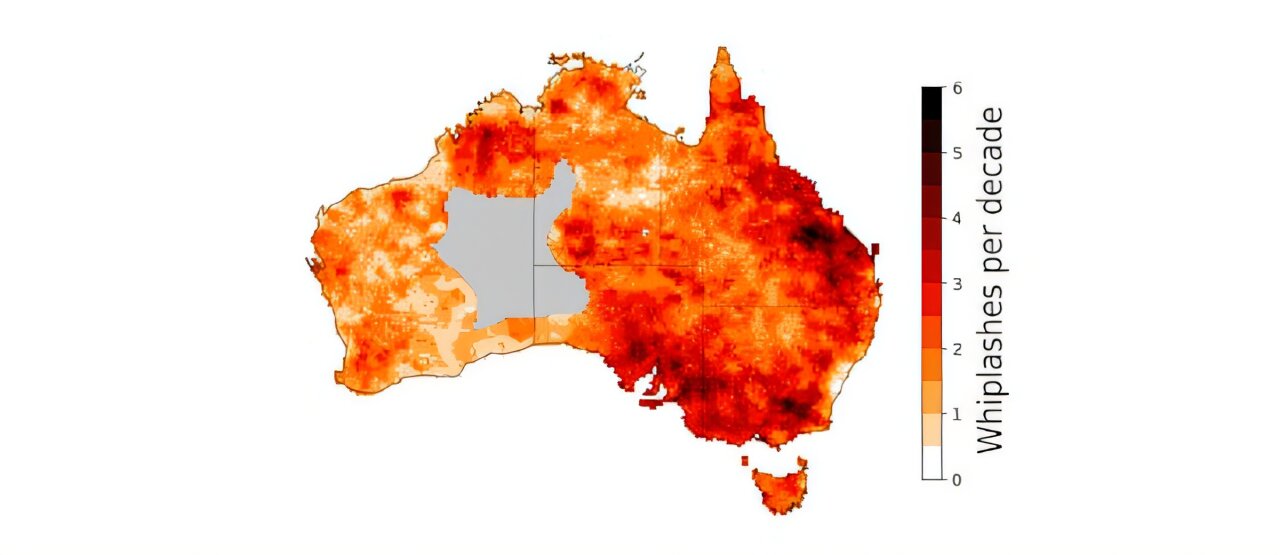
Rapid shifts from dangerous heat to heavy rain are becoming more common across Australia, according to a new climate study. The finding matters because floods, storms and runoff can hit communities, ecosystems and infrastructure while they are still under stress from heat or fire.
Juliana Neild, Alexander Borowiak, Andrew King and Linden Ashcroft reported in The Conversation that they examined “weather whiplash,” defined in their study as heavy rainfall arriving soon after a heat wave. Using Australian climate records beginning in 1910, the researchers identified hundreds of these events.
The team focused on the warm season, from October to April, when swings from heat into intense rain are most likely. They found that weather whiplash is a recurring feature of Australia’s climate and that it now affects larger areas than it did about 100 years ago.
Where the pattern is strongest
The researchers identified southeastern Australia as a major hotspot. In that region, they said, cold fronts can end heat waves and bring heavy rain across broad areas.
Southern Queensland recorded the highest number of whiplash events in the study. The researchers linked that exposure to its east coast position, where winds moving over the ocean can carry moisture inland and drive heavy rain.
In northern Australia, the study found a different pattern. The researchers said thunderstorms often clear out heat in the tropical north, producing rapid shifts from hot conditions to rain.
The study also looked at cities with large populations. According to the researchers, Cairns and Darwin have seen the largest increases, mainly because heat waves have become more frequent and intense while the climate has also become wetter. They also found that temperatures do not fall as much after heat waves as they once did.
Southern cities showed weaker trends, the researchers said, but whiplash events there tend to cover larger areas. That means more councils and states could face overlapping demands at the same time, reducing the ability of neighboring regions to help one another.
Why heat can be followed by rain
The study argues that these swings are not random. In parts of southeastern Australia, the researchers found that more than 20% of heat waves were followed by a whiplash event.
The team said the end of a heat wave is often tied to an unstable atmosphere. Hot air can hold more moisture, so rainfall that follows a heat wave can become intense.
Across southern Australia, the researchers said high-pressure systems that foster heat waves can be replaced by low-pressure systems. Those systems lift air and squeeze out moisture, often through large cold fronts.
Heat and fire can also make the damage from later rain worse, according to the researchers. Dry or burned ground can shed water quickly, increasing the risk of flash flooding when heavy rain arrives soon after.
The researchers pointed to the Victorian Otways last summer, where extreme heat, fires and floods occurred within two weeks, as a recent example of fast-changing hazards. They also said Australia has now had its second consecutive “whiplash summer.”
Heat waves remain one of Australia’s deadliest hazards. The researchers noted that extreme heat causes more deaths than all other natural hazards combined, while extreme rainfall can bring either relief or damaging floods.
The authors said their findings show why planning for extreme weather must account for sequences of events, not only single hazards. As the climate warms, they said, communities will need to prepare for extremes that arrive close together and amplify one another’s effects.
This story draws on original reporting from Phys.org.