
Remote stem cell lessons boost students’ science identity, study finds
UC Santa Cruz researchers say a livestreamed stem cell platform improved science identity, with strong gains among Hispanic and first-generation students.
By Lucas Ferreira · Science & Environment Writer
3 min read
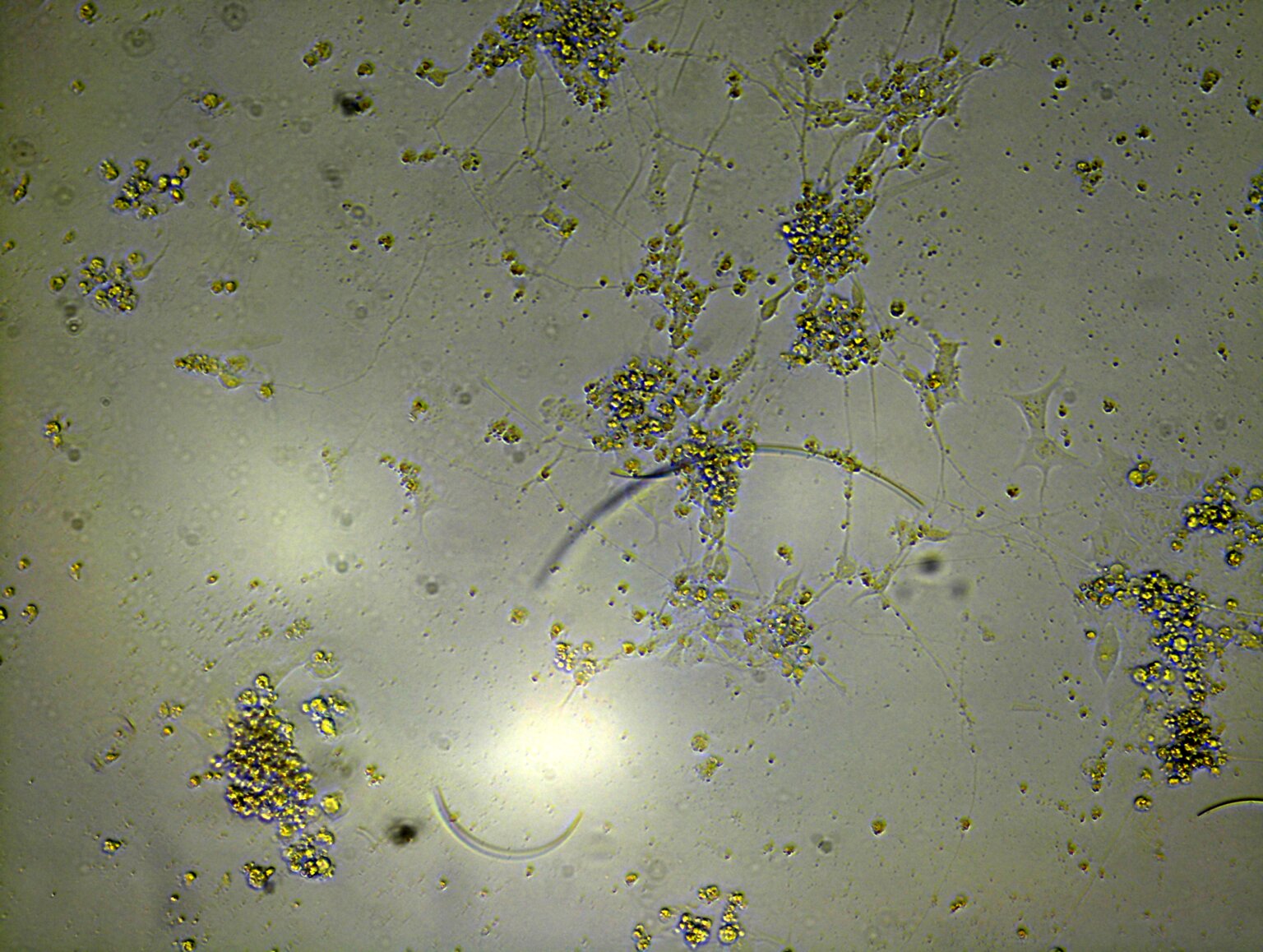
A remote stem cell teaching platform developed at UC Santa Cruz helped students see themselves more strongly as scientists, according to a new study in Stem Cell Reports. The finding matters because many high schools and community colleges lack the equipment, money and lab capacity to run advanced stem cell experiments, the university said.
The platform comes from the Braingeneers group at the UC Santa Cruz Genomics Institute. It lets students design parts of an experiment, then watch stem cells in a UC Santa Cruz lab through cloud-connected microscopes and a YouTube livestream, according to the university.
UC Santa Cruz said the project is being tested in lessons at Alisal High School in Salinas, Galileo Academy in San Francisco, Harbor High School in Santa Cruz, Stockdale High School in Bakersfield, Berkeley City College and four schools in Peru. The researchers said their goal is to widen access to complex biology lessons for students who might otherwise have little exposure to stem cell research.
How the classroom experiment works
The system grew out of research tools used by the Braingeneers group, UC Santa Cruz said. A team led by Genomics Institute researcher Mohammed Mostajo-Radji adapted the platform for education, while Baskin Engineering professor Mircea Teodorescu and former Ph.D. student Drew Ehrlich modified microscopy equipment so cells could be monitored in real time inside an incubator.
Samira Vera-Choqqueccota, a Ph.D. student in the Braingeneers group and first author of the study, created genetically engineered mouse stem cells that can become neurons in five days, according to UC Santa Cruz. The university said that shorter timeline made the work feasible for classrooms, since human stem cells can take weeks or months to differentiate into neurons.
Students first receive a lesson on stem cell biology from Vera-Choqqueccota, the university said. They then choose a compound to add to the cells as they develop into neurons and decide which changes they want to measure, such as movement, growth or connections between neurons.
Vera-Choqqueccota prepares the experiment in the lab, and students watch it by livestream for 48 to 72 hours, according to UC Santa Cruz. Afterward, they analyze the results and present what they found.
Erika Yeh, a Berkeley City College biology professor whose biotechnology students use the system, told UC Santa Cruz that students often want the videos after the livestream ends so they can examine the results more closely. Yeh said visits to the UC Santa Cruz lab also help students connect the remote experiment to a real research setting.
Survey measured science identity
To evaluate the lessons, the Braingeneers team developed the Stem Cell Research Identity Scale with UC Santa Cruz economics associate professor Kristian López Vargas, according to the university. The survey was designed to measure how strongly students identify as scientists and to compare effects across ethnicity, gender, native language and parental education.
The study found that the platform strengthened stem cell research identity overall, UC Santa Cruz said. The largest reported effects were among Hispanic students and first-generation college students, and the researchers also found that role models were especially important for Hispanic students.
Mostajo-Radji told UC Santa Cruz that the findings raise questions about representation in teaching materials and faculty ranks, especially at a Hispanic-serving institution. The university also pointed to Vladimir Luna-Gomez, who used the platform as an Alisal High student and is now a third-year UC Santa Cruz undergraduate and published researcher with the Braingeneers group.
The team is now extending the work in Peru, UC Santa Cruz said. With support from a UC Santa Cruz CITRIS grant, Vera-Choqqueccota has brought the lessons to two schools in Lima and two in the Peruvian highlands, including two all-girls schools.
The study, “Cloud-connected pluripotent stem cell platform enhances scientific identity in underrepresented students,” was published in Stem Cell Reports. Its DOI is 10.1016/j.stemcr.2026.102962.
This story draws on original reporting from Phys.org.