
Atlantic leatherback turtle alliance launches with Exeter lead
The new group will assess nesting, fishery bycatch and conservation priorities for leatherback turtles across the Atlantic.
By Tom Brennan · Health & Medicine Correspondent
3 min read
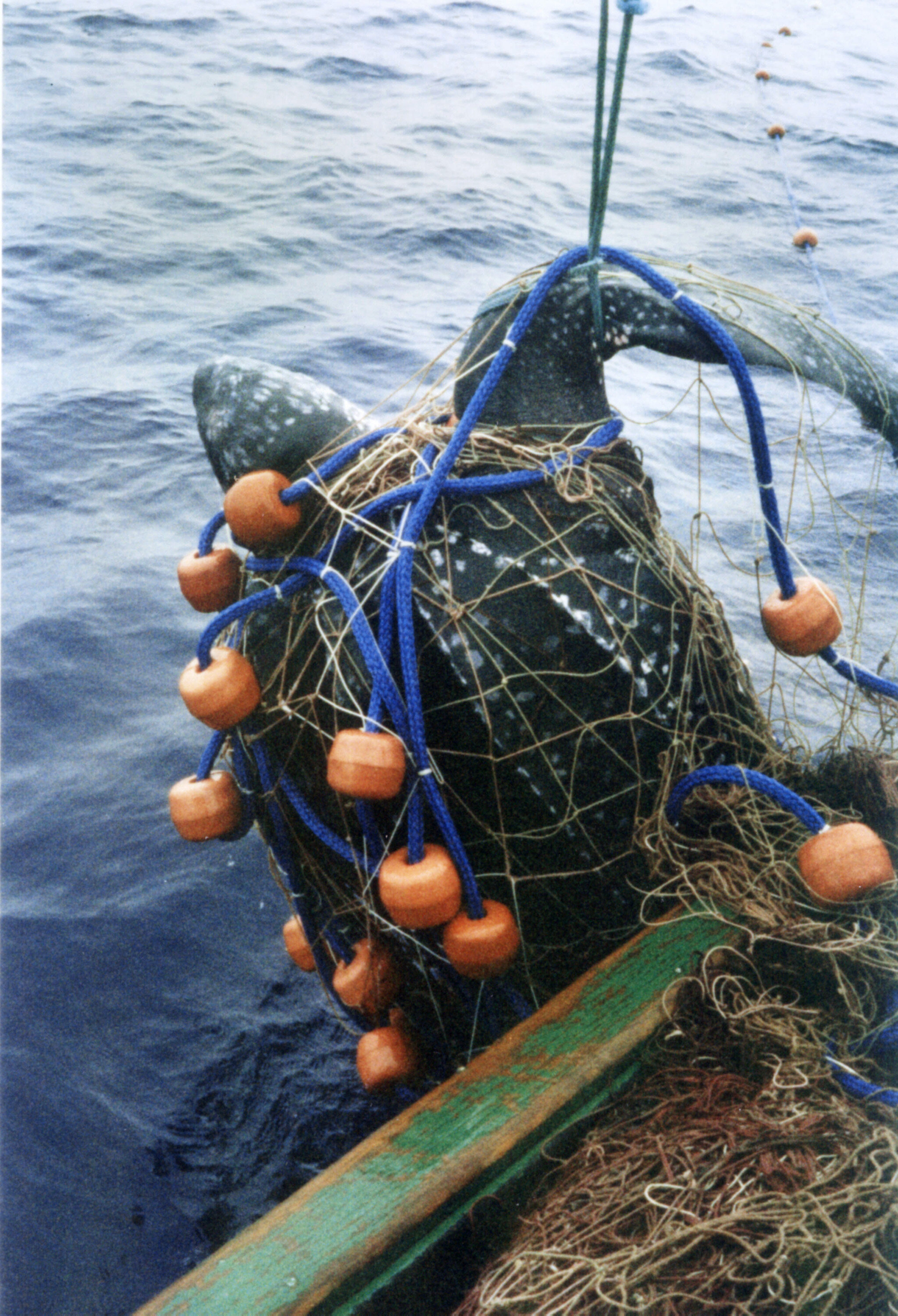
A new international alliance has formed to coordinate protection for leatherback turtles in the Atlantic Ocean, where several regional populations face severe conservation pressure. The University of Exeter said the Wilkes Atlantic Leatherback Turtle Alliance brings together more than 50 partner organizations in 25 countries around the Atlantic.
The alliance was launched on World Sea Turtle Day and is led by Exeter researchers. Its work is backed by the Wilkes Sea Turtle Protection Fund, according to the university.
Leatherback turtles are listed as vulnerable worldwide on the IUCN Red List of Threatened Species. Regional assessments cited by Exeter show a more uneven picture in the Atlantic: the northwest Atlantic subpopulation was listed as endangered in 2019, the southwest Atlantic as critically endangered in 2013, and the southeast Atlantic as data deficient in 2013.
Assessments planned across the ocean
Exeter said the alliance will address gaps in the current picture of Atlantic leatherback conservation. The group plans to produce updated information on nesting, review evidence on accidental capture in fisheries, and identify priority actions for conservation.
The planned work includes:
- An updated assessment of Atlantic leatherback turtle nesting.
- An ocean-wide review of evidence on leatherback bycatch in fishing gear.
- An assessment of priority actions for conservation groups, governments and other decision-makers.
Professor Annette Broderick, from Exeter’s Center for Ecology and Conservation at the Penryn Campus in Cornwall, said Pacific leatherbacks have declined for decades, while the Atlantic population had until recently appeared to be faring better. She said recent warning signs make an ocean-wide assessment necessary to understand how different populations are responding to threats and conservation efforts.
Broderick said the information could help direct conservation work toward key turtle populations or places with serious bycatch problems.
Fishing bycatch among main threats
Exeter said Atlantic leatherbacks face several pressures, with accidental capture in both industrial and small-scale fisheries standing out as a major threat. Other pressures listed by the university include coastal development, damage to nesting sites, some harvesting of adults and eggs, climate change, boat strikes and marine pollution.
Professor Brendan Godley said Exeter researchers have worked for decades on leatherback studies across Atlantic regions with local conservation groups, communities and governments. He said the alliance is extending that network across Europe, Africa and the Americas.
Godley also said the response from collaborators shows the initiative is timely. He added that the alliance could support urgent research at a time when funding for international work of this kind is being reduced.
Adrian Wilkes, head of the Wilkes Sea Turtle Protection Fund, said he is concerned about the future of Atlantic leatherbacks and is supporting the team led by Godley and Broderick. He said the alliance aims to shape policies and actions to protect the species, with governments and the fishing industry among the key audiences for its research.
The alliance’s mission statement says it will advance protection of Atlantic leatherbacks through international research, strategic action planning and evidence-based advocacy. The Wilkes Atlantic Leatherback Turtle Alliance said it wants to hear from potential partners around the Atlantic, including fishers, policymakers and donors.
This story draws on original reporting from Phys.org.