
Gaza children risk missing hearing treatment window after blasts
Doctors and aid workers say blast-related hearing loss is rising among Gaza children as devices, surgery and rehabilitation remain hard to access.
By Lucas Ferreira · Science & Environment Writer
3 min read
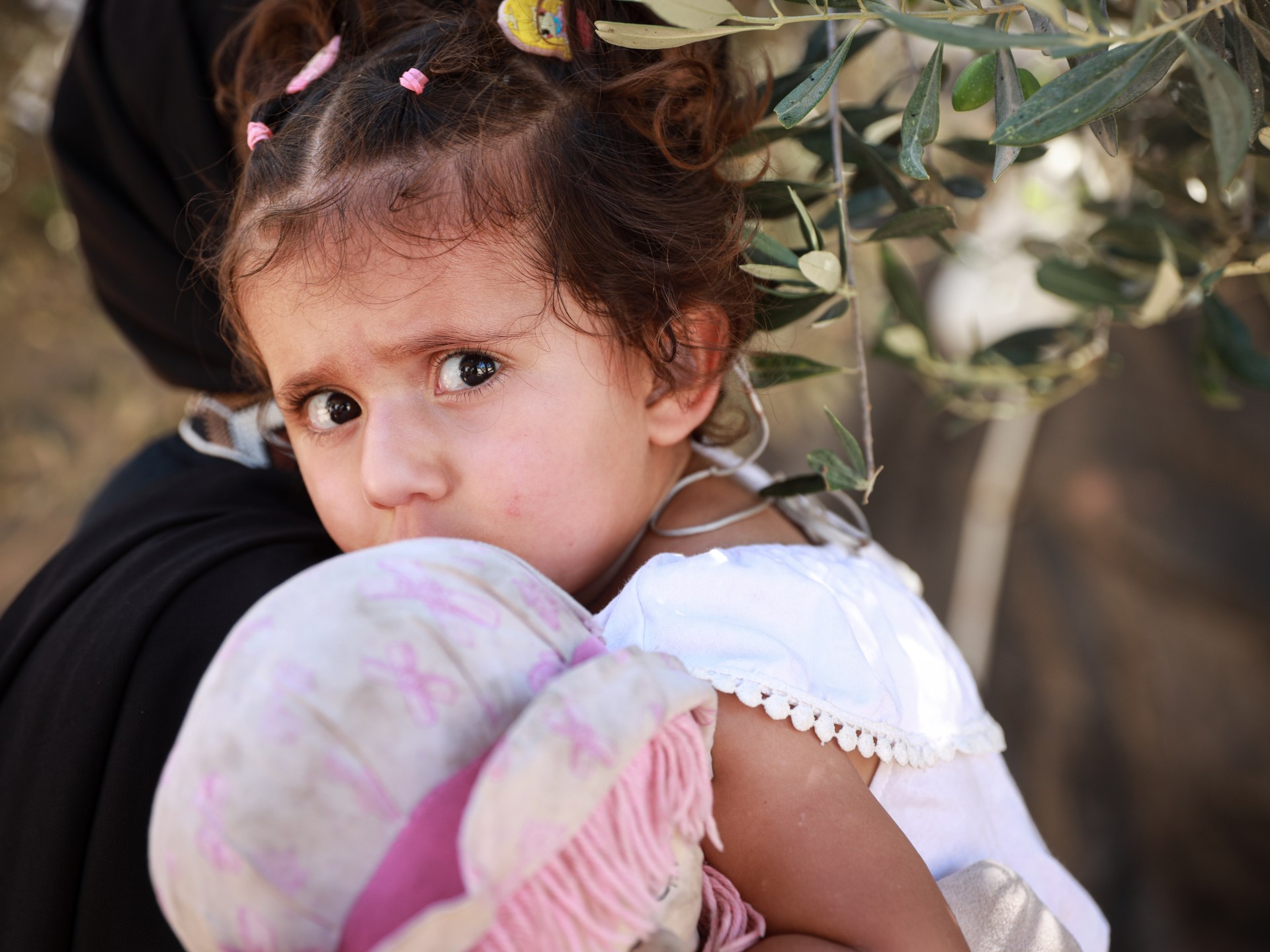
Children in Gaza who lost hearing after explosions are at risk of missing the narrow period when treatment can protect speech and language development, doctors and disability advocates told Al Jazeera. Families say they are waiting for medical referrals, hearing devices and cochlear implant surgery while Gaza’s health services remain badly disrupted.
Al Jazeera reported the case of Wateen al-Ajrami, who was a little over one year old when an Israeli strike hit near a storage room in Jabalia where her extended family had taken shelter in August last year. Her mother, Mariam, said Wateen had no visible wounds, but within days stopped responding when relatives called or spoke to her.
A specialist later found that Wateen had lost most of her hearing, according to her mother. The reported loss was about 85 percent in the left ear and 90 percent in the right, a level generally considered severe to profound.
Mariam said doctors linked the injury to the force of the blast. Wateen later underwent more tests and an MRI, and medical reports were sent to the World Health Organization in an effort to secure treatment outside Gaza, Al Jazeera reported.
Blast exposure adds to disability risks
United Nations agencies and health groups estimate that more children in Gaza are experiencing partial or total hearing loss after exposure to explosions and heavy bombardment, according to Al Jazeera. Medical groups working in Gaza say blast waves can damage the inner ear and may also be associated with brain injury and severe psychological trauma.
Rehabilitation centres and specialist associations estimated that about 20,000 people in Gaza had hearing disabilities before the war, Al Jazeera reported. Field workers now estimate the number of people with hearing loss or impairment at 30,000 to 40,000, including many children.
Fadel Kuraz, a sign language interpreter and disability rights activist with the Atfaluna Society for Deaf Children, told Al Jazeera that field estimates put the current number at about 35,000. He said repeated explosions and bombardment had driven a sharp rise in cases and left many people unable to communicate easily with those around them.
Aid groups also say hearing loss creates direct safety risks during war. Children who cannot hear aircraft, blasts, evacuation calls, vehicles or other warnings may not react quickly to danger.
Al Jazeera reported the case of Usaid al-Shami, a three-year-old whose mother, also named Mariam, said he lost most of his hearing at about four months old during intense fighting in southern Gaza. She said he once failed to hear dogs barking and has narrowly avoided accidents involving cars and motorbikes he could not hear approaching.
Shortages and travel barriers
Groups assisting deaf and hard-of-hearing people in Gaza report shortages of hearing aids, batteries and cochlear implant parts because of import restrictions, according to Al Jazeera. Kuraz said policies limiting the entry of assistive devices, implants and spare parts had worsened the situation, and that even hearing aid batteries were difficult to find.
Many centres that provided diagnosis, speech therapy, psychological support and education have been damaged or closed, Kuraz said. That reduces follow-up care for new cases, especially young children who need early intervention.
Wateen is receiving speech and auditory rehabilitation at Hamad Hospital in Gaza, where specialists are working to build her response to sound and communication skills, Al Jazeera reported. She has received two hearing aids, which her family says have improved some responses, but doctors say hearing aids are not enough in her case.
Doctors say both Wateen and Usaid need cochlear implant surgery outside Gaza, according to Al Jazeera. Israel continues to restrict Palestinians in Gaza from leaving the territory, including for medical treatment, and doctors recommend cochlear implantation before age five for the best chance of success.
For Wateen’s family, that deadline has become the central worry. Her mother told Al Jazeera that she fears delays will affect her daughter’s ability to hear, learn and speak as she grows.
This story draws on original reporting from Al Jazeera.