
Assyrian King List discovery identifies three omitted kings
Researchers say three short-lived Assyrian rulers were left out of the king list, changing how scholars read imperial chronology.
By Lucas Ferreira · Science & Environment Writer
3 min read
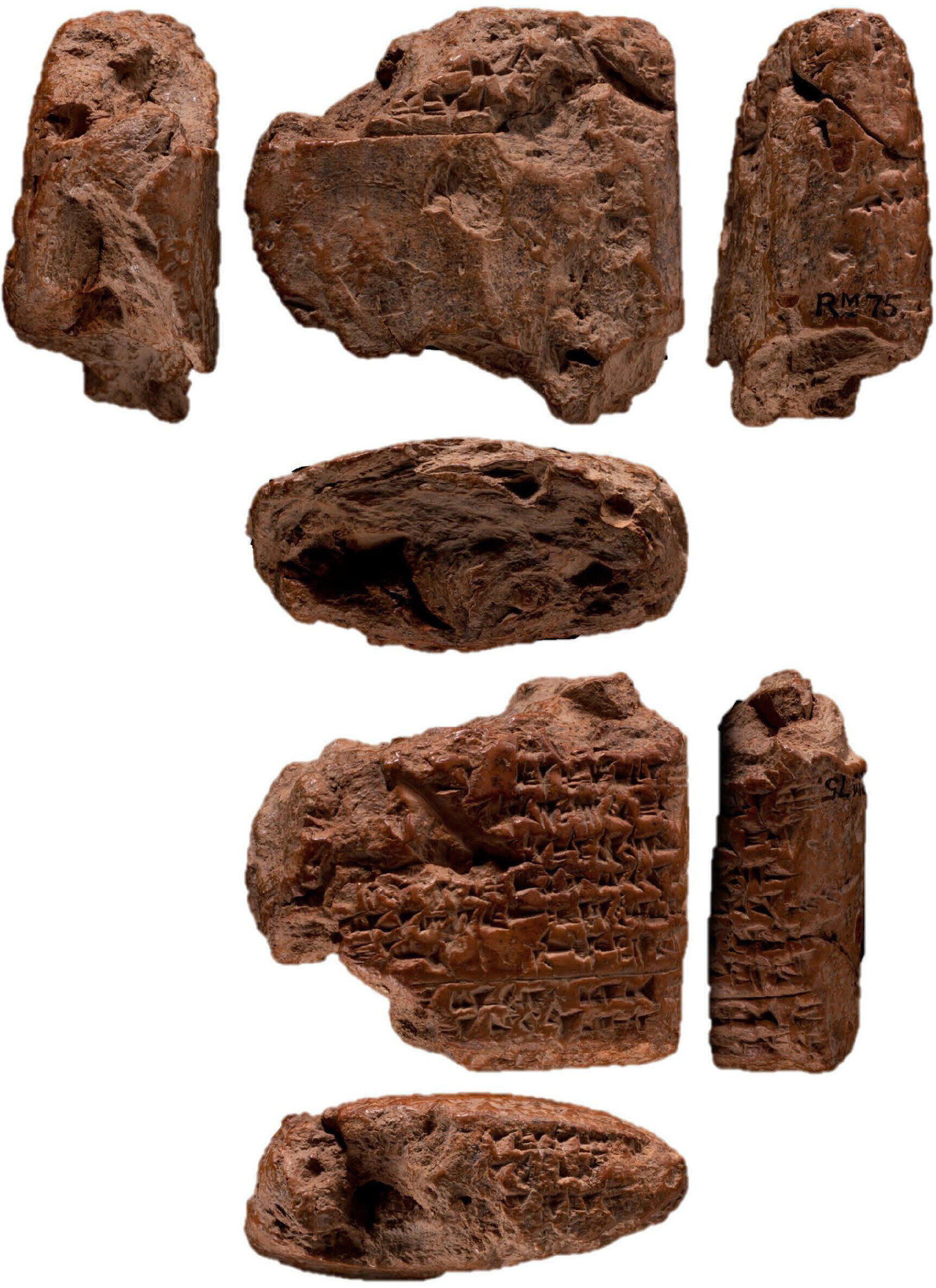
A new Assyrian King List discovery identifies three rulers who do not appear in the standard record of Assyrian monarchs. The finding matters because researchers have used the list for about a century as a key guide to Assyrian chronology, especially for later periods of the empire.
Alexander Johannes Edmonds and Eckart Frahm make the case in a study published in the Journal of Cuneiform Studies, according to the University of Chicago. They argue that evidence from tablets, a stela and a damaged statue points to rulers whose reigns were omitted from the official list.
What is the Assyrian King List?
The Assyrian King List is a record of Assyrian rulers and their sequence of reigns. Scholars have treated it as a central chronological framework, but Edmonds and Frahm say the new evidence suggests it also reflected political choices about which kings counted as legitimate.
The study proposes that the list may have functioned as a canon of accepted kings rather than a neutral timeline. The authors say it appears to have been updated in ways that excluded brief or rival Neo-Assyrian rulers.
Which kings were missing from the Assyrian King List?
The first case concerns a ruler who called himself Tiglath-pileser, taking the name of an earlier Assyrian king, according to Edmonds and Frahm. They say he ruled at the same time as Aššur-dān III, his nephew, and tried to displace him after a solar eclipse viewed as ominous.
The evidence for this Tiglath-pileser includes a clay tablet in the British Museum bearing a royal grant, the University of Chicago reported. Edmonds and Frahm date his rule to roughly 763–762 BCE and say he was later removed from power.
The second proposed missing ruler is a Shalmaneser who, according to the study, reigned just before Tiglath-pileser III came to the throne in 745 BCE. Edmonds and Frahm connect him to a stela found in 1894 at Tell 'Abta in Iraq, where scholars had long debated why the name of one Assyrian ruler had been overwritten with that of another Tiglath-pileser.
The authors say recognizing this otherwise absent Shalmaneser resolves that problem. In their reconstruction, the overwritten inscription reflects a transition that the Assyrian King List did not preserve.
The third ruler is Aššur-uballiṭ, whom Edmonds and Frahm place around 913–912 BCE. Their argument begins with a cuneiform text in which Tukultī-Ninurta II says a libation vessel first made by Tukultī-Ninurta I had later been restored by Aššur-uballiṭ.
No king of that name appears in the Assyrian King List between Tukultī-Ninurta I and Tukultī-Ninurta II, according to the study. Edmonds and Frahm say a short reign by a previously unrecognized Aššur-uballiṭ would explain the vessel reference and may also identify the king shown by a headless, worn statue found at Aššur.
Why the omissions matter
The proposed additions complicate early Neo-Assyrian political history. Rather than a clean succession of rulers, Edmonds and Frahm describe a period that included short reigns, rival claims and later efforts to shape royal memory.
The University of Chicago said the findings reopen questions about how Assyrians decided which rulers belonged in the official sequence. Edmonds and Frahm say the revised picture gives scholars new ways to study kingship, legitimacy and historical memory in the formation of the Assyrian Empire.
This story draws on original reporting from Phys.org.