
Argo Program ocean health network needs sustained support, experts say
An Oceanography commentary says Argo’s 4,200-plus robotic floats remain central to tracking ocean change and should be sustained and expanded.
By Tom Brennan · Health & Medicine Correspondent
3 min read
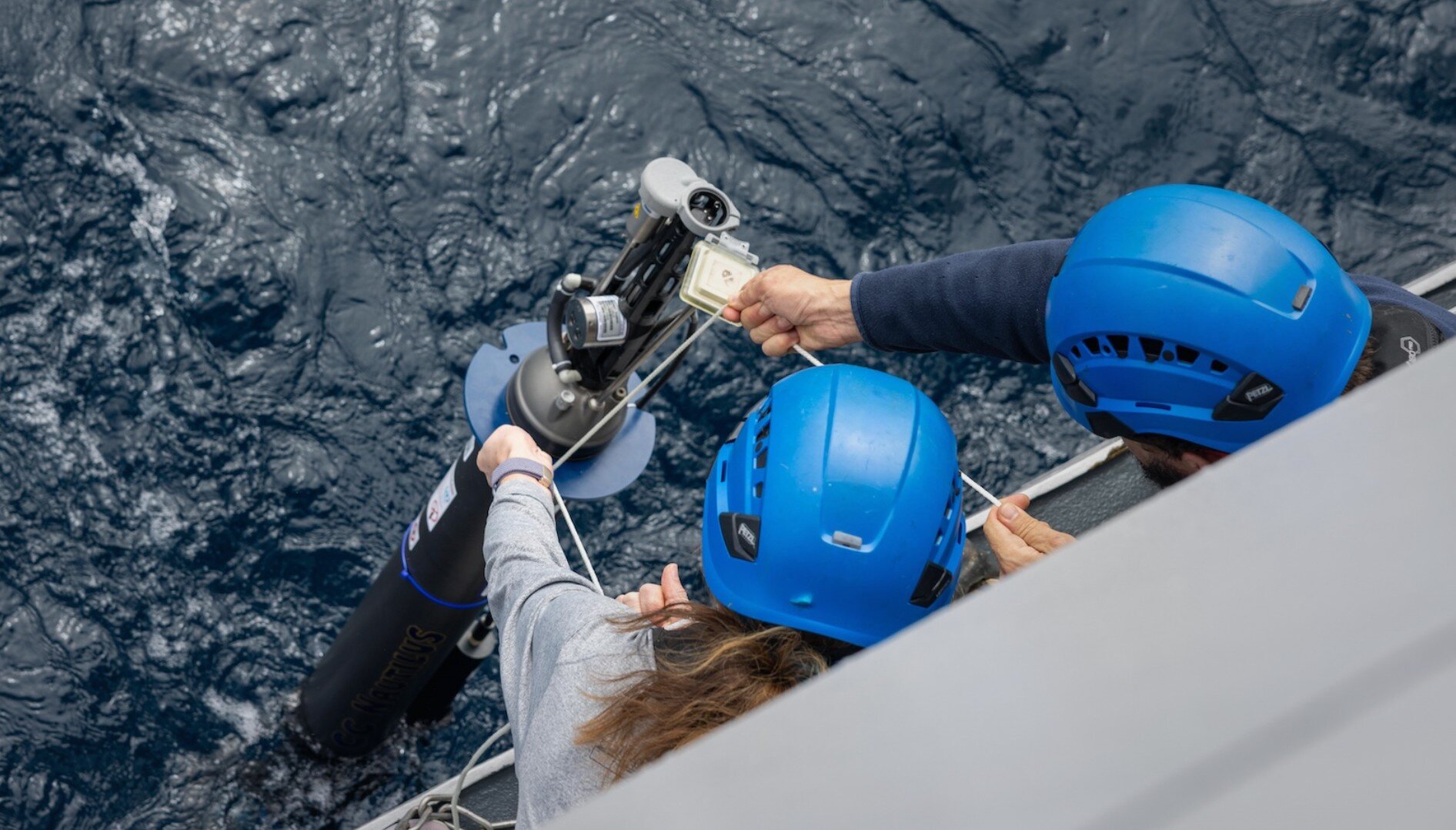
Researchers say the Argo Program ocean health network has become a main source of global ocean data and needs continued support as the climate changes. In a commentary published in Oceanography, members of the US Climate Variability and Predictability Program, known as US CLIVAR, said the observing system should be sustained and expanded to keep high-quality ocean measurements flowing.
The Monterey Bay Aquarium Research Institute said Argo now supports more than 4,200 robotic floats that collect data on conditions across the world’s oceans. Those observations help scientists study ocean warming, improve weather and climate forecasts, monitor sea level rise and assess the ocean’s role in Earth’s changing climate, according to MBARI.
What is the Argo Program?
The Argo Program is an international ocean-observing effort launched in 1999, according to MBARI. Its autonomous floats measure ocean temperature, salinity and currents, then provide publicly available data used by researchers worldwide.
MBARI said the program has produced detailed oceanographic data for more than 25 years. The institute described Argo as the dominant source of ocean data for scientists working to assess and track global ocean health.
How Argo is expanding its measurements
Argo began with a focus on the upper ocean, according to MBARI. The program is now expanding to include deep-ocean observations and biogeochemical measurements, which can show how the ocean stores carbon, moves nutrients and supports marine life.
Biogeochemical measurements track ocean chemistry and biological indicators, rather than only physical conditions such as temperature and salinity. MBARI said floats equipped for that work can measure oxygen, pH, nitrate, chlorophyll and other signs tied to ocean health.
MBARI Senior Scientist Ken Johnson is co-chair of the Biogeochemical Argo mission team and principal investigator for the Global Ocean Biogeochemistry Array project, known as GO-BGC, the institute said. MBARI also said its researchers have developed advanced chemical sensors used on biogeochemical Argo floats.
Who is calling for sustained ocean observations?
The commentary was written by researchers from the Phenomena, Observations and Synthesis Panel of US CLIVAR, according to MBARI. The authors highlighted Argo’s scientific, operational and societal contributions and argued for keeping the global observing system strong enough to provide continuous ocean records.
MBARI Senior Research Specialist Monique Messié contributed to the commentary, the institute said. Messié leads MBARI’s Data Integration and Interdisciplinary Oceanography Team, was a member of the US CLIVAR panel for six years and served as its co-chair from 2024 to 2026, according to MBARI.
The publication is listed as “Argo at a Crossroads: Achievements, Impacts, and the Imperative for Sustained Global Ocean Observations” by Lilian Dove and co-authors in Oceanography. The journal record gives the DOI as 10.5670/oceanog.2026.e207.
For ocean researchers, the case for Argo rests on continuity, according to the commentary as described by MBARI. Long-running, publicly available measurements let scientists compare today’s ocean with past conditions and track changes that affect forecasts, climate studies and marine ecosystems.
This story draws on original reporting from Phys.org.