
Arctic Ocean 2050 expedition heads for the North Pole
Norway’s R/V Kronprins Haakon has begun a 50-day Arctic mission to study retreating sea ice, biodiversity and future ocean use.
By Tom Brennan · Health & Medicine Correspondent
3 min read
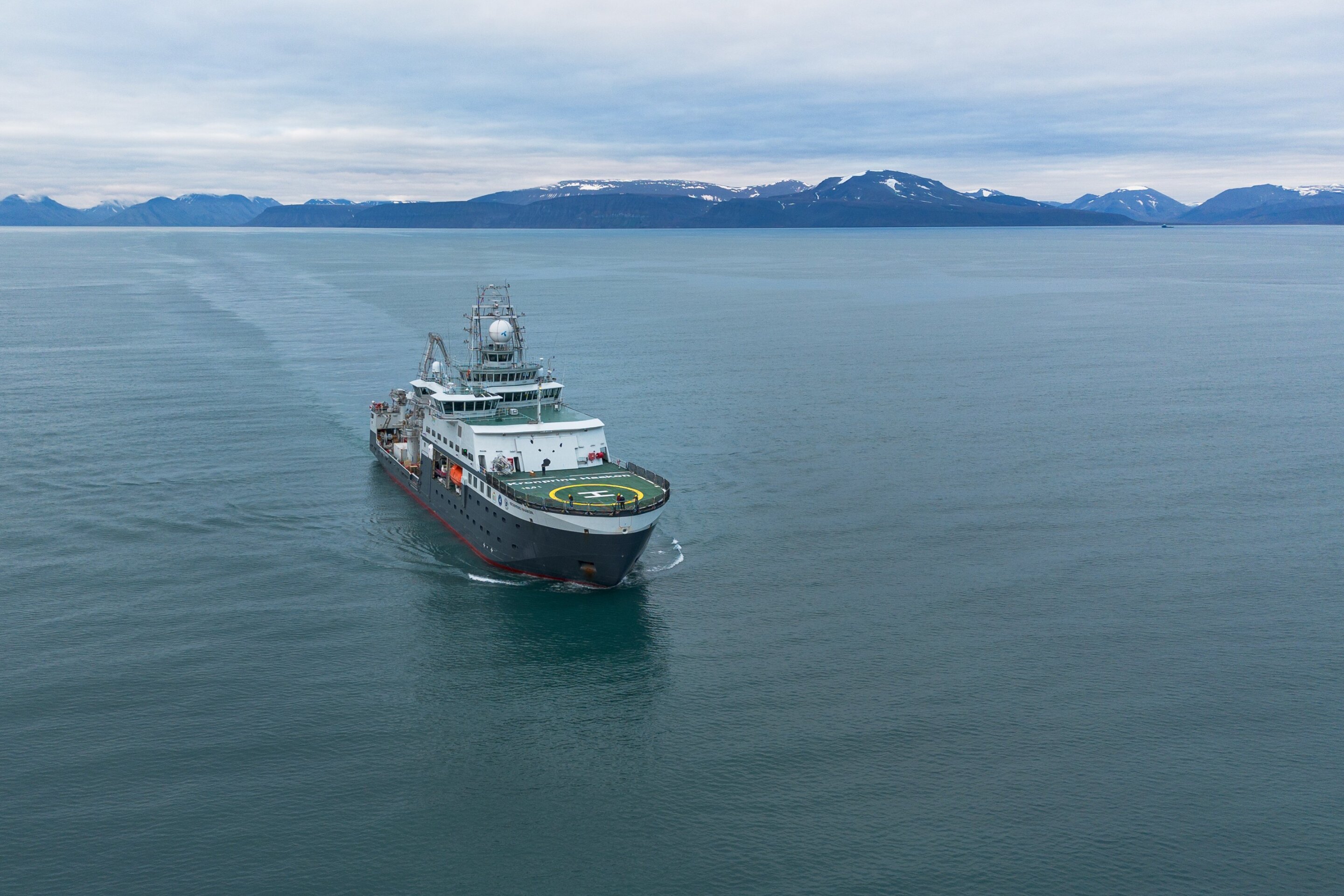
The first Arctic Ocean 2050 expedition is under way, with Norway’s R/V Kronprins Haakon sailing from Longyearbyen toward the North Pole for a 50-day research mission. UiT The Arctic University of Norway said the voyage is meant to build evidence on how shrinking sea ice is changing ecosystems and future human activity in the central Arctic Ocean.
The vessel left the coal quay in Longyearbyen on July 23 with about 30 researchers and 20 crew members aboard, according to UiT. The work is part of Polhavet 2050, a 10-year research program involving 18 Norwegian research institutions.
UiT said satellite observations show the central Arctic Ocean is shifting quickly from a largely white, ice-covered ocean toward a bluer and more ice-free one. Expedition leader Paul Dodd of the Norwegian Polar Institute said the program aims to explain what the retreat of sea ice means for biodiversity and for activities such as resource use and shipping.
What is the Arctic Ocean 2050 expedition studying?
The expedition is studying the Arctic Ocean as a connected system, from the surface waters and sea ice down to the deep seabed. Researchers plan to collect physical, chemical and biological data to understand how warming water, less ice and changing species distributions are reshaping the region.
UiT said the team will travel farther west than earlier expeditions to gather samples and measurements. The researchers will collect water, ice cores, sediment and plankton using nets, trawls and newer autonomous instruments that can keep recording through seasons when scientists are not on site.
Five UiT researchers are on board, including the full sea-ice biology group, the university said. Other participants come from the Norwegian Polar Institute, the University of Bergen, the University of Oslo, the Norwegian University of Science and Technology and the University Centre in Svalbard.
Why does year-round Arctic data matter?
Morven Muilwijk, a researcher at the Norwegian Polar Institute, said Arctic Ocean research has often focused on summer, while major changes happen across the year. UiT said the expedition will recover moored instruments that have been collecting continuous data since 2024 and deploy new ones to extend the record.
Anette Wold, chief engineer at the Norwegian Polar Institute and deputy expedition leader, said long time series are needed to detect change in the ocean. A single year provides limited insight, while repeated measurements can show how conditions are developing over time, according to UiT.
The research also connects to policy decisions. Dodd said international agreements on biodiversity beyond national jurisdictions, along with global targets to protect 30% of the world’s oceans, require strong scientific evidence.
What will researchers look for on the deep seabed?
Some instruments will be lowered nearly 4,000 meters, or about 13,100 feet, to the seafloor, according to UiT. There, scientists will take sediment samples to identify deep-living species, assess diversity and examine how the seabed ecosystem works.
Arunima Sen, an associate professor at UNIS, leads the work on carbon cycling at the seabed. UiT said the team will measure oxygen use in sediment cores to study how much carbon is stored in the seabed and how much returns to the ocean.
The 2026 voyage opens the broader Polhavet 2050 program, which Dodd described as a broad, interdisciplinary start before later, more specialized expeditions. UiT said the program is also Norway’s contribution to international polar research ahead of the next International Polar Year in 2032–2033.
Dodd said the Arctic Ocean is linked to the wider climate system through greenhouse gas emissions, warmer Atlantic water, human activity, ocean circulation and freshwater input. Changes in the region can therefore affect conditions beyond the Arctic, according to UiT.
This story draws on original reporting from Phys.org.