
AI-designed viruses put biosecurity safeguards under scrutiny
AI-designed bacteriophages worked in lab tests against E. coli, prompting calls for safeguards from model access to outbreak surveillance.
By Lucas Ferreira · Science & Environment Writer
3 min read
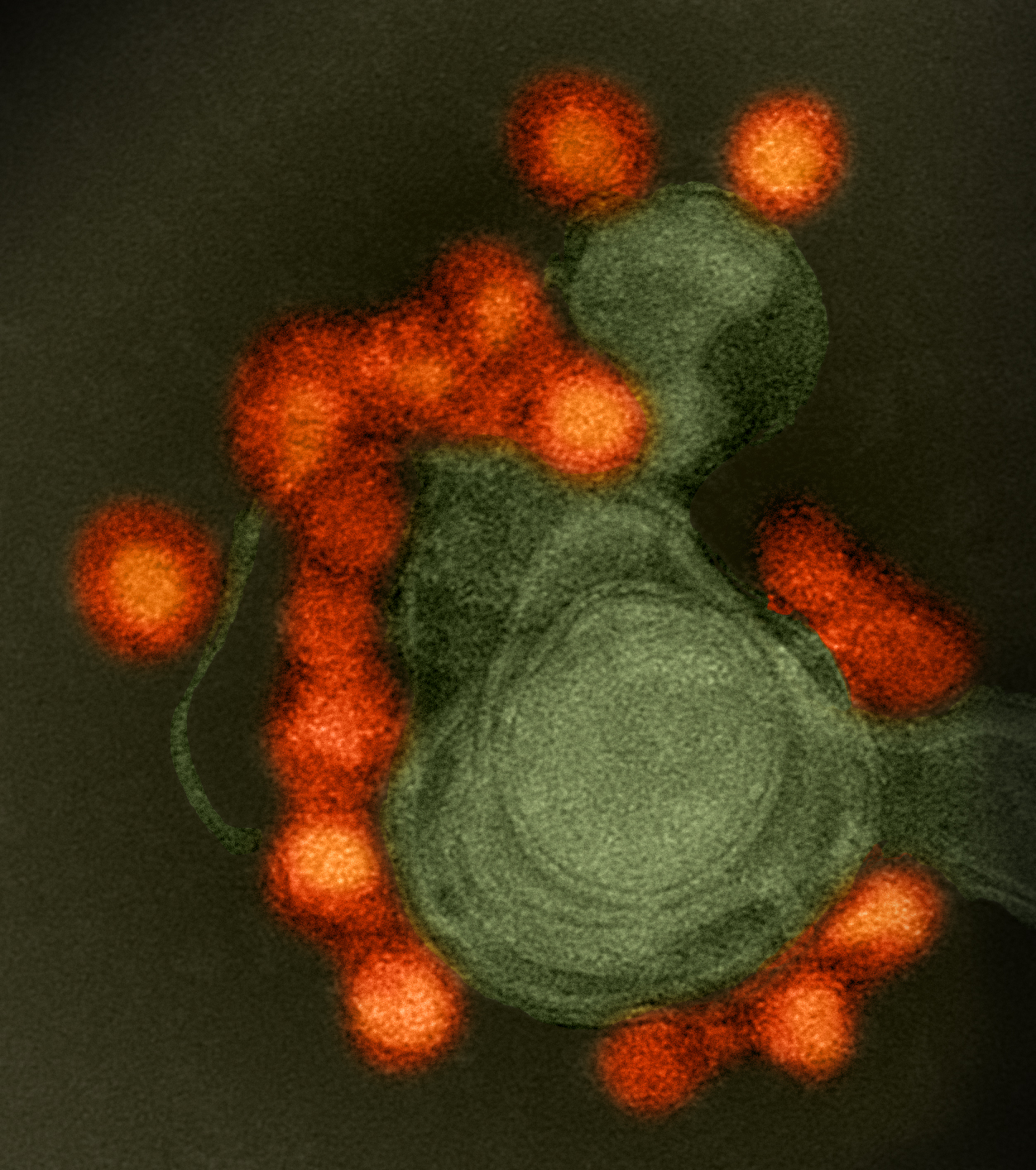
AI-designed viruses have produced working bacteriophages in laboratory tests, adding urgency to questions about whether biosecurity can keep pace. The result involved viruses that infect E. coli, not people, and does not show that artificial intelligence can create a pandemic virus.
Researchers used AI genome models to generate complete genetic designs for bacteriophages, then built selected designs in the laboratory, according to reporting by The Guardian and The Conversation. Of nearly 300 AI-generated genomes chosen for laboratory construction, 16 yielded viable bacteriophages, The Guardian reported.
The viable viruses were tested against two E. coli strains that had resisted natural bacteriophages. A mixture of the AI-designed phages overcame that resistance in dish tests, The Guardian reported. Bacteriophages are viruses that infect bacteria, and they may have medical potential against bacterial infections that are increasingly difficult to treat with antibiotics, according to The Conversation.
What did the AI-designed virus study show?
The experiment established that AI can help devise whole viral genomes that function after they are physically made. It did not establish that the same approach works for viruses that infect humans, animals or plants; Tom Inglesby and Mori Hanke of the Johns Hopkins Center for Health Security said that application to other viruses remains unknown, The Guardian reported.
Researchers deliberately limited the models’ training material. The genetic code of viruses that infect people, animals and plants was excluded, according to The Guardian. The Conversation also reported that Evo 2 performed poorly when tested on proteins from human-infecting viruses.
A computer-generated sequence alone cannot cause an outbreak. It would first need to be made into physical DNA, assembled correctly and tested under laboratory conditions, The Conversation reported. Those steps offer several points for oversight, though they do not remove all risk.
How could biosecurity address AI-designed viruses?
Experts and researchers describe a layered response rather than a single fix. It can include limits on the development and release of biological AI models, screening of DNA orders and buyers, institutional review of proposed experiments, laboratory containment, and systems to spot and investigate unusual outbreaks.
DNA suppliers can assess both requested sequences and customers for security concerns, The Conversation reported. Screening that chiefly compares orders with known dangerous pathogens may be less effective against novel sequences, however. Research into “sequences of concern” has therefore considered a sequence’s possible function alongside its resemblance to known threats.
Public-health surveillance is another backstop. The UK Health Security Agency-led mSCAPE program analyzes genetic material in samples to help identify and track emerging pathogens, though it was not built specifically to detect AI-created viruses, The Conversation reported.
Inglesby and Hanke argued that the ability to generate viral genomes with AI has outstripped governance intended to steer the work safely, according to The Guardian. Tom Ellis of Imperial College London offered a narrower assessment, saying the immediate threat from entirely AI-designed genomes is overstated compared with altering existing pathogens.
The debate also involves trade-offs. The Conversation reported that tight restrictions can hold back useful research, while open release of model code and technical details can make later control more difficult. The bacteriophage result makes that balance more pressing without demonstrating a human-pandemic capability.
This story draws on original reporting from Phys.org.