
AI chatbot emotional support use among students is linked to loneliness
Two student surveys link emotional chatbot use with loneliness, while researchers stress that neither study proves AI causes distress.
By Priya Raghavan · Science Reporter
3 min read
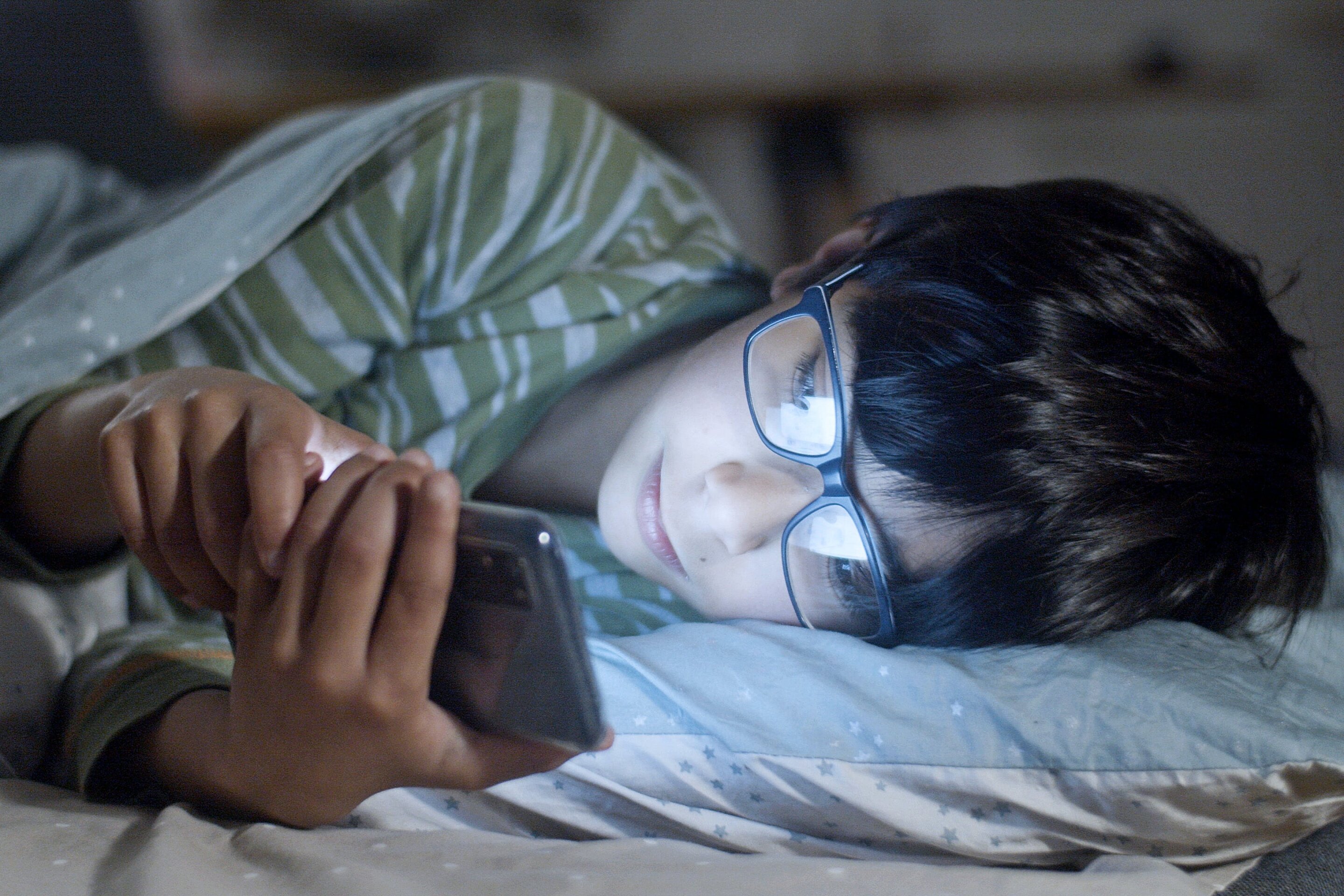
Students who seek feelings or relationship advice from an AI chatbot are more likely to report loneliness and emotional difficulties, according to two surveys in Denmark and Ontario. The research on AI chatbot emotional support students points to an association, not proof that the technology causes those problems.
A 2025 study in the International Journal of Human-Computer Studies surveyed 1,599 students at 15 Danish high schools. It found that students whose chatbot conversations were classified as social-supportive reported more loneliness and less perceived social support than non-users and students using chatbots for practical purposes, such as information or tasks.
Does using an AI chatbot for emotional support make students lonely?
The available studies cannot answer that question. Both used cross-sectional surveys, which capture responses at one point in time. Students may turn to chatbots because they are already lonely or distressed; chatbot use, other factors, or a combination of factors could also be involved.
The Danish study separates broad friend-like use from the narrower group seeking emotional support. Of all respondents, 234 students, or 14.6%, said they had had friend-like conversations with chatbots. Researchers classified 174 respondents' conversations as utilitarian and 39 as social-supportive. The latter figure equals 2.44% of the full sample, explaining why the two percentages measure different forms of use rather than conflicting rates.
Students in the social-supportive group reported higher loneliness than both non-users and utilitarian users. Higher loneliness and lower perceived support were also associated with starting chatbot conversations during a bad mood, a desire to disclose personal matters, or feelings of loneliness, according to the published study.
Ontario survey finds a similar pattern
A separate University of Ottawa study, published in JAMA Pediatrics, surveyed 39,761 Ontario students in grades 4 through 12 from May 2025 through March 2026. Of those students, 8,408, about 21%, said they had used an AI chatbot for help with feelings or advice about relationships, according to the university summary reported by Phys.org.
That group reported more loneliness and a lower sense of mattering to other people. The summary said 57.7% of emotional-support AI users met the study's criteria for serious emotional problems, compared with 29.2% of students who did not report using AI in that way.
After accounting for demographics, loneliness, mattering and academic AI use, emotional-support chatbot use remained associated with a 26% higher prevalence of clinical-level emotional difficulties, the University of Ottawa summary said. The finding distinguishes emotional use from schoolwork-related use, though frequent academic users were also more likely to report emotional use.
Research outside student samples has raised a related concern. A Stanford study of Character.AI users found poorer well-being was associated with intensive companionship-motivated use among people with smaller offline social networks. That study involved general users rather than students and does not establish the student findings.
Tracy Vaillancourt, a University of Ottawa researcher, said adults should ask why a student is turning to AI for emotional reasons. The surveys support treating that use as a possible prompt for an open, nonjudgmental conversation and connection with human support, rather than as evidence that a chatbot created the student's distress.
This story draws on original reporting from Phys.org.