
Tick-linked meat allergy risk may be wider than known
CDC research found alpha-gal antibodies in nearly a quarter of adults sampled in five states where lone star ticks are common.
By Priya Raghavan · Science Reporter
3 min read
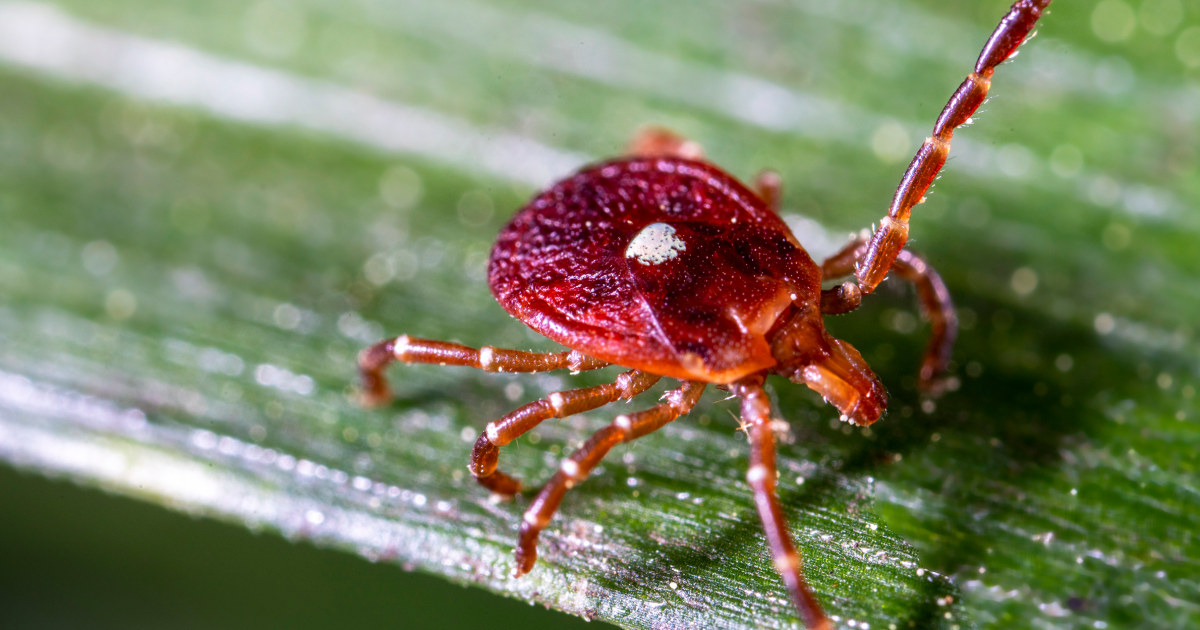
More Americans may have been exposed to the tick-related trigger behind alpha-gal syndrome than health officials previously understood. New research published Thursday by the Centers for Disease Control and Prevention found signs of exposure in nearly one in four adults sampled in five states where lone star ticks are common.
Alpha-gal syndrome is an allergy linked most often to bites from lone star ticks that have fed on mammals such as cows, deer, goats or pigs, according to the CDC. Those animals carry a sugar molecule called alpha-gal, and ticks can pass it to people through bites.
Some people who are exposed develop allergic reactions after eating red meat or products made with mammal-derived ingredients, including gelatin. The condition can be hard to identify because symptoms often appear hours after a meal, rather than immediately after exposure.
The CDC analysis reviewed blood samples from 3,000 adult blood donors in 10 states between November 2024 and April 2025. Researchers found that adults living in states already known for higher lone star tick activity were more likely to have antibodies showing exposure to alpha-gal.
About 24% of adults in Arkansas, Kentucky, Missouri, Tennessee and Virginia were estimated to have alpha-gal antibodies, according to the CDC report. The presence of those antibodies means a person has encountered the alpha-gal molecule at some point, but it does not mean the person has alpha-gal syndrome.
Dr. Eleanor Saunders, an infectious disease specialist at the University of North Carolina-Chapel Hill and lead author of the study, cautioned that the findings should not prompt people to seek testing without symptoms or stop eating meat out of fear. Saunders said the research raises questions about whether antibodies could increase future risk, but more work is needed to understand that connection.
The CDC has estimated that about 450,000 people in the United States may have alpha-gal syndrome, though the true number is not known. Few state health departments require doctors to report cases, and the condition is not currently included in the National Notifiable Diseases Surveillance System, the federal system used to collect voluntary state reports on illnesses such as Lyme disease and West Nile virus.
Sharon Forsyth, executive director of the Alpha-Gal Alliance Action Fund, said the lack of case counting is a major gap for a disease her organization considers among the more common vector-borne illnesses in the country. The CDC and the Council of State and Territorial Epidemiologists meet each year to vote on which diseases should be nationally notifiable.
Forsyth said participation in alpha-gal support groups has risen in recent years, and researchers expect cases to increase. Dr. Scott Commins, an allergy and immunology specialist at the University of North Carolina Department of Medicine and a co-author of the CDC study, said cases have been rising around Oklahoma and northward toward the Great Lakes.
Commins attributed the spread partly to warmer winters and shifting deer populations, which can carry ticks into new areas. Alpha-gal syndrome has been most concentrated in the East and Midwest, but the range of ticks associated with it is expected to expand.
The lone star tick is the main tick linked to alpha-gal syndrome, but the Alpha-Gal Alliance Action Fund says black-legged ticks, Cayenne ticks and Asian longhorned ticks can also transmit the alpha-gal molecule.
Symptoms reported by the CDC
- Hives or an itchy rash
- Nausea, vomiting or diarrhea
- Severe stomach pain, heartburn or indigestion
- Coughing, shortness of breath or trouble breathing
- A drop in blood pressure or dizziness
- Swelling of the lips, throat, tongue or eyelids
- Anaphylaxis, a life-threatening allergic reaction
According to the CDC, alpha-gal syndrome becomes a lifelong condition once it develops.
This story draws on original reporting from NBC News.