
Gene changes may predict prostate cancer response to ferroptosis drugs
MD Anderson researchers found SPOP mutations and CHD1 deletions push prostate tumors in opposite directions on ferroptosis sensitivity.
By Tom Brennan · Health & Medicine Correspondent
3 min read
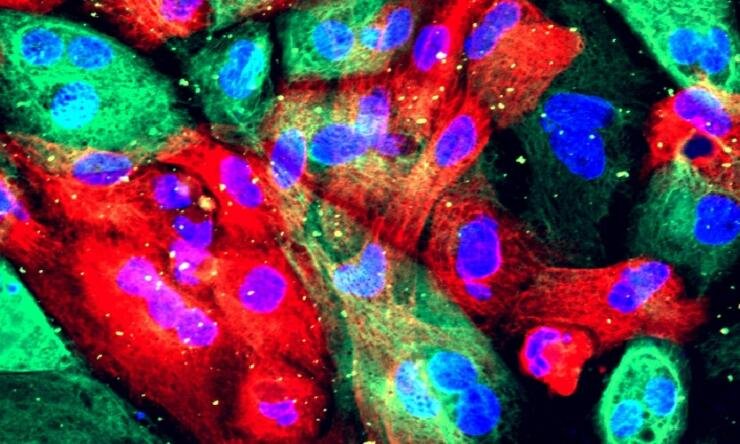
Researchers at The University of Texas MD Anderson Cancer Center have identified two common prostate cancer gene changes that appear to predict opposite responses to drugs designed to trigger ferroptosis, a form of cell death. The findings matter because they may help doctors match some patients with tumors resistant to existing treatments to more precise experimental strategies.
The study, published in Nature Communications, was led by Di Zhao, an associate professor of Experimental Radiation Oncology, and Boyi Gan, a professor in the same department, according to MD Anderson. Zhao said prostate cancer varies widely at the genetic level, making it important to identify treatments that fit a patient’s tumor as early as possible.
Two mutations, two responses
The research focused on SPOP mutations and CHD1 deletions, two genetic alterations seen in prostate cancer, MD Anderson said. The study found that the two changes affect levels of ACSL4, an enzyme involved in loading fatty acids into cell membranes.
That enzyme is relevant because ferroptosis-based treatments target the buildup of certain fatty acids in cell membranes, according to the researchers. In tumors with disrupted SPOP, ACSL4 levels rose, making SPOP-mutant prostate cancers more sensitive to ferroptosis in the study.
SPOP normally functions as a tumor suppressor, meaning it helps restrain tumor development, MD Anderson said. When SPOP is mutated, that protective role can be impaired, and the researchers found that one downstream result was higher ACSL4 activity tied to ferroptosis vulnerability.
CHD1 deletions had the reverse effect in the study. The researchers reported that loss of CHD1 lowered ACSL4 levels and made prostate cancer cells less susceptible to ferroptosis.
A possible way to counter resistance
The team also tested whether the CHD1-linked resistance could be reversed. In preclinical models, a statin therapy already approved for lowering cholesterol helped restore ACSL4 levels and made those tumors more sensitive to ferroptosis, MD Anderson said.
The findings do not establish a new approved prostate cancer treatment. They point to a potential combination strategy that would need further study before it could be used routinely in patients.
The work also has implications for GPX4 inhibitors, a class of ferroptosis-inducing drugs being studied in preclinical and early-phase research, according to MD Anderson. These drugs block an enzyme that normally helps prevent the fatty acid buildup that can lead to ferroptosis.
Based on the study, SPOP mutations and CHD1 deletions may serve as biomarkers for identifying prostate cancers more or less likely to respond to GPX4 inhibitors. MD Anderson said the research also helps explain one route of nonresponse: CHD1 deletion-driven suppression of ACSL4.
Zhao said the findings support further development of ferroptosis-based therapies for cancers that resist other treatments, while underscoring the need to know which tumors are most likely to benefit. The paper was published as “Divergent roles of SPOP and CHD1 in ACSL4 regulation reveal context-dependent vulnerabilities for targeting ferroptosis.”
This story draws on original reporting from Medical Xpress.