
Diabetes tied to slower recovery after COVID hospitalization
A University of São Paulo study found more long-term complications and poorer quality of life among hospitalized COVID-19 patients with diabetes.
By Priya Raghavan · Science Reporter
3 min read
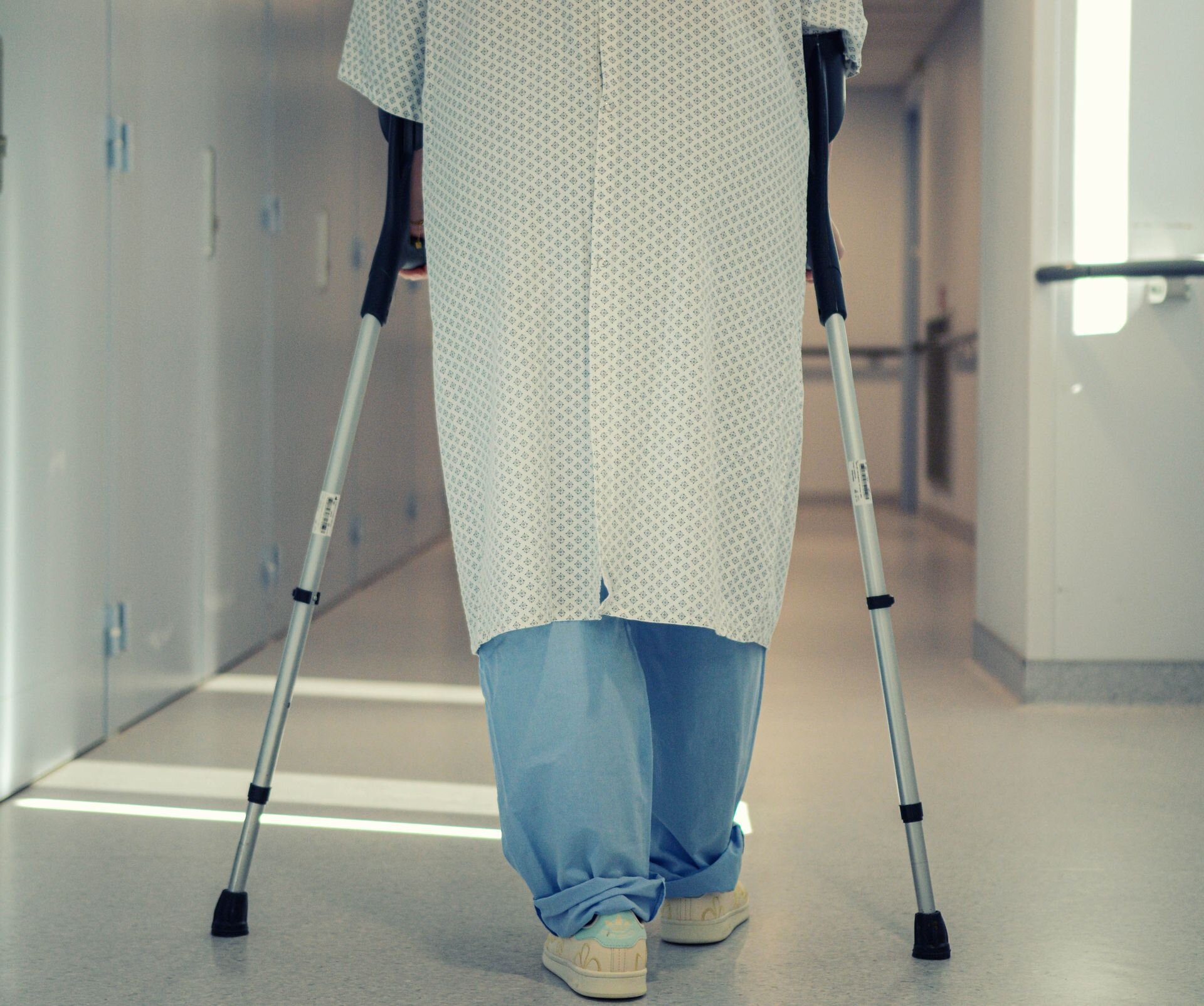
People with diabetes had a harder recovery after being hospitalized for COVID-19, according to a University of São Paulo study published in Scientific Reports. The findings point to a need for longer follow-up for patients with diabetes after COVID-19, particularly because researchers found more frailty, falls and cardiovascular problems months after discharge.
The study followed 870 people for up to seven months after hospitalization at Hospital das Clínicas, the hospital complex run by the University of São Paulo Medical School in Brazil. The group included 320 patients with diabetes mellitus and 550 without diabetes, according to FAPESP.
The patients were part of a broader project that enrolled more than 3,000 people admitted to the hospital between March and September 2020, during the first phase of the pandemic in Brazil, before COVID-19 vaccines were available. About seven months after leaving the hospital, participants returned for in-person assessments that included physical exams and laboratory tests.
More complications after discharge
Researchers reported that patients with diabetes were less likely to say they had fully recovered. Full recovery was reported by 89.8% of patients with diabetes, compared with 94.3% of those without the disease, according to the study.
The diabetes group also showed higher levels of frailty, more falls and lower quality of life seven months after discharge. Researchers reported difficulties with mobility and daily activities, along with weaker physical and cognitive performance in patients with diabetes.
Cardiovascular complications were also more common among patients with diabetes, including heart attacks and angina, according to the study. Maria Elizabeth Rossi da Silva, head of the Diabetes Unit at Hospital das Clínicas and one of the study authors, said diabetes should be viewed as a risk factor beyond the acute stage of COVID-19.
Silva said the results show a need for a care structure aimed at people with diabetes after COVID-19 infection, to reduce the risk of repeated hospitalizations. She told FAPESP that recovery can be prolonged and quality of life can be impaired long after the initial infection.
Frailty and mobility concerns
The study found that falls were reported by 21% of patients with diabetes after discharge, compared with 11.1% of patients without diabetes. Researchers also found that hospital stays were longer for people with diabetes, averaging 16 days compared with 13 days for those without diabetes.
Silva said altered metabolism, inflammation and longer hospitalization may contribute to muscle loss and vulnerability, making it harder for patients to regain independence. She said the cardiovascular system of people with diabetes may be under added strain because diabetes-related inflammation can combine with the effects of the virus.
According to Silva, the risk of serious complications rises when patients have more coexisting conditions. She also said obesity and chronic inflammation may make this group more susceptible to cardiac and functional decline, and that the virus may directly affect pancreatic cells or trigger insulin resistance.
New diabetes diagnoses tracked
The researchers also found that 7.3% of participants who did not have diabetes developed the disease after COVID-19 infection. Silva said that finding should be interpreted carefully, because the infection may have exposed previously undiagnosed diabetes or triggered disease in people who were already predisposed.
She also said pandemic conditions may have played a role, including stress, poor diet, physical inactivity and obesity. Silva added that social inequalities, such as limited access to medical care, unhealthy diets and lack of time for exercise, can influence outcomes and should be considered in health policies.
The research team is continuing to study patients hospitalized during the first phase of the pandemic and is analyzing data collected three years after infection, according to FAPESP. Silva said longer-term data are needed to understand how COVID-19 affects diabetes over time.
This story draws on original reporting from Medical Xpress.