
Experimental eye drug shows early safety signals in retinal blindness trial
A small human trial found a photoswitch therapy was well tolerated and may have restored some light response in advanced retinitis pigmentosa.
By Priya Raghavan · Science Reporter
3 min read
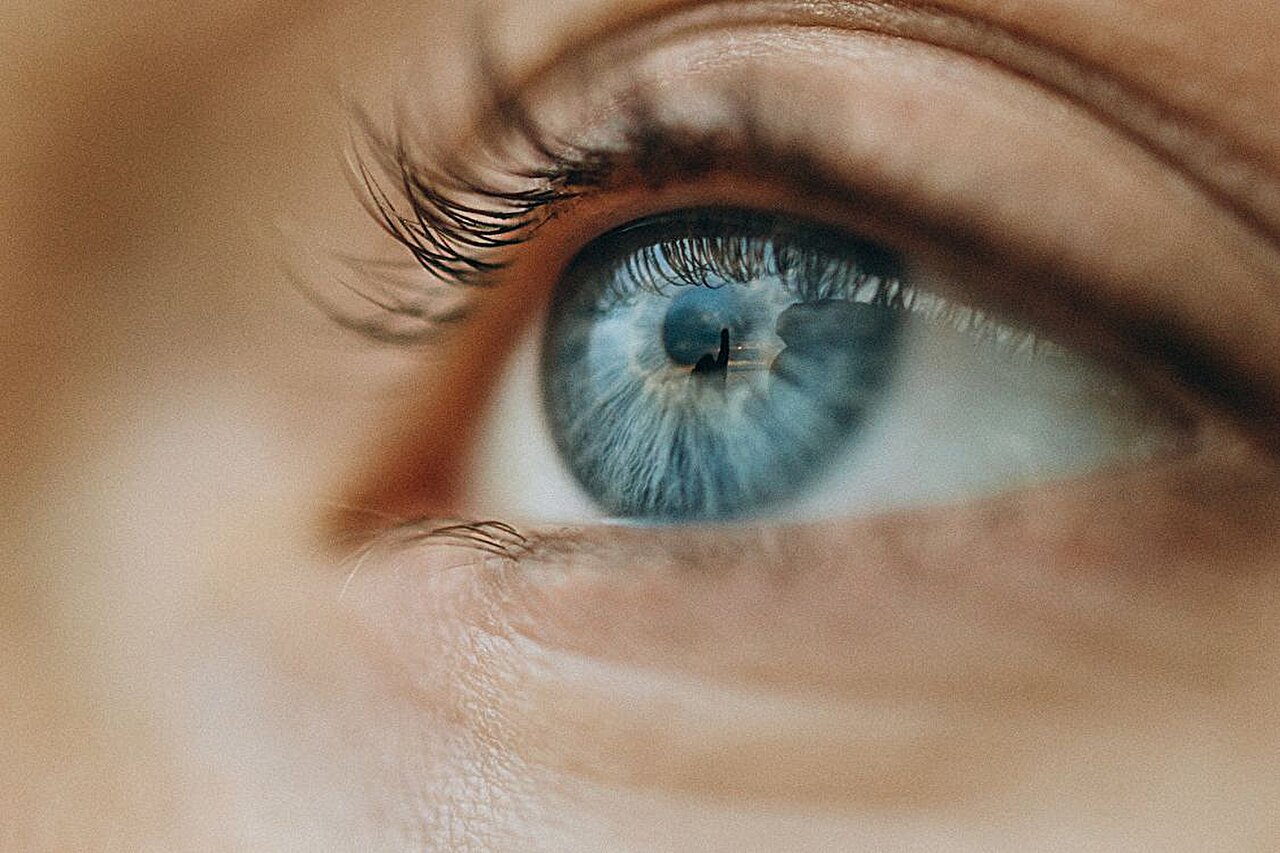
University of Adelaide researchers have reported early human results for an experimental eye treatment that aims to make damaged retinas respond to light again. The work matters because advanced retinitis pigmentosa, a genetic disease that can cause progressive blindness, has limited treatment options and no cure, according to the university.
The Phase 1 open-label trial tested a photoswitch drug in people with severe retinal damage. The study, conducted with researchers from the University of Washington, was designed primarily to assess whether the treatment could be safely tolerated in humans, the University of Adelaide said.
The findings were published in Nature Medicine. Kiora Pharmaceuticals provided industry support for the study, according to the university.
How the therapy is meant to work
Retinitis pigmentosa affects retinal cells involved in detecting light, leading to worsening vision over time, the University of Adelaide said. In later disease, normal light-sensing cells can be lost, leaving few options for restoring visual function.
According to the researchers, the small molecule was injected into the eye and appeared to make some damaged retinal cells light-sensitive again. The published study describes the approach as intravitreal photoswitch therapy in advanced retinitis pigmentosa.
Professor Robert Casson, principal investigator at the University of Adelaide’s School of Medicine, said the safety trial had opened a possible route for treating degenerative eye disease. He said it was the first clinical trial of a photoswitch drug in humans.
Casson also said the approach differs from gene therapies because it does not target a specific mutation and does not require genetic modification. That could make the treatment relevant to multiple forms of retinal degeneration, though that possibility still needs more testing, according to the researchers.
Signals beyond safety
The university said the treatment was well tolerated in the small trial. Casson said there were no serious adverse events and no evidence of harmful effects on the eye.
Researchers also saw early signs that the drug may have had a biological effect, Casson said. Several participants reported short-term improvements on visual tests, including walking tasks, according to the University of Adelaide.
One participant with severely damaged retinal cells reported increased awareness of light perception within two days of receiving the treatment, the university said. Casson said brain imaging also showed activity in visual areas of the brain after treatment.
The findings remain preliminary. Casson said the signals need confirmation in larger studies before researchers can determine whether the therapy improves vision in a reliable way.
A larger Phase 2 trial is already underway to test the treatment more rigorously, according to the University of Adelaide. Casson said the work could also support development of related treatments for retinal diseases beyond retinitis pigmentosa.
This story draws on original reporting from Medical Xpress.