
Boreal species lag logging cycles in clear-cut forests
A University of Alberta-led study says some boreal forest communities can take a century or more to regain biodiversity after clear-cutting.
By Lucas Ferreira · Science & Environment Writer
3 min read
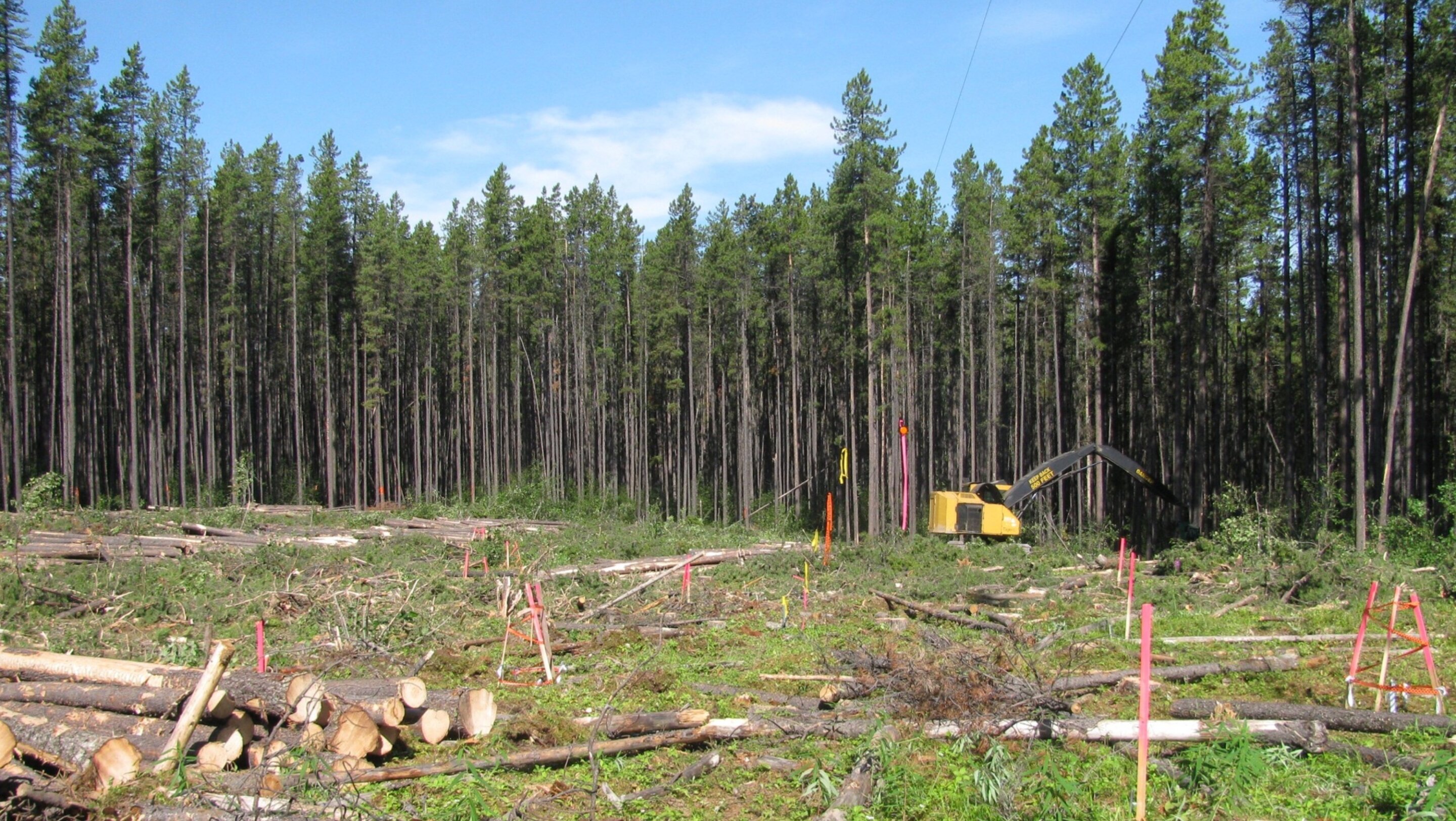
Boreal forests are being harvested on timelines that are shorter than the recovery periods for some plants and animals, according to University of Alberta-led research. The study matters for forest management because some communities may not regain mature-forest biodiversity before the same areas are logged again.
The research, published in Nature Sustainability, examined how clear-cutting affects birds, small mammals, spiders, insects, vascular plants, mosses and lichens in boreal forests used for lumber, pulp and paper. The team compared logged and unlogged forest areas over long periods to estimate how quickly communities returned to biodiversity levels found in mature forest.
University of Alberta biologist S. Ellen Macdonald, the study’s lead author and a professor emerita in the Faculty of Agricultural, Life & Environmental Sciences, said current repeated clear-cutting practices could leave some species without enough time to recover. She warned that slow-recovering species could begin to vanish from affected areas if those cycles continue.
Recovery varied by forest type
The study analyzed 190 data sets from boreal forests in North America, Europe and Russia, according to the University of Alberta. It assessed broadleaf forests such as aspen and birch, conifer forests such as spruce and pine, and mixed forests.
In roughly half of the cases reviewed, forest community biodiversity returned to pre-logging levels in under 30 years, the researchers reported. That faster recovery was especially evident in broadleaf forests, where vascular plants and mosses were either not measurably affected or recovered within 12 to 25 years.
Recovery in mixed and conifer forests was much slower, according to the study. Small mammals such as mice and voles took more than 55 years to recover, flowering plants took 85 years, lichens took 95 years, and mosses and liverworts took more than 100 years.
The researchers also found that beetles dependent on deadwood did not show signs of recovery in the available data, which covered 16 to 29 years. The University of Alberta said typical logging rotations run about 60 to 80 years, a range that does not fit the recovery times estimated for several groups in conifer and mixed forests.
Ecological effects remain uncertain
Anne McIntosh, an ecologist at the University of Alberta’s Augustana Campus and co-lead of the research, said the affected organisms support forest health through many interactions. The loss of species and the relationships among them could have consequences that are not yet known, she said.
The researchers said the findings point to different management approaches for different forest types. Macdonald said conifer forests’ slower recovery creates a case for more targeted practices rather than treating all boreal forest stands the same way.
McIntosh pointed to retention harvesting, which leaves more living trees and deadwood after harvest, as one option that could help maintain conditions for slow-growing lichens and mosses. Macdonald also identified longer intervals between harvests and full protection for some forest areas as measures that could help conserve biodiversity.
The paper, “Biodiversity recovery is slow following clear-cut harvest of boreal forests,” was authored by Macdonald and colleagues and published in Nature Sustainability. The University of Alberta described the work as the first analysis of its kind to examine such a long recovery timeline across a broad set of boreal forest organisms after clear-cutting.
This story draws on original reporting from Phys.org.