
Antibody-drug conjugate clears residual leukemia in phase 2 trial
MD Anderson researchers reported MRD negativity in 70% of 37 patients with B-cell acute lymphoblastic leukemia treated with inotuzumab ozogamicin.
By Tom Brennan · Health & Medicine Correspondent
2 min read
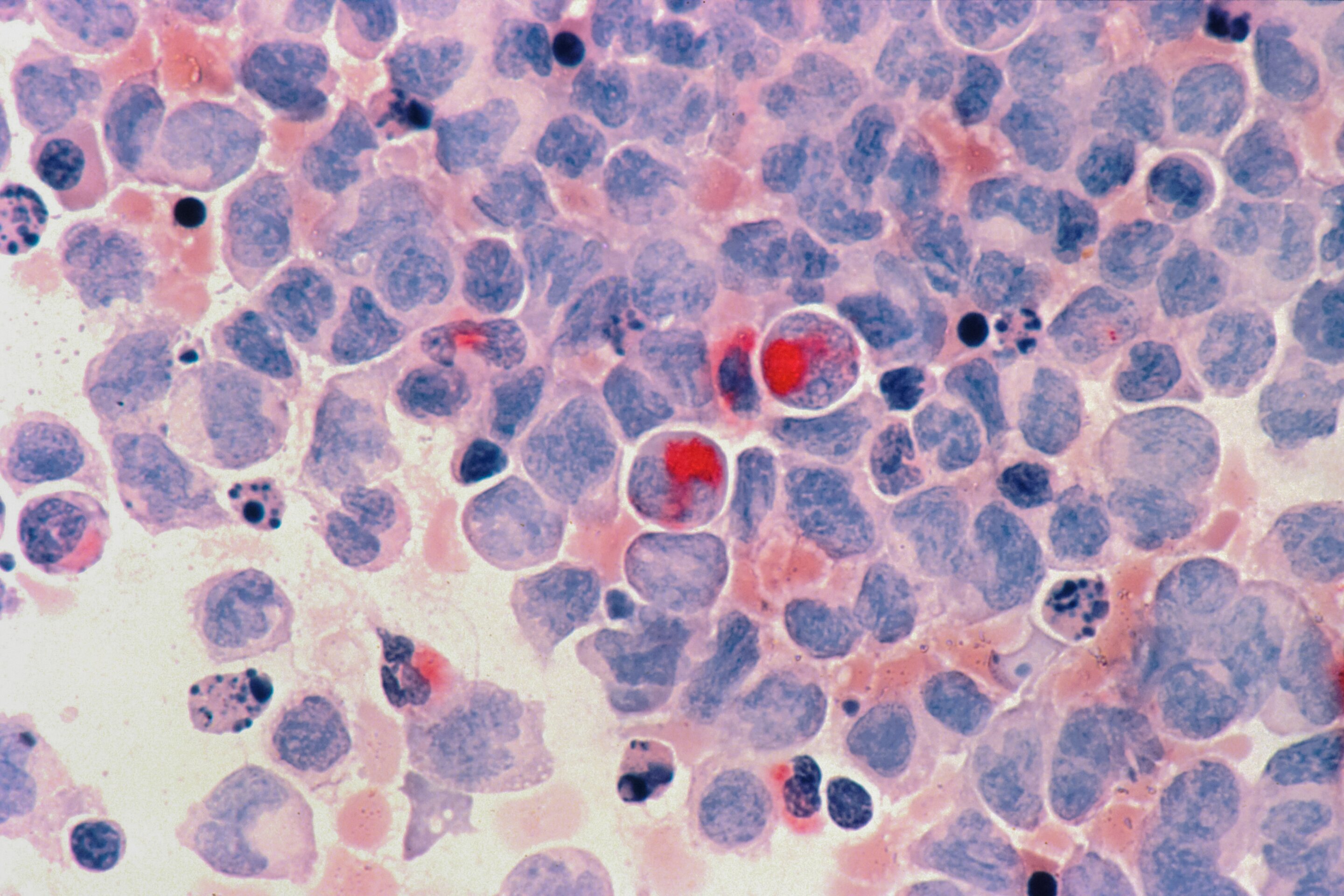
An antibody-drug conjugate cleared measurable residual disease in most patients with B-cell acute lymphoblastic leukemia in a phase 2 study, according to researchers at The University of Texas MD Anderson Cancer Center. The finding matters because the researchers said clearing residual disease is tied to a lower risk of relapse and better chances of staying in remission.
The study, published in Blood Cancer Journal, tested inotuzumab ozogamicin in 37 patients. MD Anderson reported that 70% of those treated reached MRD negativity, meaning the remaining leukemia was no longer detectable by the trial’s measures.
Researchers reported responses in both Philadelphia chromosome-positive and Philadelphia chromosome-negative disease. According to MD Anderson, patients who received the treatment earlier had the best outcomes in the study.
The study reported relapse-free survival of 40 months and median survival of 61 months. MD Anderson described the treatment as well tolerated, with side effects that were manageable.
Why residual disease matters
Measurable residual disease, or MRD, refers to cancer that remains after treatment even when a patient is in remission. MD Anderson said removing detectable MRD is an important step toward improving long-term results for patients with B-cell acute lymphoblastic leukemia.
Elias Jabbour, professor of leukemia at MD Anderson and the study’s principal investigator, said the results showed inotuzumab ozogamicin was effective at clearing residual disease in patients already in remission. He also said the approach could strengthen remissions and affect treatment decisions for patients considered at high risk of relapse.
MD Anderson said the treatment may also help some patients reach stem cell transplant or chimeric antigen receptor T-cell therapy with a lower leukemia burden. The cancer center said that could allow those next treatments to occur in a safer disease state.
How the drug is being positioned
Inotuzumab ozogamicin is an antibody-drug conjugate, a type of treatment designed to deliver a cancer-killing payload through a targeted antibody. In this study, MD Anderson researchers evaluated it for patients with residual disease after other therapy had already put them in remission.
The researchers said the findings support inotuzumab ozogamicin as a potential strategy to deepen remissions in adult acute lymphoblastic leukemia. The study was published as “Inotuzumab ozogamicin therapy for measurable residual disease in adult acute lymphoblastic leukemia” in Blood Cancer Journal, with DOI 10.1038/s41408-026-01551-6.
MD Anderson characterized the results as encouraging but reported them from a 37-patient phase 2 study. The cancer center said the main signal was the high rate of MRD clearance, including across Philadelphia chromosome subgroups, along with durable responses and survival outcomes reported in the trial.
This story draws on original reporting from Medical Xpress.