
Monthly buprenorphine shots rose tenfold with sharp state gaps
A Rutgers Health study found rapid growth in injectable buprenorphine use from 2021 to 2024, with Medicaid and state policies tied to access.
By Priya Raghavan · Science Reporter
3 min read
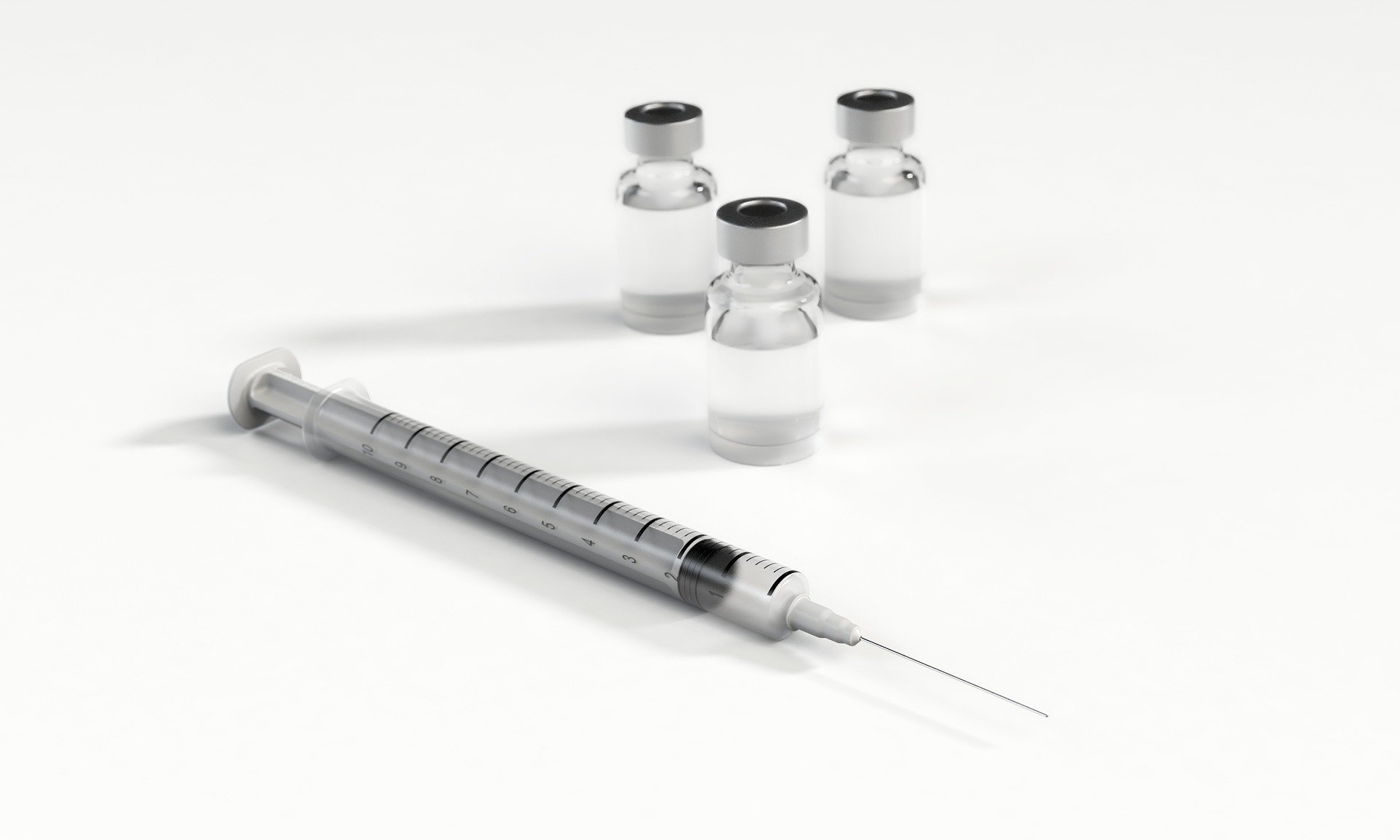
Use of long-acting injectable buprenorphine for opioid use disorder rose tenfold from 2021 to 2024, according to a Rutgers Health study published in Health Affairs. The growth matters because researchers say the monthly shot may help people who have difficulty staying on daily medication and may lower overdose risk for some patients.
The study found wide differences across the country in how often patients received the injectable form. By 2024, researchers said, long-acting injections accounted for less than 1% of prescribed buprenorphine in some states and close to 13% in others.
Buprenorphine is the most commonly used medication for opioid use disorder, according to Rutgers Health. The Food and Drug Administration approved the first long-acting injectable version in 2018.
The medication acts on opioid receptors in a way that can block the effects of drugs such as heroin and fentanyl and reduce overdose risk, according to the researchers. The injectable version is given as a shot and releases medication gradually over a month, unlike oral or under-the-tongue forms that require more frequent dosing.
Claims data showed uneven adoption
Researchers examined pharmacy prescription claims from 2021 through 2024. Rutgers Health said the dataset included more than 4 billion prescriptions dispensed each year.
The team looked at state-level prescription volume for long-acting injectable buprenorphine. It also reviewed payer categories, including Medicaid, Medicare, commercial insurance and self-pay, as well as prescriber type, including physicians and advanced practice clinicians.
Stephen Crystal, director of the Rutgers Center for Health Services Research and a co-author of the study, said the data showed fast adoption of injectable buprenorphine. He said steady medication levels over a full month may be especially useful for patients at elevated risk, including people previously treated for overdose or those without stable housing.
The study reported notable increases in prescriptions among Medicaid patients. Medicaid is the federal-state insurance program serving many low-income and disabled Americans.
Pennsylvania, Louisiana, Alaska and Ohio had the highest rates of long-acting injectable buprenorphine prescriptions, according to the researchers. They said those rates may be related to Medicaid plan policies that made the medication easier to obtain.
Medicaid and clinician mix stood out
Arthur Robin Williams, an associate professor at Columbia University and the study’s lead author, said the state-by-state gaps point to the role of state policy and insurance plan design in expanding treatment access. The study did not report uniform growth across states despite the national increase.
Researchers also found faster growth in injectable buprenorphine prescribing among advanced practice clinicians, such as nurse practitioners and physician assistants. Crystal said the findings show the role of Medicaid and nonphysician clinicians in responding to opioid use disorder.
The study was published in Health Affairs with the DOI 10.1377/hlthaff.2025.01584.
This story draws on original reporting from Medical Xpress.