
United revenue rises as higher fares and premium seats lift results
United said second-quarter revenue rose 16% as it charged more and expanded higher-priced seating while fuel costs climbed.
By Daniel Okafor · Business Editor
3 min read
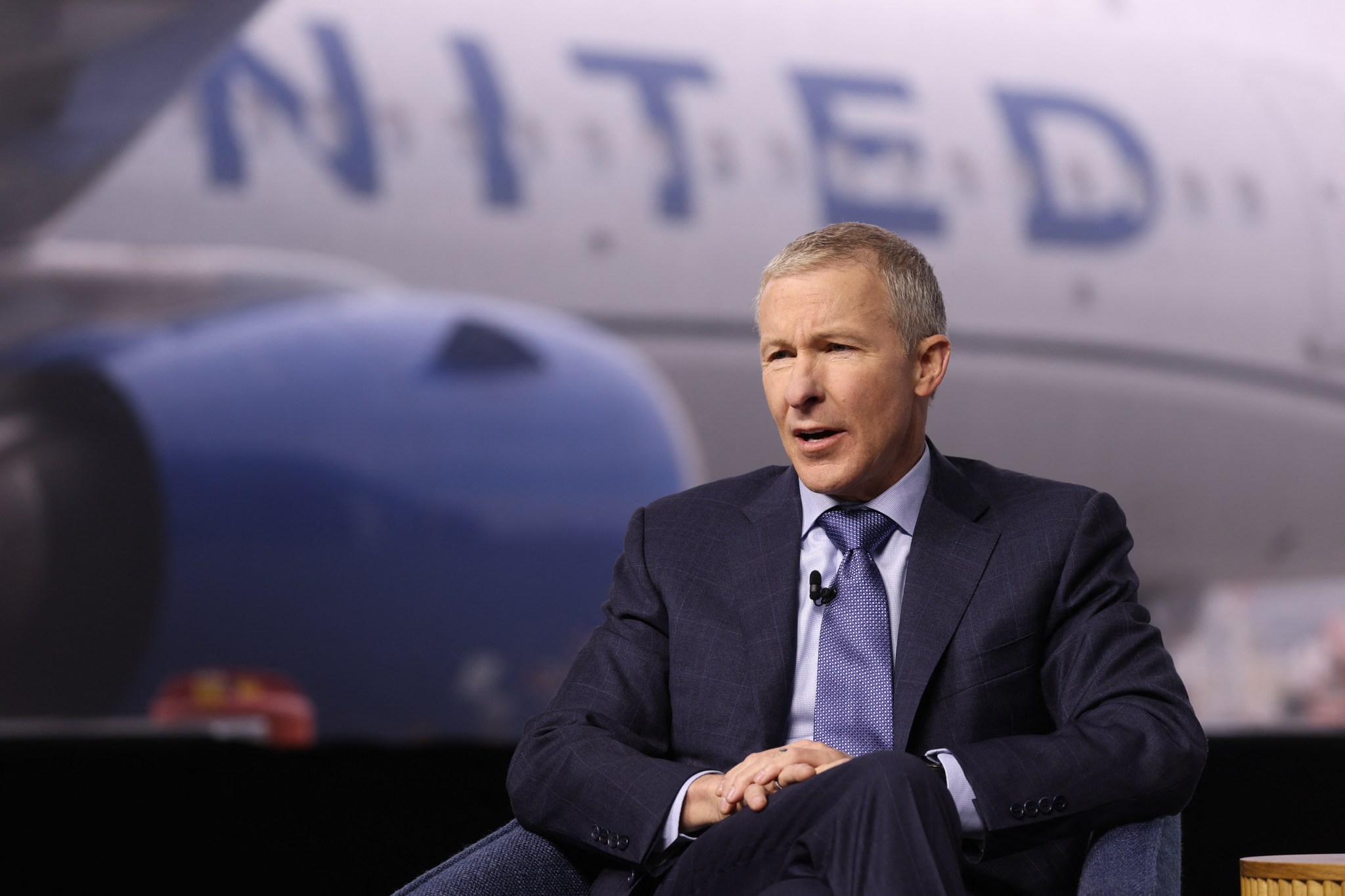
United Airlines reported a 16% increase in second-quarter operating revenue to $17.7 billion after raising fares and selling more premium seats, Fortune reported. The results show how the carrier’s years-long push toward higher-priced travel options has helped it offset rising fuel costs tied to the U.S.-Iran conflict.
United has not said how much it increased ticket prices, according to Fortune. Skiplagged, a flight search engine cited by The New York Times, found that fares this summer rose 35% on popular domestic routes and 15% on international routes.
Chief Executive Scott Kirby told Wall Street analysts on a Thursday conference call that demand remained strong, Fortune reported. Kirby said United’s strategy of building customer loyalty was working and that the airline was using current conditions to speed up investments across the passenger experience.
Premium seats drive growth
Fortune reported that United and Delta Air Lines have spent years building their businesses around travelers willing to pay more, including those using international routes, premium cabins and loyalty programs. The carriers have tried to make customers view flying as a more differentiated service rather than a basic commodity.
United’s revenue from high-end seats increased 16% in the quarter compared with a year earlier, while basic economy revenue rose 11%, according to Fortune. Delta reported premium revenue growth of 17%, which outpaced its overall growth, Fortune said.
The premium push has included more expensive seating options, lounge access, upgrades and baggage-fee waivers, according to Fortune. The report also noted that major U.S. airlines have reduced capacity and cut some flights, steps that can help carriers charge more.
United and Delta are also competing over onboard perks, Fortune reported. United has said it plans to offer Wi-Fi supported by Elon Musk’s Starlink on 1,000 aircraft by the end of the year, while Delta has tested aircraft with a majority of seats in premium categories and has chosen Amazon’s satellite service for connectivity.
Fuel costs and fares
Kirby said on the analyst call that another fare increase took place as fuel prices began rising again, and that fares did not fall when fuel prices declined, according to Fortune. United has said its fuel costs could rise by nearly $6 billion this year, more than it had previously projected, and its second-quarter fuel expense was 84% higher than a year earlier.
United continues to adjust cabin layouts to create more paid choices, Fortune reported. In March, the airline said it would replace some economy seats with premium seats on certain aircraft, and this week it announced a new Economy Plus row in which the middle seat stays empty and is replaced by a shared table for the window and aisle passengers.
Fortune compared the new layout to British Airways’ short-haul business-class setup, where the middle seat is blocked. The change adds another distinction between cabin tiers as airlines try to widen the gap between basic tickets and higher-priced offerings.
Kirby said that after adjusting for inflation, plane tickets were about 13% cheaper than in 2019, Fortune reported. He also said fare increases in recent years reflected costs beyond fuel, including airport fees, labor and aircraft maintenance.
Kirby told analysts that industries need to pass along cost increases, according to Fortune. For passengers, the report suggests higher fares may remain even if fuel prices ease.
This story draws on original reporting from Fortune.