
Saudi East-West pipeline attack closes key route around Hormuz
Saudi Arabia shut its East-West pipeline after a drone strike, putting a Red Sea export route and millions of barrels of oil at risk.
By Sofia Marchetti · World Affairs Correspondent
3 min read
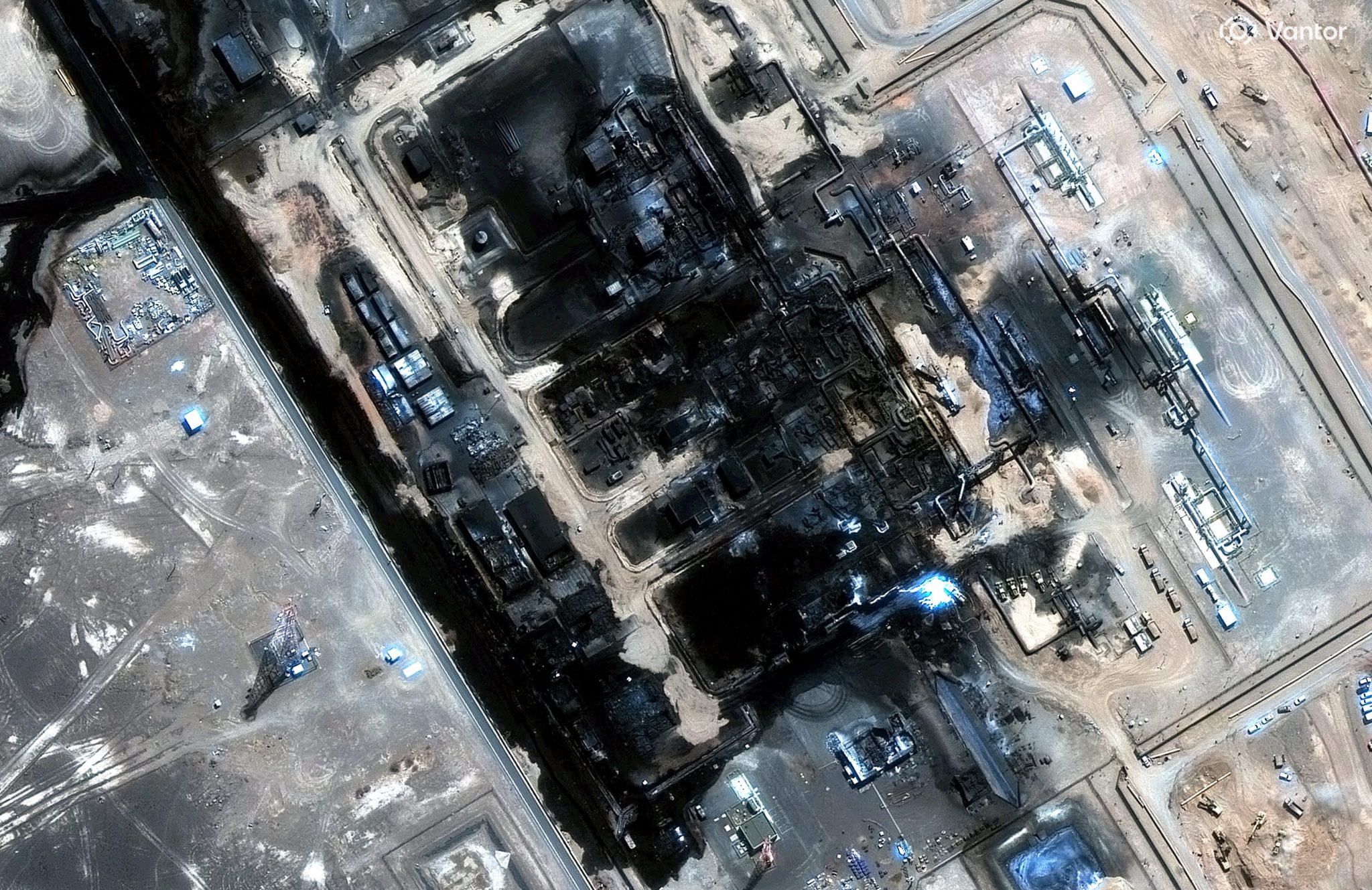
Saudi Arabia shut the East-West pipeline after a drone attack, cutting off a key route used to move crude around the Strait of Hormuz. The Saudi East-West pipeline attack adds pressure to oil markets already strained by reduced shipping through Hormuz and threats to Red Sea traffic, according to Associated Press reporting published by PBS and Fortune.
Saudi officials described Friday's shutdown as a precaution after several drones struck the cross-country line. Saudi Arabia said the drones came from Iraq; Iraq's government said the attacks originated on Iraqi territory and opened an investigation, while an umbrella group of Iran-backed Iraqi militias denied responsibility, the AP reported.
Why is the East-West pipeline important for Saudi oil exports?
The roughly 1,200-kilometer pipeline carries crude from processing facilities near the Persian Gulf to Yanbu, a port on the Red Sea, Fortune reported. From there, tankers can head north through the Suez Canal or Egypt's SUMED pipeline toward Europe, or south through the Bab el-Mandeb Strait toward Asia.
Saudi Arabia built the route in the 1980s, when officials feared Tehran could disrupt shipping through Hormuz during the Iran-Iraq war, according to Fortune. It has become more important during the present conflict because it offers an alternative when traffic through Hormuz is constrained.
That alternative has limits. The AP reported that Houthi forces' position around Bab el-Mandeb has added risks for Saudi shipping, while tanker movements through Hormuz remain well below their prewar level. Fortune said about 20 million barrels of oil a day passed through Hormuz before the war; Lloyd's List Intelligence counted 90 transits during the first week of September, against about 130 ships a day beforehand.
How much oil could be affected by the shutdown?
Rystad Energy estimated that 2.6 million to 4 million barrels a day had moved through the pipeline and out of Yanbu on average since late August, Fortune reported. The International Energy Agency figure cited by Fortune puts 4 million barrels a day at about 4% of global oil supply.
Saudi authorities had not publicly provided a complete account of the damage or a timetable for reopening. Two regional officials told the AP that repairs could take three to five weeks, according to Fortune. The Guardian reported that satellite imagery released by Vantor appeared to show fire damage at a pumping station, while Reuters sources gave estimates ranging from an earlier partial restart to repairs lasting as long as six weeks.
Industry sources cited by the Guardian said stocks at Yanbu could sustain exports for five to seven days, though those estimates were not official Saudi figures. The extent of any sustained export loss therefore depends on the damage, repairs and the availability of other shipping routes.
Oil prices have risen alongside the wider regional disruption. The Guardian reported that Brent crude gained more than 3.4% to $108 a barrel on Sunday, while Fortune said it traded above $105 on Monday. The reporting does not establish that the pipeline attack by itself caused the move; it comes amid a broader oil supply shock involving transport risks at both Hormuz and Bab el-Mandeb.
This story draws on original reporting from Fortune.