
S&P 500 2027 forecast calls for 21% decline after a higher 2026 close
Capital Economics sees the S&P 500 reaching 8,250 this year before falling to 6,500 by end-2027, while a separate analyst watches 5% Treasury yields.
By Maya Lindqvist · Senior Technology Correspondent
3 min read
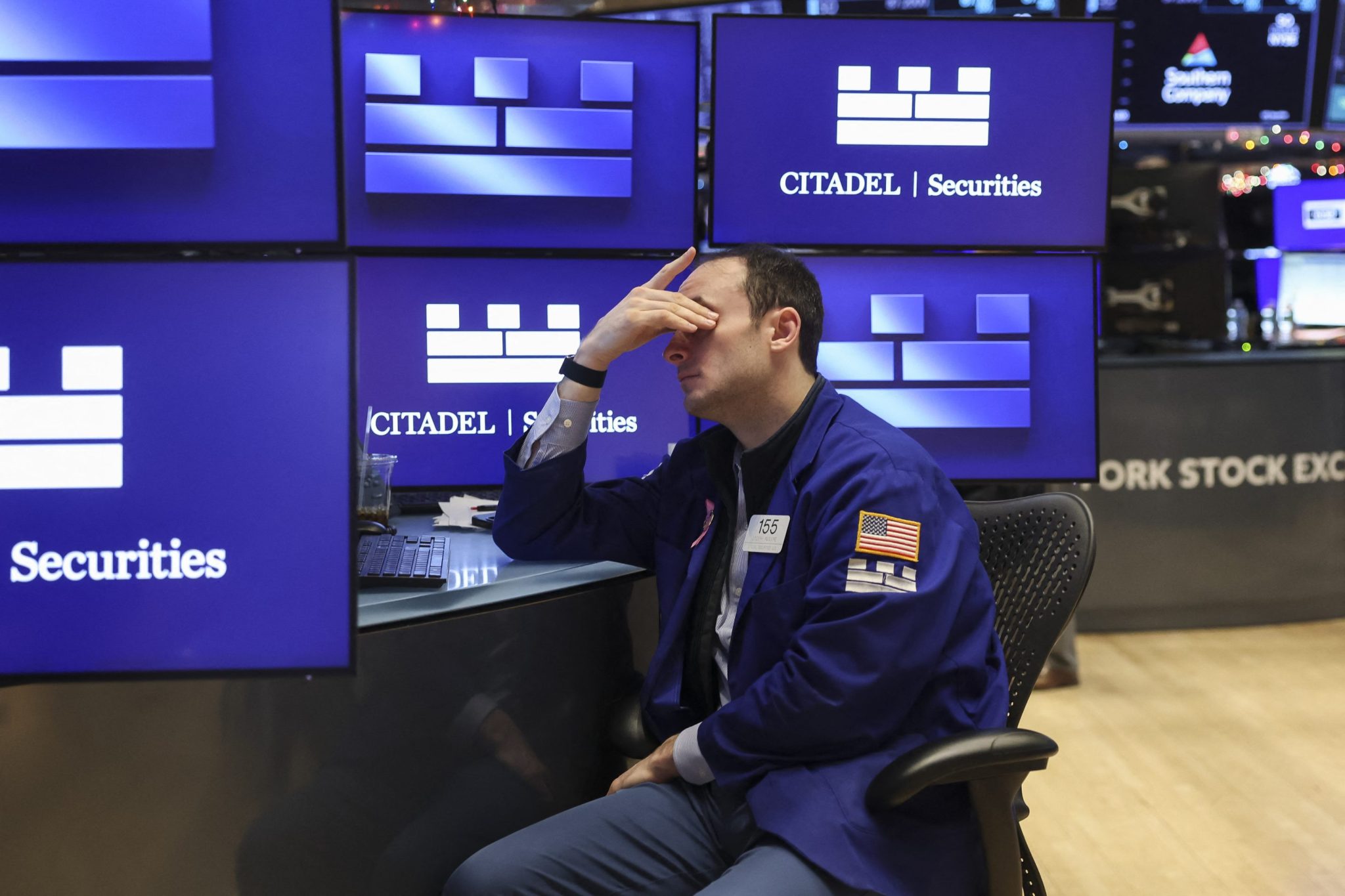
The S&P 500 2027 forecast from Capital Economics calls for the index to climb through the rest of 2026 before dropping 21% next year. James Reilly, the firm’s senior markets economist, projects an 8,250 year-end level for 2026, or 7.7% above the Friday close cited by Fortune, followed by a decline to 6,500 by the end of 2027.
The projection is one analyst’s outlook rather than a confirmed market outcome or a Wall Street consensus. Reilly said the measures he tracks resemble those seen near previous stock-market tops and characterize the current setting as a late-stage bubble, according to Fortune.
Why does Capital Economics expect the S&P 500 to fall in 2027?
Reilly cited high valuations, including a cyclically adjusted price-to-earnings ratio near its dot-com-era peak. He also pointed to the S&P 500’s valuation relative to Treasury bonds, which he said was close to dot-com extremes, and to expected earnings-per-share growth that is in line with that earlier bubble’s peak.
His case also rests on concerns about the durability of the AI investment boom. Fortune reported that Reilly flagged extensive spending, falling free cash flow and an expectation that the combined free cash flow of leading AI hyperscalers will turn negative in 2027. He also cited the heavy concentration of index market value in a small group of stocks and strong equity issuance, with initial public offerings and follow-on deals in the pipeline.
Rising Treasury yields are a separate concern raised by Ruchir Sharma, chairman of Rockefeller International. The 10-year Treasury yield reached 4.97% on the Friday cited by Fortune; Sharma has said a decisive move above 5% could mark a period of tighter financing conditions that makes large AI projects harder to fund.
In Sharma’s view, higher yields could mean hyperscalers issue less debt and face more difficulty raising equity, while increasing public borrowing costs could put pressure on other borrowers. He also argued that yields above 5% have historically weighed on stocks. Reilly did not address the reported rise in yields in the analysis behind his S&P 500 call.
A Treasury yield is distinct from a bond’s coupon, or stated interest rate. TreasuryDirect says notes can mature in two, three, five, seven or 10 years, while Treasury bonds run for 20 or 30 years. For a note or bond, TreasuryDirect says a yield to maturity above the coupon rate corresponds to a price below par value. Readers looking for the broader link between yields and borrowing can read how interest rates work.
Neither the 5% threshold nor high yields alone establish that stocks will fall. A Motley Fool article carried by Yahoo Finance cautioned that bond yields do not consistently predict equity declines. CNBC also cited advisers who urged investors to assess long-term changes rather than shift portfolios in response to short-term headlines; higher yields can improve prospective returns for buy-and-hold bond investors.
This story draws on original reporting from Fortune.