
GM targets U.S. sodium-ion battery production around 2029
GM is developing sodium-ion cells with Peak Energy for stationary storage as U.S. scrutiny intensifies over battery ties to China.
By Daniel Okafor · Business Editor
3 min read
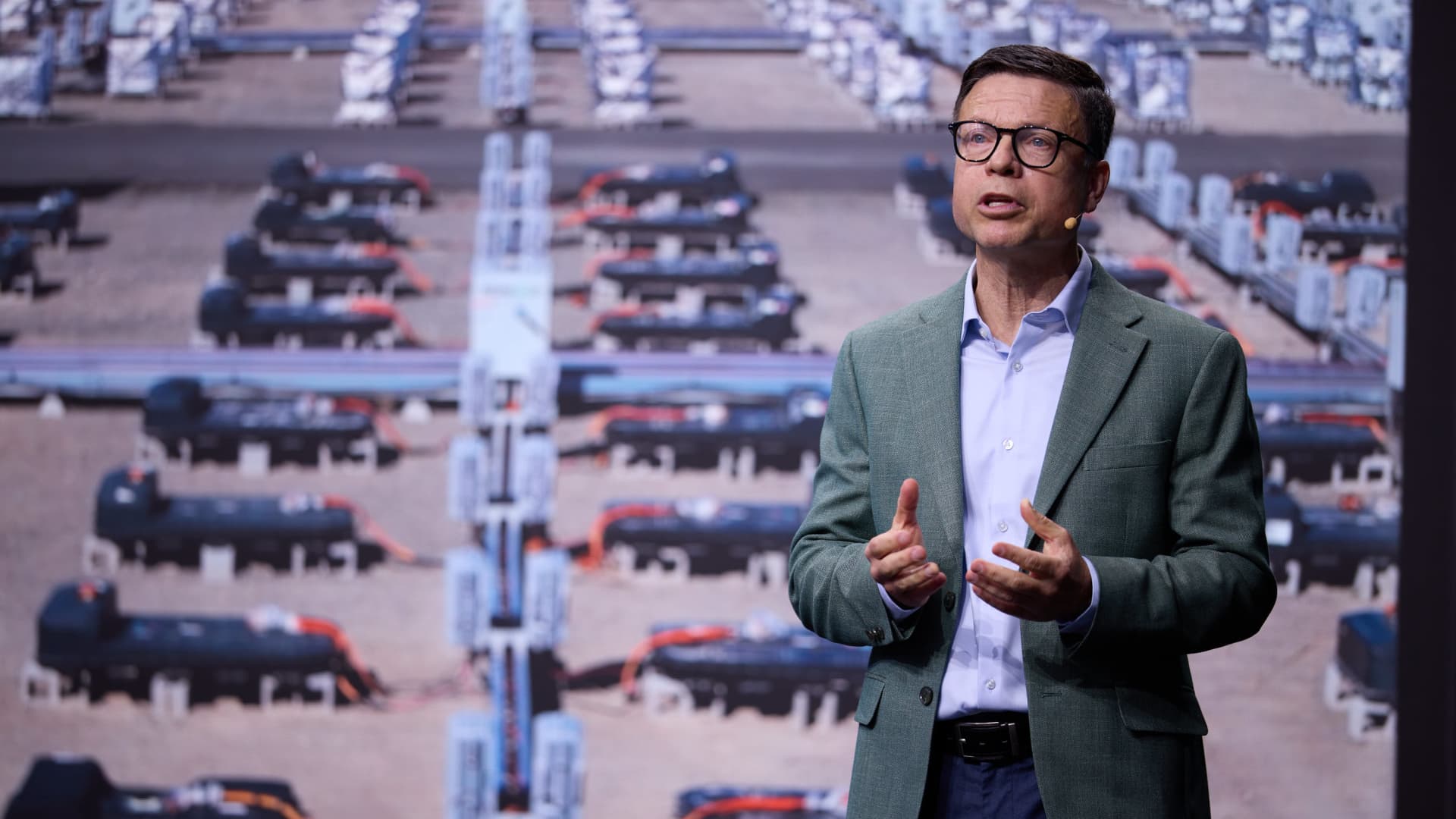
GM sodium-ion batteries 2029 is the company’s target for commercial production with Peak Energy, its Denver-based development partner, according to CNBC. The program focuses first on stationary energy-storage systems, while heightened scrutiny of battery supply-chain ties has put rival Ford’s licensing deal with China’s CATL in the political spotlight.
General Motors is in the early stages of developing next-generation cells and a supply chain it intends to source domestically, GM battery and sustainability vice president Kurt Kelty told CNBC. He said the company was aiming to have domestic sourcing in place when products reach market, describing a horizon of roughly two to three years.
GM said it also plans to give priority to U.S. battery-cell production for future all-electric vehicles. But the company was still making other battery chemistries for storage systems and EVs using undisclosed amounts of China-sourced materials, CNBC reported.
When will GM make sodium-ion batteries in the U.S.?
GM expects commercial sodium-ion cell production with Peak Energy around 2029, according to CNBC. That schedule applies to cells for energy-storage systems, rather than an announced launch for electric-vehicle batteries.
Energy-storage systems are stationary batteries used at homes and businesses, including data centers. GM is pursuing several battery chemistries for storage and EV uses, which can vary in cost, performance and stability depending on their materials.
GM says sodium-ion cells could reduce the need for inputs China dominates and use more readily available U.S. materials, including sodium derived from soda ash. Kelty said the chemistry’s temperature tolerance could eliminate the need for active cooling in some storage systems; GM also says sodium-ion cells could work across a broader temperature range and for more cycles than lithium-ion cells.
Those advantages remain company claims. Sam Abuelsamid, a battery analyst at Telemetry, told CNBC that producing lithium iron phosphate, or LFP, materials in the United States is possible, while sodium-ion could be cheaper and easier to produce. He also said building a domestic battery supply chain would likely take years.
How does GM’s plan differ from Ford’s CATL arrangement?
Ford has licensed technology from Chinese battery maker CATL for LFP cells planned for EVs and energy storage, CNBC reported. Transportation Secretary Sean Duffy voiced what CNBC described as “profound concern” about Ford’s China ties, specifically citing that licensing arrangement.
Ford’s 2023 announcement said its planned BlueOval Battery Park Michigan would operate through a wholly owned Ford subsidiary, while using CATL technology. Ford projected at the time that the Marshall facility would cost $3.5 billion, employ 2,500 people at startup and provide roughly 35 gigawatt-hours of annual capacity, with initial production planned for 2026. Those were forward-looking company plans, not current operating results.
Ford rejected Duffy’s criticism. Chief communications officer Mark Truby called the letter political grandstanding, according to Phoebe Wall Howard’s Shifting Gears newsletter, while Chief Executive Jim Farley said it contained misunderstandings and inaccuracies.
The wider concern reflects China’s central role in the battery sector. CNBC, citing the International Energy Agency, reported that China produces about 85% of global EV cathode active material and more than 90% of anode active material, accounting for 80% of battery production.
This story draws on original reporting from CNBC.