
Trump seeks new tariff authority as earlier routes run out
A Fortune commentary says the White House is turning to Section 301 after court and deadline pressures hit earlier tariff plans.
By Daniel Okafor · Business Editor
3 min read
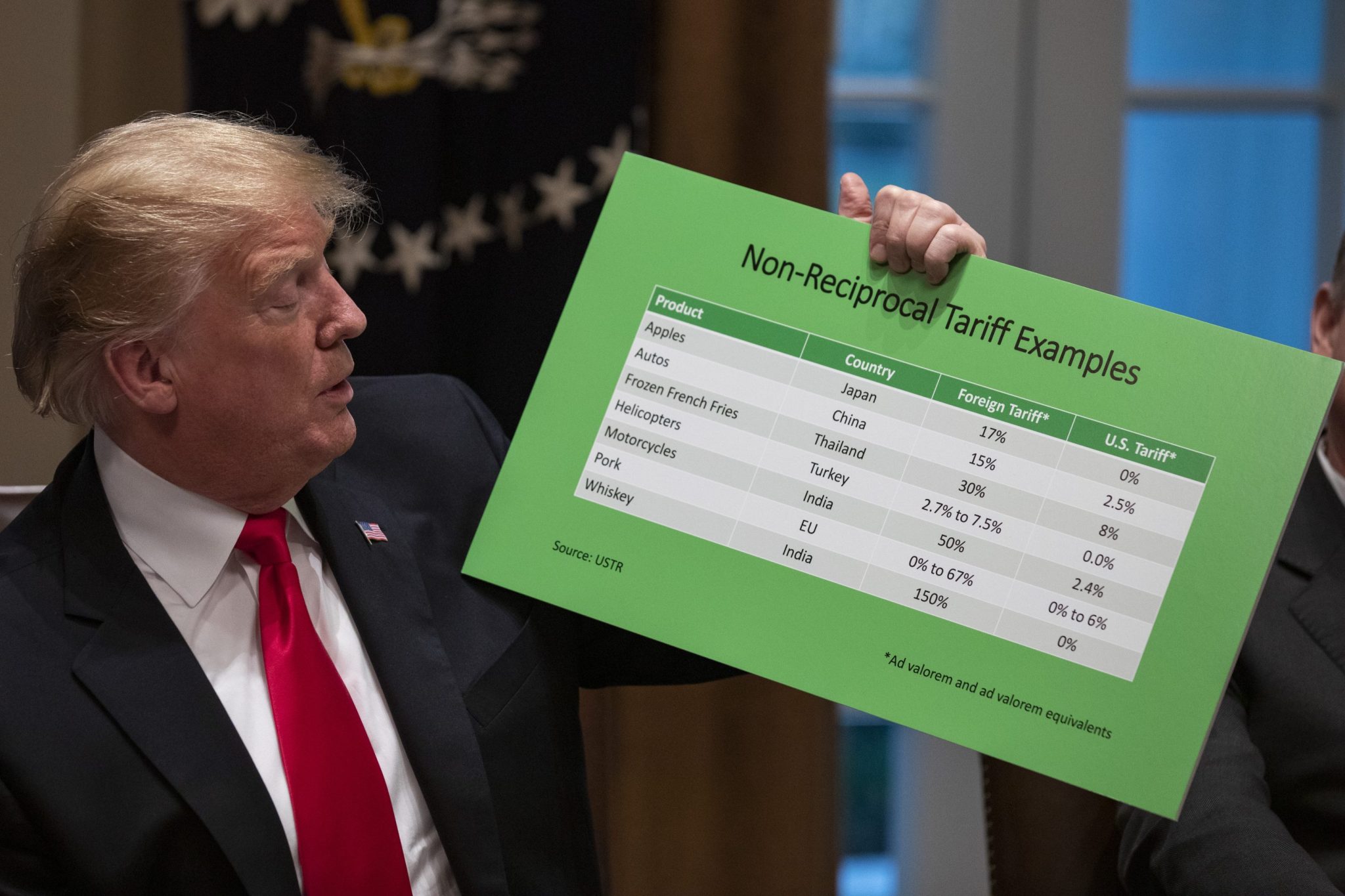
President Trump is pursuing a third legal route to keep broad tariffs in place after earlier efforts ran into a Supreme Court ruling and an approaching statutory deadline. A Fortune commentary argues the shift has added uncertainty for businesses and consumers while Trump faces political and foreign-policy pressure.
According to the commentary, Trump first used the International Emergency Economic Powers Act to impose so-called reciprocal tariffs after “Liberation Day.” Fortune said that approach relied on a formula released by the U.S. Trade Representative and was later invalidated by the Supreme Court as a basis for tariffs.
The White House then moved to a 10% universal baseline tariff under Section 122 of the Trade Act of 1974, Fortune reported. That authority gives presidents temporary power tied to balance-of-payments problems, but Fortune said it expires Friday, July 24.
The next route is Section 301, which allows trade action in response to unfair practices. Fortune, citing CNBC, said the administration is considering tariffs on as many as 60 countries, covering about 99% of U.S. trade, in response to alleged forced labor.
New tariff threats add to confusion
Fortune listed several tariff actions and threats from the past week. It said Trump imposed a 25% tariff on Brazilian imports, placed a 50% tariff on $20 billion in Canadian goods including autos and dairy, announced 100% tariffs on generic pharmaceuticals and floated 12.5% tariffs on 60 countries.
The commentary said the Canadian tariffs clashed with the U.S.-Mexico-Canada trade deal. It also said more tariff announcements were expected in the coming days, citing reporting from CNBC and the Financial Times.
Fortune framed the tariff push as part of a broader pattern of distraction by Trump during a period of damaging headlines. The commentary cited a Washington Post-Ipsos poll showing Trump’s approval rating at 37%, a renewed Iran conflict that it said has raised energy prices, and a Wall Street Journal report putting the military cost of that conflict at $40 billion.
Fortune also cited Time reporting that 17 U.S. service members have been killed and nearly 500 wounded in the Iran conflict. It pointed to public setbacks including boos at the World Cup and resistance from the European Union, the United Kingdom and Canada to Trump’s effort to acquire Greenland.
CEOs report higher costs
The commentary said tariffs remain attractive to Trump because they can be imposed unilaterally, create leverage in negotiations and give the White House a way to pressure countries into separate trade arrangements. It also said business leaders have been far less supportive of broad tariff use.
Fortune cited a Yale CEO Caucus survey in which more than two-thirds of CEOs said Trump’s tariffs had hurt their companies. In the same survey, 80% said at least some tariff costs had been passed to consumers, while 62% said they did not plan to increase manufacturing investment because of the tariffs.
The commentary said CEOs were not opposed to every tariff. Fortune reported that a majority of CEOs in the same survey supported targeted tariffs aimed at specific trade imbalances.
Fortune said some business leaders have praised U.S. Trade Representative Jamieson Greer for a more targeted approach, including arguments about barriers to U.S. dairy, auto and liquor exports. But the commentary argued that broader and shifting tariff threats have made planning harder for American companies.
On Canada, Fortune cited former Canadian finance minister Chrystia Freeland and surveys showing a sharp decline in Canadian views of the United States. The commentary said 73% of Canadians saw the U.S. as a friend in 2024, compared with 22% in 2026, and that 70% said they lacked confidence in Trump.
This story draws on original reporting from Fortune.