
Tel Aviv tops McMeal price ranking as Tokyo gets cheaper
Deutsche Bank says currency shifts helped push a McMeal to $20.90 in Tel Aviv and down to $4.90 in Tokyo.
By Daniel Okafor · Business Editor
4 min read
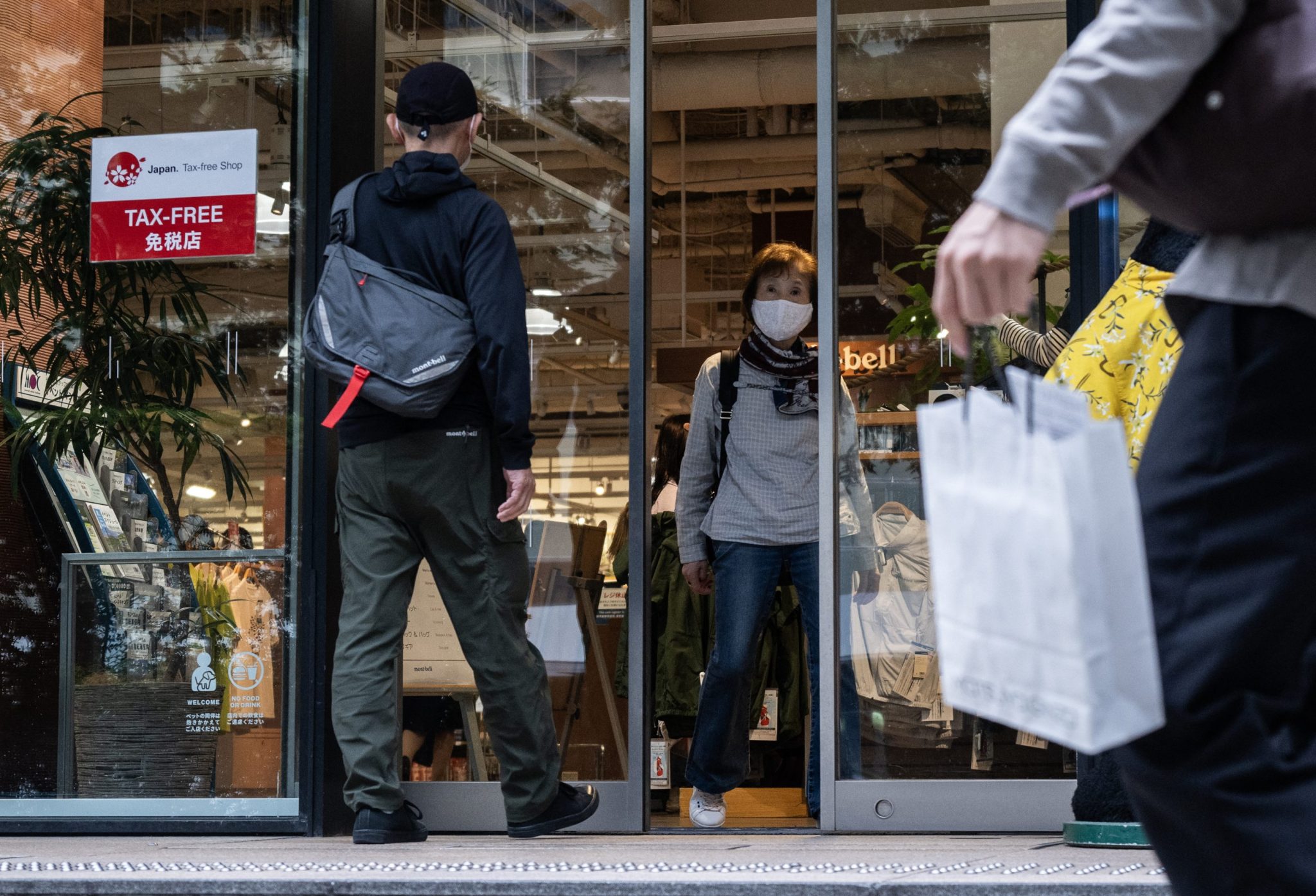
A McDonald’s combo meal now costs the equivalent of $20.90 in Tel Aviv, the highest price in Deutsche Bank’s global comparison, while the same item costs $4.90 in Tokyo. The gap shows how currency moves have reshaped daily costs in two cities that have moved in opposite directions.
Deutsche Bank’s report links Tel Aviv’s higher dollar-denominated prices to a stronger shekel and Tokyo’s lower prices to a weaker yen. The bank said Israel’s currency has been supported by domestic technology and defense activity, while Japan’s yen has been weighed down by years of ultra-loose monetary policy.
Tel Aviv’s costs rise with the shekel
Deutsche Bank said Tel Aviv was a mid-priced Mediterranean city about a decade ago but now ranks among the world’s most expensive urban markets. Since 2012, the bank said net salaries in the city have risen 137%, apartment prices 136% and the cost of dinner for two 122%.
Zvi Eckstein, a former Bank of Israel deputy governor who heads the Aaron Economic Policy Institute, told Fortune that Israel’s consumer basket has been expensive for years. He said the shekel’s strength raises prices when measured in dollars, though he pointed to domestic policy and supply limits as bigger drivers of Tel Aviv’s cost of living.
Deutsche Bank said the shekel has gained about 30% against the dollar, including 13% in the past year despite the Iran war. The bank’s researchers credited Israel’s technology and defense sectors, along with supply disruptions, for helping keep the currency elevated.
Eckstein told Fortune that Israelis historically held large shares of savings in foreign-currency assets, helping keep the shekel near 3.5 to 3.6 per dollar. In the past year, he said, Israel’s stock market rose about 50% while the S&P 500 climbed about 20%, prompting more Israeli investors to shift long-term holdings into shekel-denominated assets.
The boom has been uneven. Fortune reported that Israel’s GDP contracted 20% in late 2023 as the war in Gaza hit consumer spending and real estate investment.
Housing and food supply constraints have also added pressure, according to Eckstein. An IMF analysis said Israeli housing development is shaped by the Israel Land Authority’s control of more than 90% of the country’s land and by local governments’ preference for commercial projects over residential construction.
WTO data for 2025 showed Israel applied an average tariff of 7.5% on agricultural imports, compared with 0.1% on non-agricultural goods. The data showed dairy remained heavily protected, with an average tariff of 42%.
Deutsche Bank said a Tel Aviv McMeal has risen 71% since 2016, putting the city ahead of Zurich and Geneva on that measure. The bank also ranked Tel Aviv in the global top five for jeans and a summer dress, and second for gasoline and a new car; it tied a 27% one-year jump in gasoline prices to energy supply effects from the Iran war.
Tokyo becomes cheaper in dollar terms
Tokyo has moved the other way in Deutsche Bank’s pricing data. The bank said Japan’s relative price level for a comparable basket of goods in the United States was nearly twice as high in the mid-1990s, when everyday items in Tokyo were among the world’s most expensive.
Deutsche Bank said that index has fallen from 173 to 60, the sharpest repricing among developed economies it tracks. The yen has lost 51% against the dollar since 2012, according to the bank, as Japan’s central bank kept policy loose to fight persistent deflation.
The result is that Tokyo now looks inexpensive beside New York or Zurich, according to Deutsche Bank. The bank said a central Tokyo three-bedroom apartment rents for about one-quarter of the New York price, while dinner for two costs about one-third of the price in Zurich or New York.
Deutsche Bank also said Japan is now the cheapest market in its comparison to buy a new iPhone from an Apple Store. Fortune has reported that the weak yen helped make tourism Japan’s second-largest export, even as some residents have objected to overtourism.
The weak yen has not meant stronger pay for Tokyo workers in dollar terms. Deutsche Bank said net salaries in Tokyo have fallen 18% since 2016 and rank 39th among the 69 cities it tracks, below Madrid; the bank said a Zurich worker earns 3.5 times as much as a Tokyo worker.
Deutsche Bank said Japan’s aging and shrinking population could push faster use of AI to address labor shortages, especially in industries where the country has manufacturing and robotics expertise. The bank’s researchers wrote that aggressive AI adoption is becoming an economic necessity for Japan over the next two decades.
This story draws on original reporting from Fortune.