
SpaceX Tesla merger math has shifted after stock slides
Elon Musk kept the door open to a tie-up, but Fortune’s valuation math shows a SpaceX stock deal for Tesla now looks harder.
By Daniel Okafor · Business Editor
3 min read
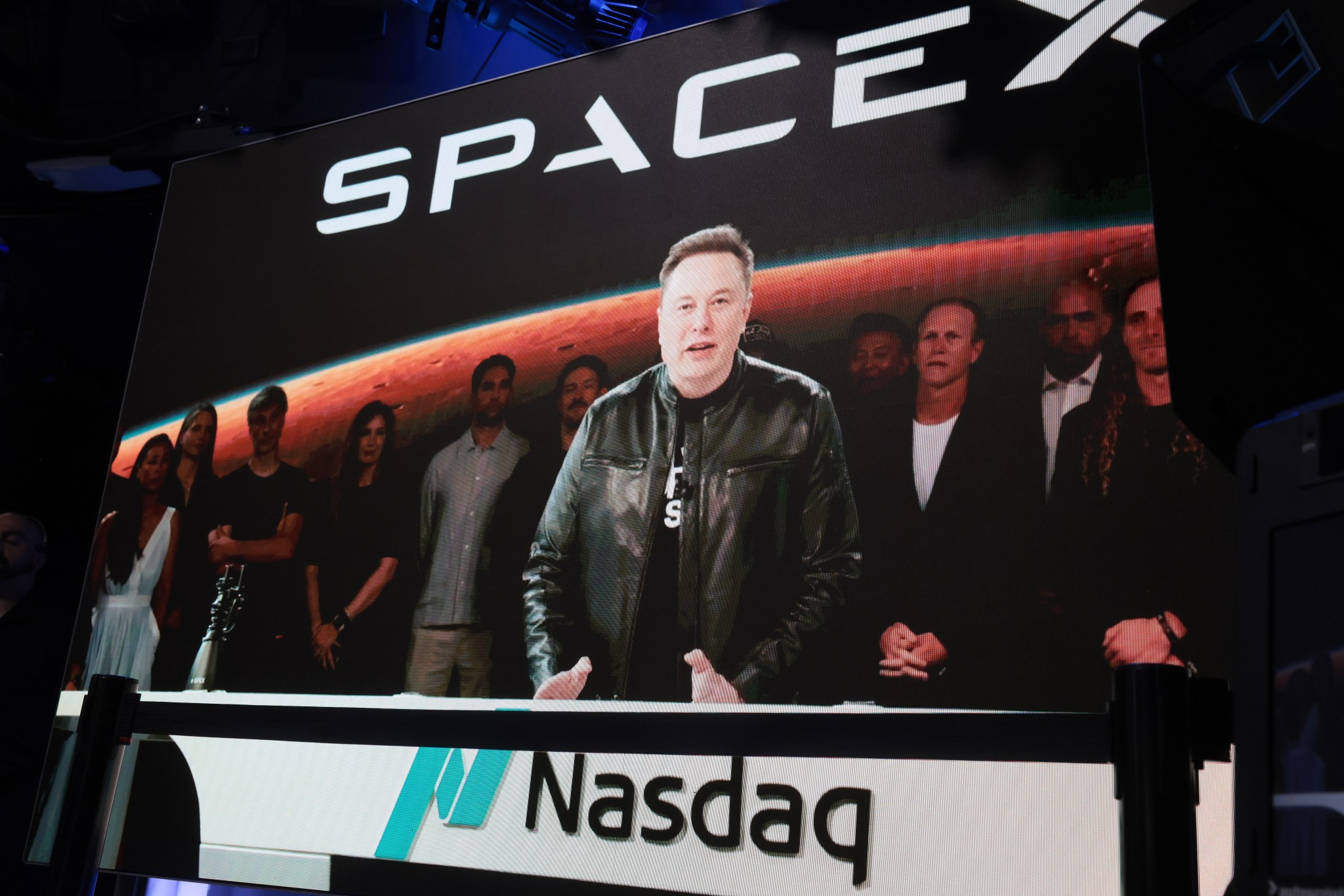
A SpaceX Tesla merger looked easier to finance in mid-July than it does now, according to Fortune’s review of recent market values. Elon Musk did not rule out combining his two largest companies on Tesla’s July 22 earnings call, but the stock math has moved sharply against a deal.
Asked by an analyst whether SpaceX planned to buy Tesla, Musk said, “We can’t talk about combining companies and things like that on an earnings call. It’s got to be done with the appropriate process.” He then pointed to several areas where the companies already work together or overlap, Fortune reported.
Will SpaceX buy Tesla?
Musk did not announce an offer or confirm that a transaction is under way. His answer left the possibility open, while making clear that any formal combination would need to follow a separate process rather than be discussed in detail during an earnings call.
Fortune reported that Musk cited the Digital Optimus “human office worker” project as a SpaceX-Tesla joint venture. He also said the project uses Grok, the chatbot developed by xAI, and that Starlink mobile and internet services are being integrated into Tesla vehicles.
Why did the SpaceX Tesla merger math change?
Fortune said the potential financing case looked much stronger after SpaceX’s June 12 IPO. SpaceX shares rose from a $135 offer price to $211 on July 16, giving the company a valuation of about $2.8 trillion, according to Fortune.
At that point, Tesla was valued at about $1.6 trillion, Fortune reported. If SpaceX used stock to buy Tesla and both companies’ prices stayed unchanged, SpaceX would have needed to issue new shares equal to about 57% of its existing share count, leaving current SpaceX investors with close to two-thirds of the combined company.
Analysts at the 15 firms that underwrote the SpaceX offering, including Goldman Sachs, Morgan Stanley and J.P. Morgan, expected the gain to hold, Fortune reported. Their average forecast put SpaceX shares near $225 over the next 12 to 18 months.
The picture changed after both stocks fell. By mid-afternoon on July 24, Tesla had dropped from $405 to $308, down 24%, while SpaceX had fallen from $211 to $113, down 46%, according to Fortune.
That left SpaceX with a market value of about $1.49 trillion and Tesla at about $1.22 trillion, Fortune reported. Under those prices, SpaceX would need to issue shares equal to about 82% of its current share count to buy Tesla, cutting existing SpaceX holders’ stake in the combined company to about 55%.
What would shareholders get in a deal?
Fortune argued that the lower SpaceX valuation makes an all-stock acquisition far less appealing for SpaceX investors. They would give up full ownership of SpaceX’s rocket and AI assets for a smaller majority stake in a combined company that also includes Tesla.
Fortune also said Tesla holders may not benefit if the new SpaceX shares came under pressure from the added share issuance. For now, the merger remains speculative: Musk described business overlap, but no company has announced a bid, terms or a timetable.
This story draws on original reporting from Fortune.