
SpaceX debut puts focus on patient bets in AI IPOs
Market pros told Fortune that investors chasing SpaceX, Anthropic and OpenAI should wait, study revenue and read IPO filings.
By Daniel Okafor · Business Editor
3 min read
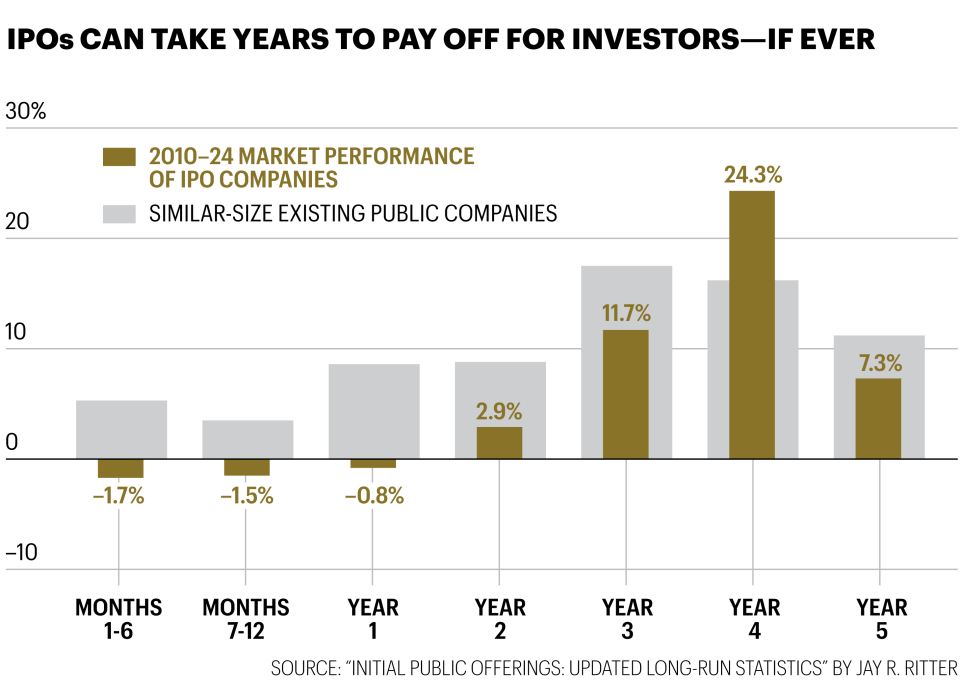
SpaceX’s June 12 market debut has intensified investor interest in other potential blockbuster listings, including Anthropic and OpenAI. Market professionals told Fortune that retail buyers tempted by the next high-profile IPO should treat early enthusiasm with caution and focus on valuation, revenue and company disclosures.
Financial adviser Jeff Barnett told Fortune that one client asked whether he had bought SpaceX shares for a portfolio after the company went public. Barnett said he had not because the stock did not meet the client’s preset standards for valuation and governance, though the client later asked to buy 10 shares as a small speculative position.
Fortune reported that investors have grouped SpaceX, Anthropic and OpenAI as a new “Magnificent Three,” with many buyers still thinking about Nvidia’s gains. According to Fortune, $10,000 invested in Nvidia 10 years earlier would be worth about $1.8 million today.
Early access can come at a steep price
SpaceX drew more than 500 million shares of first-day trading, Fortune reported, making it the second-busiest Nasdaq IPO debut by volume after Facebook’s 580 million shares in 2012. The company priced at $135, opened at $150 and closed its first session at $160.95, a 19% gain, according to Fortune.
Barnett told Fortune that investors should be wary when popular IPO shares are readily available, because earlier private-market buyers may have had better terms. Fortune reported that SpaceX’s early investors held 12.5 billion shares at an average cost of $6.48, while the IPO valued the company at $1.77 trillion.
That price implied about 95 times trailing annual sales, based on SpaceX’s 2025 revenue of $18.7 billion, Fortune reported. SpaceX later rose to $225 within days of the IPO before falling back to $160, according to Fortune.
IPO history favors patience
IPO researcher Jay Ritter’s data, cited by Fortune, shows the median IPO trades about 26% below its first-day closing price three years later. Fortune noted that some early standouts, including biotechs Abgenix and Enzo Biochem, posted large debut-era gains but did not become the long-term winners that later names such as Moderna did among life-science IPOs from 1980 to 2024.
Avery Marquez, director of investment strategies at Renaissance Capital, told Fortune that newly listed companies remain “unseasoned” for about three years. She said those early public years tend to bring volatility and change, creating possible entry points after initial demand fades.
Matt Witheiler of Wellington Management told Fortune that public investors can still benefit even when companies build substantial value before listing. He pointed to the growth in trillion-dollar public companies since Apple first crossed that mark in 2018; Fortune reported there were 16 such companies eight years later, with Nvidia moving toward $5 trillion.
Revenue and filings matter
Witheiler told Fortune that sales figures help separate durable businesses from promotional stories. Fortune reported that OpenAI’s annualized run rate had passed $25 billion by early 2026, while Anthropic had reached roughly $47 billion by May and had publicly guided to more than $50 billion.
Witheiler said those figures differ from the dotcom era, when some companies attracted investors without meaningful sales, according to Fortune. He also said investors should judge whether the market opportunity is large enough to support the valuation.
Marquez told Fortune that investors should read the S-1 prospectus filed with the Securities and Exchange Commission before buying a new issue. In SpaceX’s case, Fortune reported, the filing described Elon Musk’s voting control through Class B shares and details tied to a Mars-related pay package.
Bryan Wong, a portfolio manager at Osterweis Capital Management, told Fortune that investors can also look at infrastructure and tooling companies tied to major technology shifts. He said that broader set of businesses may offer more ways to find a long-term winner than trying to pick a single famous IPO.
This story draws on original reporting from Fortune.