
SpaceX’s AI compute rentals add new pillar to valuation case
Deals with Anthropic and Google could turn unused Colossus data-center capacity into a major revenue stream, according to Fortune.
By Daniel Okafor · Business Editor
3 min read
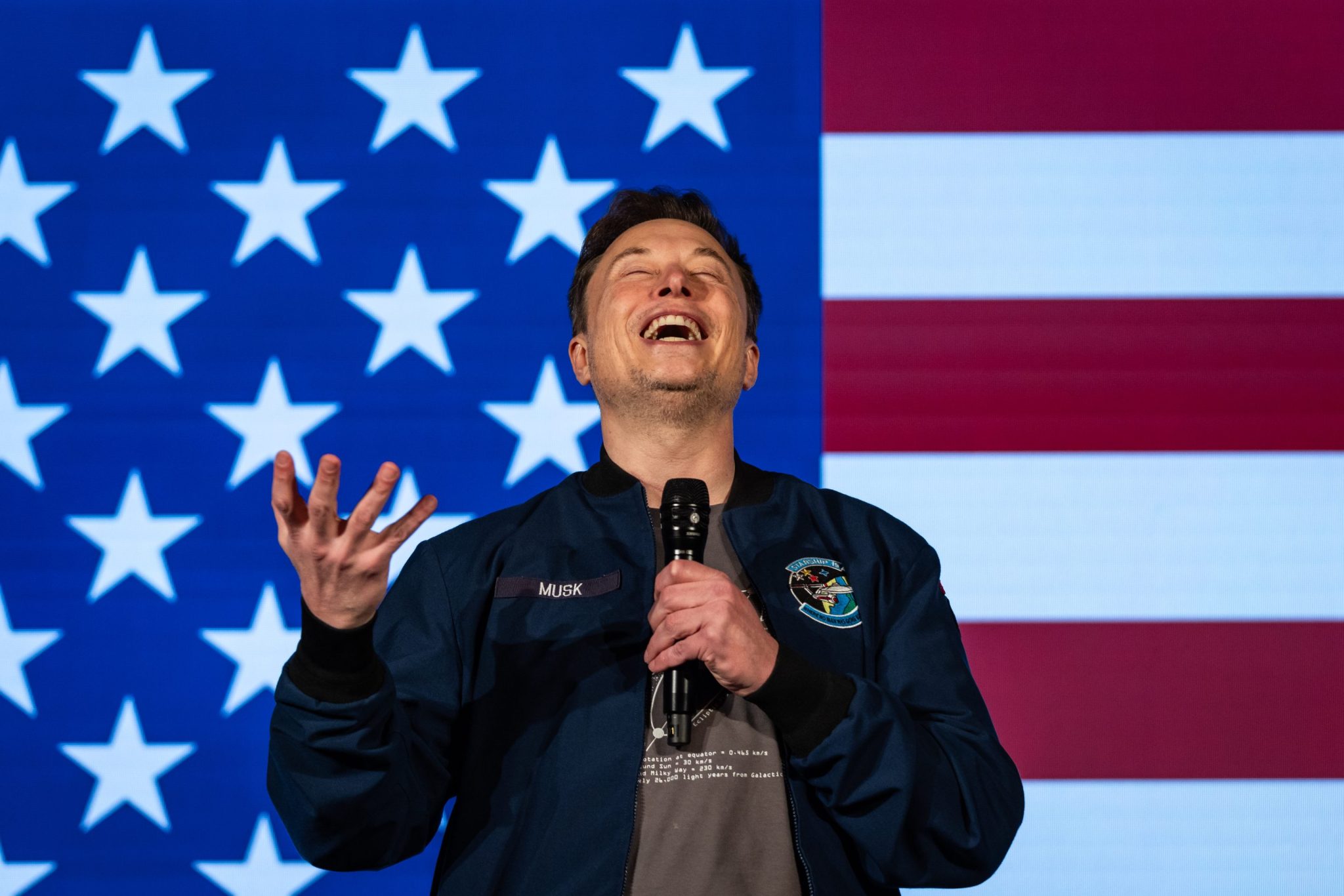
SpaceX is renting unused computing power from its Colossus data centers to major AI companies, opening a revenue line beyond rockets, satellites and Starlink. Fortune reported that the contracts could help explain how investors are valuing the company at $1.8 trillion after its IPO last month.
In May, SpaceX agreed to provide Anthropic with access to about 325,000 Nvidia GPUs at its Colossus sites for $1.25 billion a month, Fortune reported. The company later reached a similar arrangement with Google for roughly 110,000 GPUs at $920 million a month, according to the report.
Together, those two agreements could bring in about $26 billion a year, Fortune reported. That would exceed SpaceX’s total revenue last year, which Fortune put at $18.7 billion.
Sean Cray, a senior analyst covering telecom, media and technology at Moody’s, told Fortune that renting excess compute gives SpaceX near-term income from infrastructure it already owns. He said it also supports Elon Musk’s effort to present SpaceX as more than a launch company.
Most SpaceX revenue still comes from Starlink and launches, according to Fortune. The company generated $11.4 billion from connectivity services last year and about $4.1 billion from launches and related space work, while its AI business brought in $3.2 billion.
That AI segment also posted an operating loss of about $6.4 billion, Fortune reported. The report attributed part of the strain to Grok, the large language model tied to xAI, which requires large spending on GPUs, power and other systems and has trailed Anthropic and OpenAI models in revenue and capabilities.
Cray told Fortune the compute-rental deals show SpaceX’s AI business does not have to rely only on Grok or enterprise AI products to generate revenue. SpaceX can rent capacity externally, use it to train Grok, or put it toward Starlink’s internal needs, according to the report.
A flexible business with risks
Sridhar Tayur, a Carnegie Mellon University professor of operations management, told Fortune that the flexibility in the contracts may cut both ways. The agreements with Google and Anthropic include 90-day cancellation provisions that allow SpaceX to reclaim capacity if Grok requires more computing power, according to Fortune.
Tayur said the same terms could let customers leave if cheaper capacity becomes available. He told Fortune the key question is whether renting compute remains a side use of surplus infrastructure or becomes a lasting infrastructure-as-a-service business.
Other technology companies are also exploring similar arrangements. Reuters and The New York Times reported that Meta has discussed leasing computing power to Anthropic, with Reuters citing a potential value of up to $10 billion over two years.
SpaceX may also be seeking government customers. The Wall Street Journal reported Friday that the company was in talks to provide data-center capacity to the Pentagon for AI models in a deal that could be worth billions of dollars, though no final agreement had been reached.
Colossus underpins the strategy
Fortune reported that xAI brought its first large Colossus cluster online in 2024 by converting an existing factory in 122 days. The Memphis-area complex has since expanded to about 2 million square feet across Colossus and Colossus II, with about 1 gigawatt of compute power and plans to reach 1 million GPUs, according to the report.
The durability of the business will depend in part on whether AI compute remains scarce. Fortune noted that OpenAI and its partners are building U.S. data centers through the Stargate initiative, which could add supply over time.
For now, Cray told Fortune, major AI developers are still racing to secure computing capacity. That shortage gives SpaceX a way to earn billions from existing infrastructure while it pursues longer-term goals such as orbital data centers and Mars settlement.
This story draws on original reporting from Fortune.