
Southeast Asia crime networks expand reach through tech
A U.N. report says scams, trafficking and money laundering networks based in Southeast Asia are using AI, crypto and encrypted tools to operate worldwide.
By Daniel Okafor · Business Editor
3 min read
Criminal networks rooted in Southeast Asia are using artificial intelligence, encrypted communications and global financial channels to expand far beyond the region, the United Nations Office on Drugs and Crime said in a report released Tuesday. The agency said scams alone are expected to cause an estimated $88.3 billion to $114.1 billion in combined losses in 2025.
The UNODC report said organized crime that was once concentrated in Southeast Asia has spread into other regions, while criminal groups from abroad are taking a larger role in Asia-based drug, human and wildlife trafficking. It described a system in which technology, finance and logistics services help criminal groups run operations across borders.
Children face rising online risks
The report said children are under growing threat from AI tools and online platforms, including gaming and gambling sites. It said hundreds of scam compounds across Southeast Asia have become settings for sex trafficking and the sale of child sexual abuse material.
Inshik Sim, a UNODC researcher and coordinator for the report, told reporters at the Foreign Correspondents Club of Thailand that the agency had seen “a huge jump in AI-generated child sexual images” shared through encrypted platforms.
The report said East Asian crime syndicates are using malware, generative AI and deepfake technology for sexual extortion and exploitation. UNODC said those activities can increase the risk of in-person abuse, livestreamed abuse and online grooming.
UNODC said victims are also trafficked into domestic work, forced begging, forced labor and other forms of exploitation. The report cited surveys indicating that hundreds of children and teenagers in Southeast Asia are involved in online gambling, with some showing signs of addiction.
Drugs and smuggling routes widen
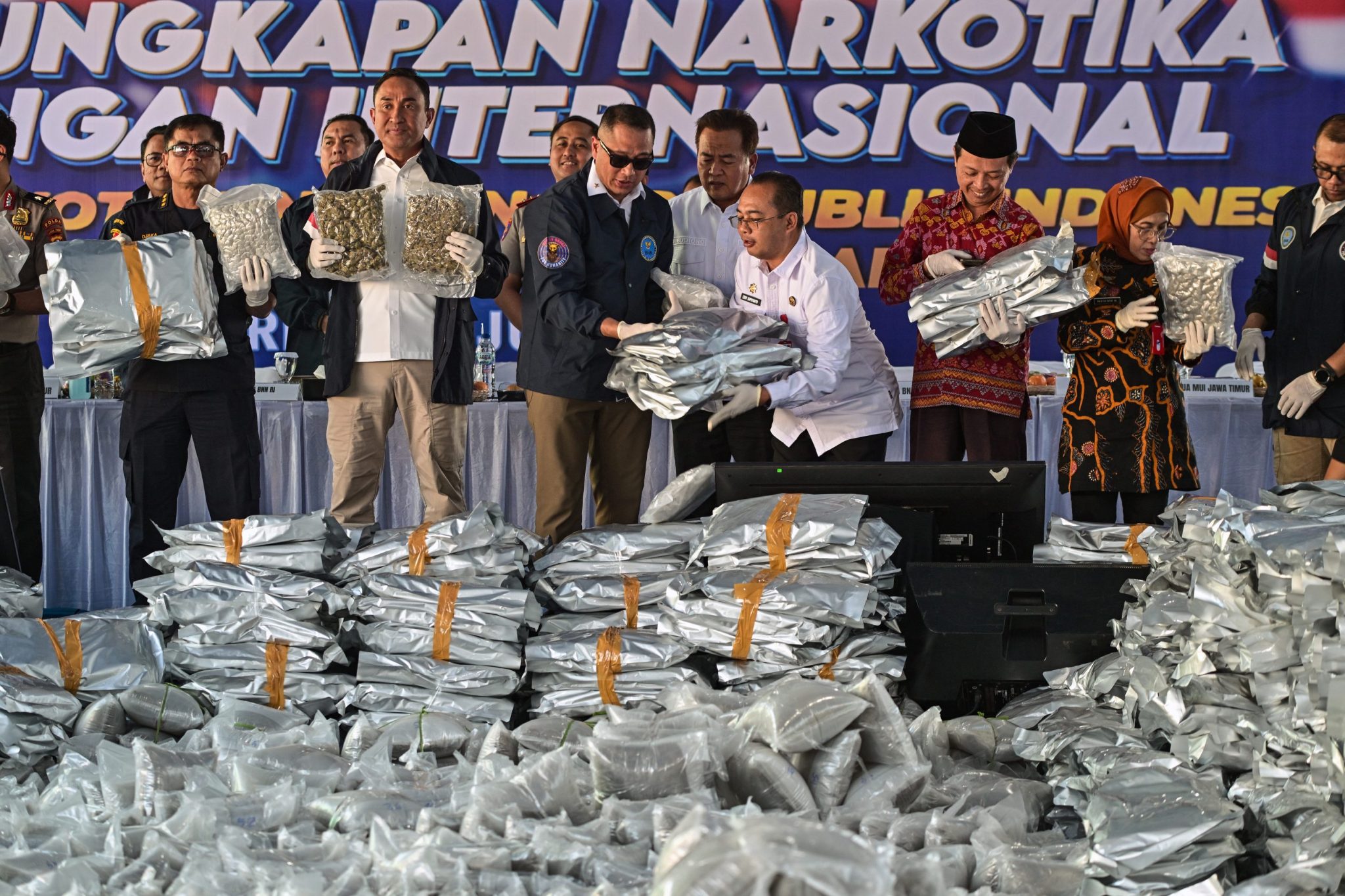
The UNODC estimated annual illicit drug sales in Southeast Asia and nearby countries at up to $109 billion. The report said seizures have risen sharply for methamphetamine, heroin and ketamine.
The agency identified the Sulu-Celebes maritime triangle, between Indonesia, Malaysia and the Philippines, as a growing route for cocaine shipments from Latin America to Asia. UNODC said traffickers sometimes hide illegal cargo inside lawful shipments, including Chinese tea.
The report said the same area is also used for wildlife and small-arms smuggling. UNODC also said Thailand and Vietnam are becoming more common sources of cannabis shipped to Japan, where it is illegal, and to Europe.
The report cited a seizure earlier this year in Malaysia’s Sabah state, where authorities confiscated more than 3 tons of methamphetamine, ketamine and ecstasy. UNODC described it as Sabah’s largest seizure of its kind to date.
AI, crypto and satellite links support operations
The UNODC said criminal groups rely on cryptocurrency, private messaging platforms and generative AI to move money and target victims. The report said AI is used to produce phishing messages, real-time deepfake video and voice calls, while translation tools allow scammers to contact victims in many languages at once.
The agency said satellite communications help scam compounds keep operating in remote areas or places under close surveillance. It called for a coordinated cross-border response that links enforcement work across data systems, communications networks, financial channels, online services and marketplaces.
UNODC officials said crackdowns in Thailand, China and elsewhere have pushed some scam operations out of large compounds in border areas of Myanmar, Laos and Cambodia. Seong Jae Shin, a UNODC analyst and counter-terrorism officer, said the raids did not end the activity.
“They were destroyed, but none of the operations stopped,” Shin said, according to the UNODC briefing. He said some scam centers shifted into villas and other properties, making them harder for Cambodian authorities to find and shut down.
This story draws on original reporting from Fortune.