
Ross says midterms leave Trump squeezed on Iran and gas prices
Trump’s former commerce secretary told Fortune that Iran, oil prices and the midterms have left the president with few easy choices.
By Daniel Okafor · Business Editor
3 min read
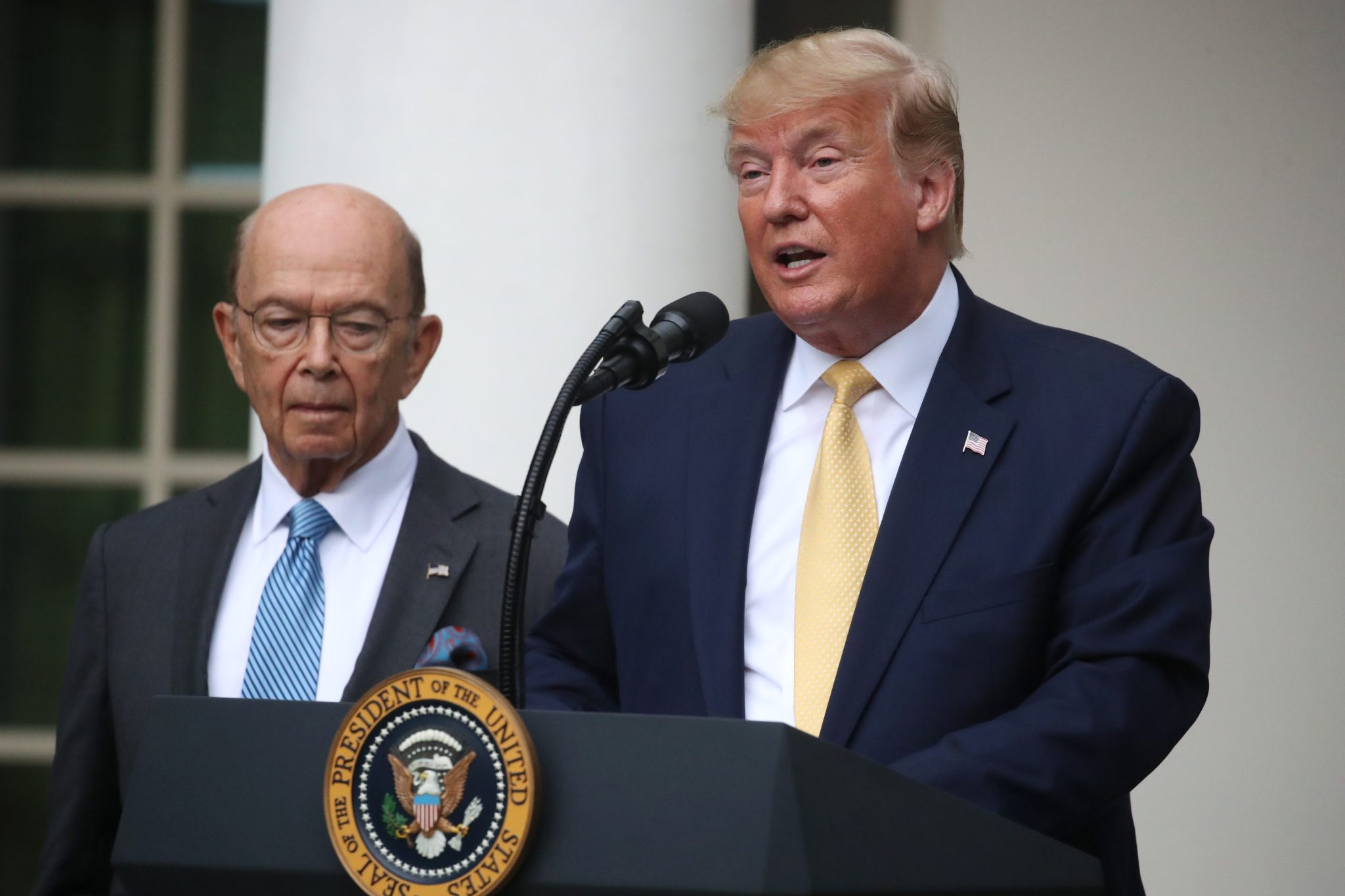
President Donald Trump is under rising political pressure to contain the fallout from the U.S.-Iran conflict before voters cast ballots in the midterms. Wilbur Ross, who served as Trump’s commerce secretary in his first administration, told Fortune that the president risks either anger over high fuel costs or criticism that he left the region without securing a workable outcome.
Ross said both Washington and Tehran understand the political calendar. In his view, Iran is trying to prolong the standoff in hopes that Trump emerges from the midterms with less power in Congress.
The conflict has damaged Iran’s military capacity and much of its economic infrastructure, according to Fortune. Ross told the publication that Iran’s air force, navy and air defenses no longer pose the same kind of military challenge, but he said the harder issue is whether the United States can secure terms around the Strait of Hormuz.
The Strait of Hormuz is central to the dispute because it is a major route for oil exports from the Persian Gulf. Fortune reported that some ships have been reluctant to use the waterway despite Trump’s position that the United States controls it, tightening supply while demand holds steady.
Fortune also reported that the Houthis in Yemen, which it described as acting on Iran’s behalf, have begun attacking ships in the Bab al-Mandab Strait on the other side of the Arabian Peninsula. Those pressures have added to concerns about global shipping and energy prices.
Oil prices and the midterm risk
Ross told Fortune that gasoline prices are the most immediate political danger for Trump. He said a return to $5-a-gallon gasoline would make the midterms difficult for the president, and he argued that losing both chambers of Congress could expose Trump to impeachment.
A divided result could also limit Trump’s freedom to conduct war, Ross said, particularly if Democrats win the House while Republicans retain the Senate. He said such a shift would change the balance of power in Washington as the conflict continues.
Ross also said a quick withdrawal may not solve Trump’s problem. If the United States leaves without a settlement over Hormuz and oil prices stay high, he told Fortune, Democrats would have an opening to argue that the war failed to deliver peace or cheaper energy.
He added that Iran would have little reason to ease restrictions immediately after a U.S. pullback. Ross said the midterms may be shaping Tehran’s calculations more than Washington’s.
Pressure on oil companies
Trump has also targeted oil companies over prices at the pump. In a Truth Social post cited by Fortune, he complained that gasoline prices were not falling in line with lower oil prices and said he had directed the Justice Department to examine the issue.
Ross told Fortune he expects Trump to keep pressing the industry on two fronts: gas station margins and production levels. He said pump prices often rise immediately after military action even though higher crude costs have not yet worked through the supply chain.
U.S. Energy Information Administration data cited by Fortune show domestic production averaging 13.8 million barrels a day in 2026, up slightly from 13.6 million barrels a day a year earlier. Ross said that modest increase leaves Trump with limited relief from domestic output as the midterm campaign approaches.
This story draws on original reporting from Fortune.