
RFK Jr. peptides push clears FDA adviser vote despite safety objections
FDA advisers backed easier pharmacy access to several injectable peptides, a nonbinding vote that aligns with Kennedy’s stated position.
By Daniel Okafor · Business Editor
3 min read
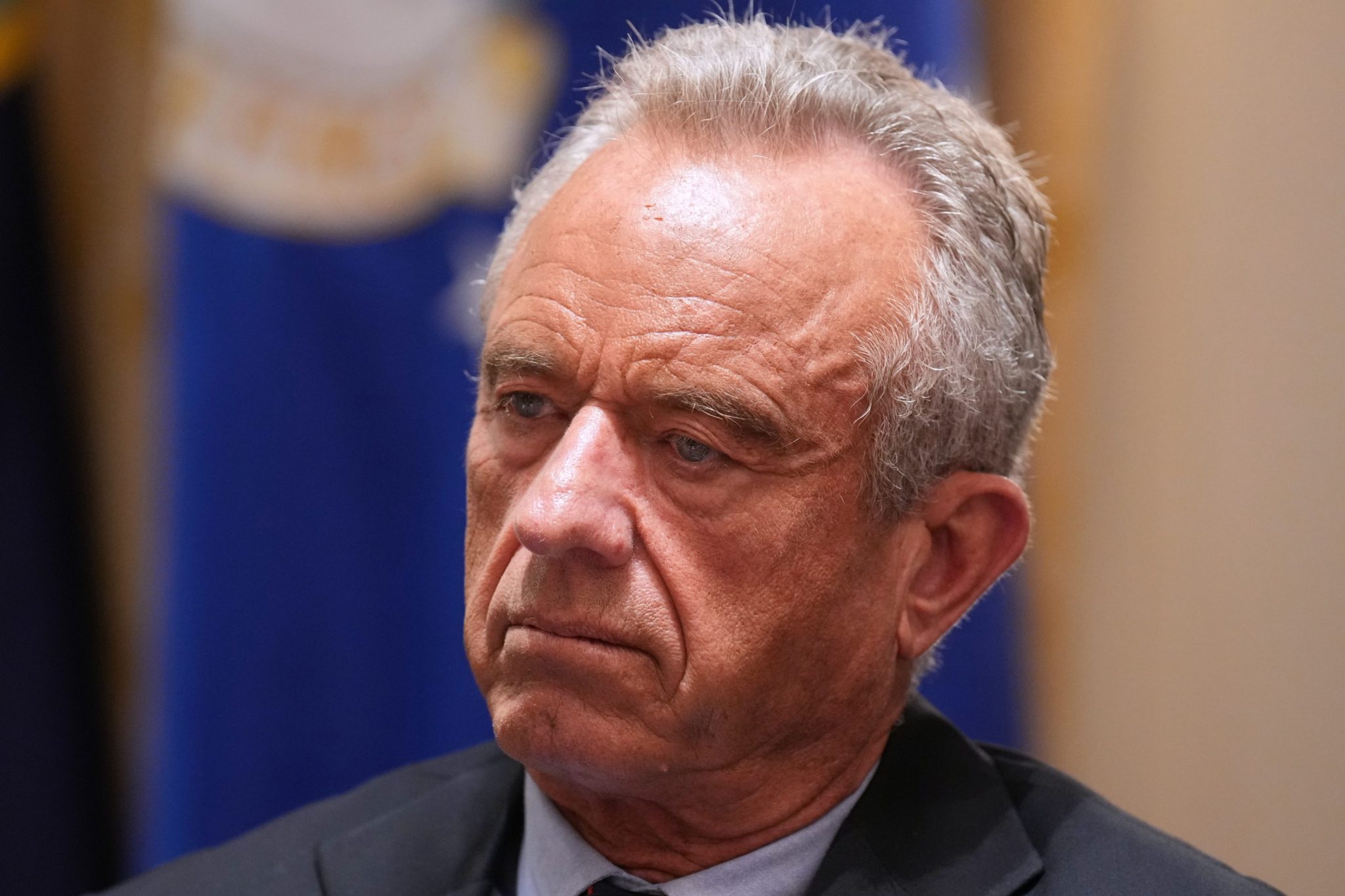
A federal advisory panel gave a narrow boost Thursday to the RFK Jr. peptides FDA effort, recommending that the agency ease limits on several injectable compounds popular in wellness circles. The vote matters because it could open the door for pharmacies and telehealth companies to sell more compounded versions of products that FDA scientists said lack strong evidence of safety or benefit.
In a set of votes, outside advisers to the Food and Drug Administration supported removing current barriers that prevent pharmacies from compounding injectable peptides including BPC-157, TB-500 and KPV. The panel voted 8-6, with one abstention, to put the substances on the FDA’s list of ingredients considered safe for compounding, according to the vote tally described by the Associated Press.
The recommendation is not binding. The FDA generally follows advisory panel recommendations, but it must still review the votes, discussion and public comments before deciding what to do with each peptide.
What does the FDA peptide vote mean?
If the FDA accepts the recommendation, pharmacies could gain more room to produce injectable versions of the peptides for patients. The Associated Press reported that telehealth companies would be expected to expand marketing for wellness and cosmetic uses if the agency eases access.
A formal move to add the substances to the FDA compounding list would require rulemaking, a process that can take months or years. FDA watchers told the AP that the agency could instead issue a temporary policy signaling that pharmacies would not be targeted while the review continues.
The outcome would advance a position publicly supported by Health Secretary Robert F. Kennedy Jr., who has called himself a “big fan” of peptides and said he wanted to reverse restrictions imposed under President Joe Biden. Kennedy announced earlier this year that BPC-157 and TB-500 would be removed from a list of substances considered too risky for pharmacy compounding.
FDA scientists warned evidence is thin
FDA staff scientists gave the peptides critical reviews before the vote. They said there was limited evidence that BPC-157, TB-500 and similar compounds can be used safely for medical purposes.
The agency’s review found little support for proposed medical uses such as ulcerative colitis, wound healing and opioid addiction. FDA staff said five BPC-157 studies were short, small and appeared to test exploratory doses. For TB-500, regulators said they did not find human studies using the compound.
Russell Wesdyk, an associate director in the FDA’s drug center, said the agency also faced a basic identification problem because TB-500 is not recognized in the United States as an official pharmaceutical ingredient. He said the name lacks a legal meaning, making it unclear what substance is being discussed.
Some panel members objected to the recommendation. Dr. Elizabeth Rebello of the University of Texas MD Anderson Center said she was concerned the panel was reacting to market demand rather than firm scientific evidence.
Why peptides are controversial
Peptides are components of larger proteins and can trigger hormones involved in growth, metabolism and healing. Some peptide-based drugs have been approved and are used in major treatments, including medicines for diabetes and weight loss.
Many peptides sold online are promoted for uses that have not been proven, including injury recovery, muscle growth, skin rejuvenation and energy. Medical experts cited by the AP described the market as poorly regulated and warned of possible harms such as infection and allergic reactions.
Supporters urged the panel to allow wider pharmacy access during public comment sessions. Brigham Buhler, a wellness clinic owner whose clients include Joe Rogan and other celebrities, argued that U.S. compounding would steer people away from unvetted foreign products.
The advisory panel is scheduled to consider three more peptides Friday. Nathan Beaver, an attorney who works on FDA issues, told the AP he expects the process is likely to end with the result Kennedy wants.
This story draws on original reporting from Fortune.