
Polymarket fake-trade claims put spotlight on regulator appetite
A Wall Street Journal report alleged staged influencer bets; lawyers told Fortune federal action may be possible but unlikely under Trump.
By Sofia Marchetti · World Affairs Correspondent
3 min read
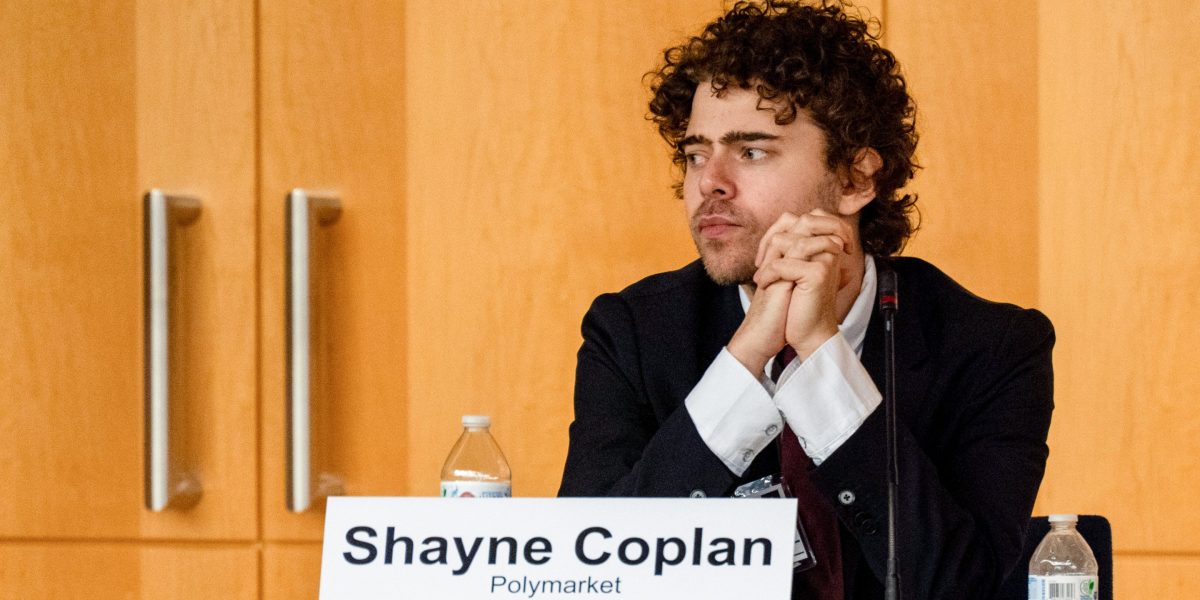
Polymarket is facing allegations that it used influencers to stage bets and fake winnings, drawing fresh scrutiny to how prediction markets advertise to U.S. users. The question for the $9 billion company is whether federal regulators will pursue the matter after a recent shift in Washington’s approach to crypto and prediction markets.
The Wall Street Journal reported that Polymarket asked creators with U.S. audiences to present trades and winnings that were not genuine as part of a marketing effort. Fortune reported that Polymarket had been barred from operating in the United States since 2022 before receiving a Commodity Futures Trading Commission license in January.
Polymarket said in a statement to Fortune that it is reviewing its promotional practices. The company said it is auditing active marketing content to check that it meets company standards and applicable disclosure and legal requirements.
Where regulators could focus
Steven Lofchie, a Norton Rose Fulbright partner who works on securities and commodities law, told Fortune that two federal agencies could have grounds to examine different parts of the alleged conduct. He said the CFTC could look at whether Polymarket tried to reach U.S. customers without the required registration, while the Federal Trade Commission could examine influencer marketing practices.
Lofchie told Fortune the FTC may have a more straightforward case than the CFTC if the issue centers on misleading promotional content. The FTC polices deceptive advertising and disclosure failures, while the CFTC regulates prediction markets and other derivatives-related activity.
Fortune reported that neither the CFTC nor the FTC immediately responded to requests for comment. No federal enforcement action was reported in connection with the allegations.
Why action may be limited
Daniel Wallach, a gaming attorney and sports-betting legal specialist at Wallach Legal, told Fortune that he doubts the Trump administration will bring significant regulatory pressure against Polymarket. Wallach said the CFTC has moved away from an enforcement-first posture and is aligned with prediction market exchanges.
The New York Times reported that the CFTC under President Donald Trump has lost about a quarter of its workforce and removed career officials who had pursued scrutiny of crypto companies and prediction markets. Fortune also reported that the agency’s sole chairman, Michael Selig, previously represented crypto and prediction-market companies as a corporate lawyer and later led the SEC’s crypto task force.
Wallach pointed to the CFTC’s reduced staffing and its single sitting commissioner as reasons he is doubtful the agency would impose serious consequences, according to Fortune. He said private civil litigation from bettors who claim they relied on misleading marketing may be a more likely path for legal fallout.
Fortune also reported connections between the Trump family and the prediction-market industry. Donald Trump Jr. is a paid adviser to Kalshi, a Polymarket rival, and is a major Polymarket investor through 1789 Capital, the venture capital firm where he is a partner.
The allegations arrive as prediction markets attract rising volumes. Fortune reported that billions of dollars in new bets have moved through platforms including Polymarket and Kalshi, making regulatory oversight a growing issue for a sector that has expanded quickly around politics, sports and other event contracts.
This story draws on original reporting from Fortune.